 By
By
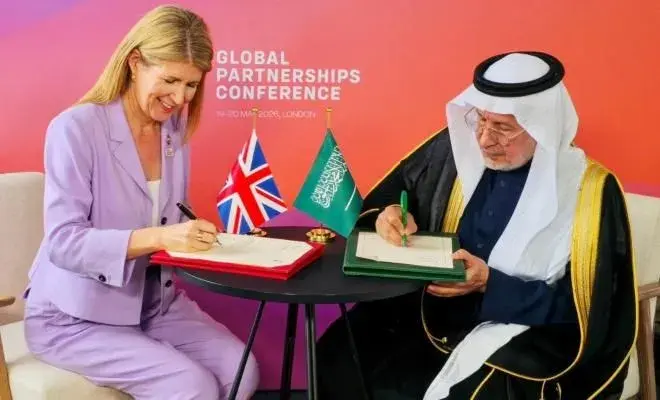
Eqwal Group has expanded its international patient care network into the United Arab Emirates through the integration of OrthoMENA, marking a significant move into Dubai and the wider Middle East rehabilitation market.
The announcement, made in an Eqwal press release dated 18 May 2026, confirms the integration of two UAE entities: OrthoMENA Medical and Surgical Equipment Trading LLC and OrthoMENA Prosthetics & Orthotics Centre LLC. Eqwal says the transaction expands its Patient Care division into a new region while building on local expertise, advanced technologies and clinical infrastructure in the UAE.
For the IMEA region, the development is notable because it brings one of Europe’s major orthopaedic, prosthetic and patient care groups into a strategically important Middle Eastern healthcare hub. Dubai already serves as a regional centre for specialist healthcare, medical trade, rehabilitation technology and cross-border patient access. Eqwal’s move into the emirate signals further consolidation and professionalisation in the region’s orthotics and prosthetics sector.
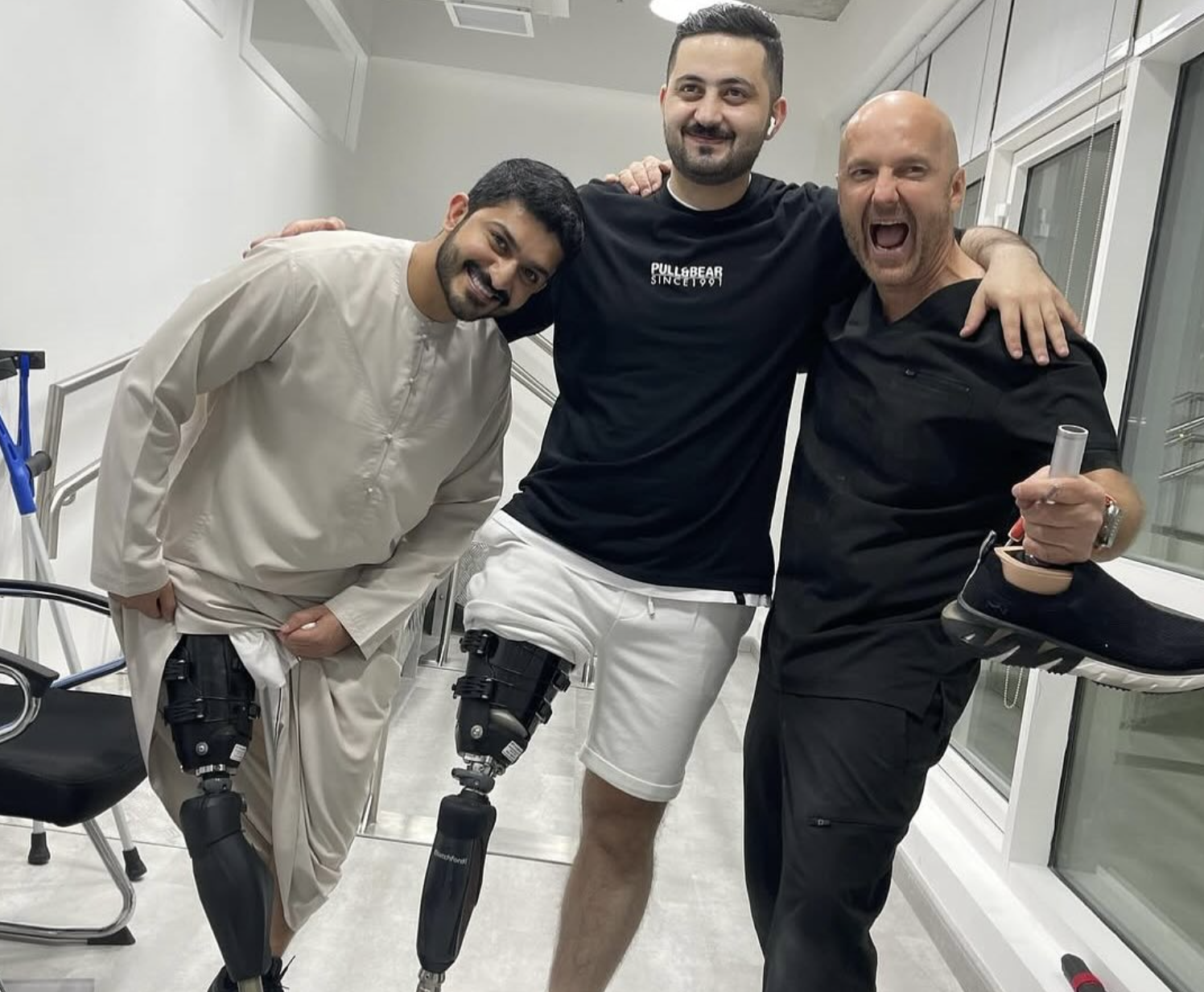
According to the press release, OrthoMENA Medical and Surgical Equipment Trading LLC provides orthopaedic, prosthetic and mobility solutions to clinics, hospitals and healthcare providers across the Middle East and North Africa. OrthoMENA Prosthetics & Orthotics Centre LLC delivers clinical care through a licensed healthcare facility, offering patient-centred services tailored to individual needs and focused on independence.
OrthoMENA is led by Charles Stenger, Founder and Chief Prosthetics Officer, who brings more than 20 years of regional experience in orthotics and prosthetics. The organisation operates both a regional headquarters and a medical centre in Dubai and employs 21 staff members, according to Eqwal’s announcement.
Eqwal CEO Jean-Pierre Mahé described the integration as an important milestone for the group’s Patient Care division. He said OrthoMENA’s ambition is aligned with Eqwal’s values, including a patient-centred approach, advanced technology, on-site manufacturing and a commitment to clinical and industrial excellence.
The integration is also consistent with Eqwal’s broader international strategy. Eqwal describes itself as a global player in custom orthopaedic prosthetics, with expertise across Patient Care, Digital, and Components and Products divisions. Its Patient Care division designs and manufactures custom external orthopaedic devices adapted to individual patient needs. Eqwal’s website also highlights its digital tools and component manufacturing activities for the orthopaedic sector.
For OrthoMENA, the partnership creates an opportunity to connect local Middle Eastern expertise with a larger global platform. OrthoMENA’s own materials describe a Dubai-based model that combines clinical care, technical manufacturing and medical device provision under one roof, serving both patients and healthcare partners across the MENA region. The centre lists services across prosthetics, paediatric orthotics, cranial remoulding orthotics, custom insoles, scoliosis bracing, mobility and seating, rehabilitation medical equipment, exoskeletal robotics, functional electrical stimulation and diabetic footwear.
This integrated model is particularly relevant for the Middle East. Many regional healthcare systems are seeking to improve access to specialist rehabilitation while also building local capacity in fabrication, clinical training, procurement and long-term follow-up. Dubai’s role as a medical and logistics hub makes it a natural location for an O&P organisation serving both patients and professional partners across the region.
The announcement also reflects a wider trend in orthotics and prosthetics: the convergence of clinical care, distribution, digital workflows and on-site manufacturing. OrthoMENA’s website highlights technologies including 3D scanning, CAD/CAM, 3D printing, pressure mapping, gait analysis, custom silicone and prepreg carbon socket fabrication, as well as partnerships with global device manufacturers.
For patients, this matters because effective prosthetic and orthotic care depends on more than device supply. High-quality outcomes require assessment, prescription, design, fitting, training, adjustment, follow-up and maintenance. A regional centre that combines clinical care with manufacturing and distribution can potentially reduce delays, improve device customisation and strengthen continuity of care.
For clinics and healthcare providers, the Eqwal-OrthoMENA integration could also improve access to components, central fabrication, digital services and clinical training. OrthoMENA positions its trade division as a B2B partner for orthotic, prosthetic, podiatry and rehabilitation providers, offering components, fabrication services, digital workflows and hands-on clinical support.
The move may also have implications for O&P workforce development in the region. As demand grows for advanced prosthetics, paediatric orthotics, scoliosis bracing, diabetic foot solutions, mobility systems and robotic rehabilitation, the need for trained clinicians and technicians will increase. Organisations that combine service delivery with training, quality systems and manufacturing infrastructure could help raise standards across regional practice.
For IMEA CPO readers, Eqwal’s entry into Dubai is significant for several reasons:
- It brings a major international O&P and orthopaedic device group into the UAE market.
- It recognises Dubai as a regional hub for prosthetic, orthotic and rehabilitation services.
- It strengthens the connection between patient care, distribution, digital workflows and fabrication.
- It highlights the growing importance of locally based expertise within global O&P networks.
- It may support wider access to advanced components, clinical training and service models across MENA.
The integration should be watched closely by O&P clinicians, suppliers, hospital groups and rehabilitation providers across the Middle East. As the region’s rehabilitation needs grow, particularly in areas such as diabetes, trauma, paediatrics, neurological impairment and complex mobility care, organisations capable of combining clinical excellence with reliable supply and modern fabrication may become increasingly important.
Eqwal’s Dubai move is therefore more than a corporate expansion. It reflects the changing structure of the orthotics and prosthetics sector in the IMEA region, where patient care, manufacturing, technology and regional distribution are becoming more closely connected.
- Eqwal press release PDF on the integration of OrthoMENA
- Eqwal news article on establishing a presence in Dubai
- Eqwal Group official website
- OrthoMENA official website
- OrthoMENA about page
- OrthoMENA clinical team page
- World Health Organization standards for prosthetics and orthotics
- International Society for Prosthetics and Orthotics standards resources