 By
By
The Gaza Sunbirds, Palestine’s para-cycling team, are rebuilding their future from Cairo, where several amputee athletes evacuated from Gaza are training after recovering from life-changing injuries in Egyptian hospitals.
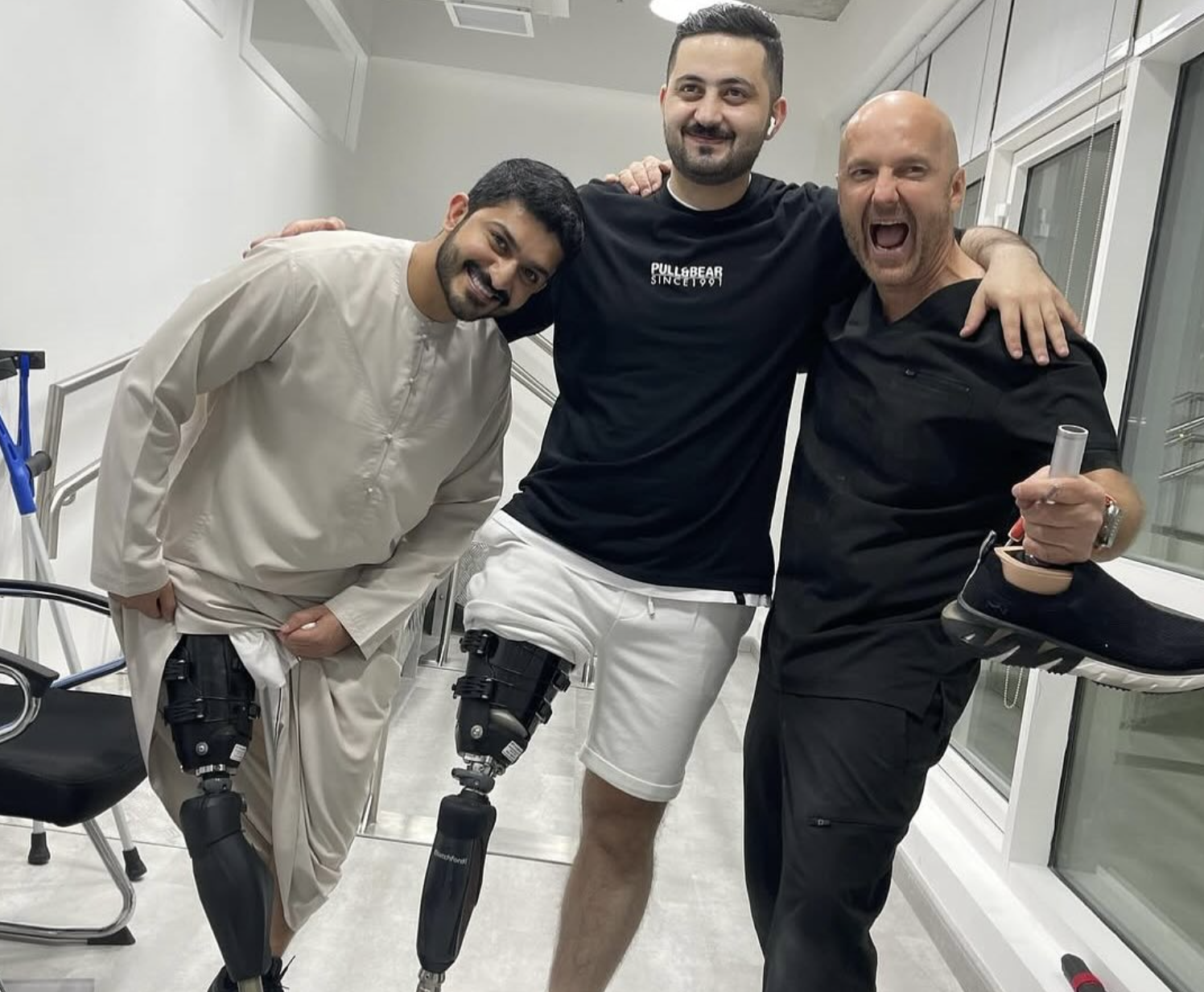
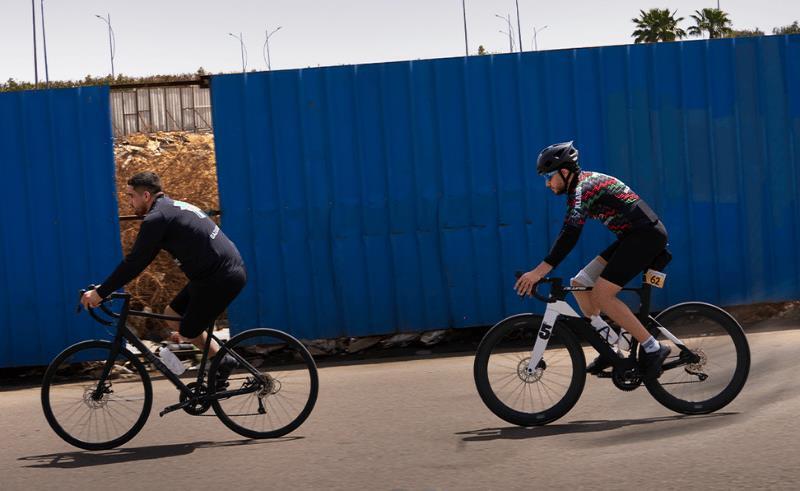
A feature published by CairoScene follows three men who met Gaza Sunbirds captain and coach Hassan Harb, known as Captain Abu Ali, after their amputations. Now, with crutches, prostheses and bicycles, they are training with the ambition of representing Palestine at the 2028 Paralympics.
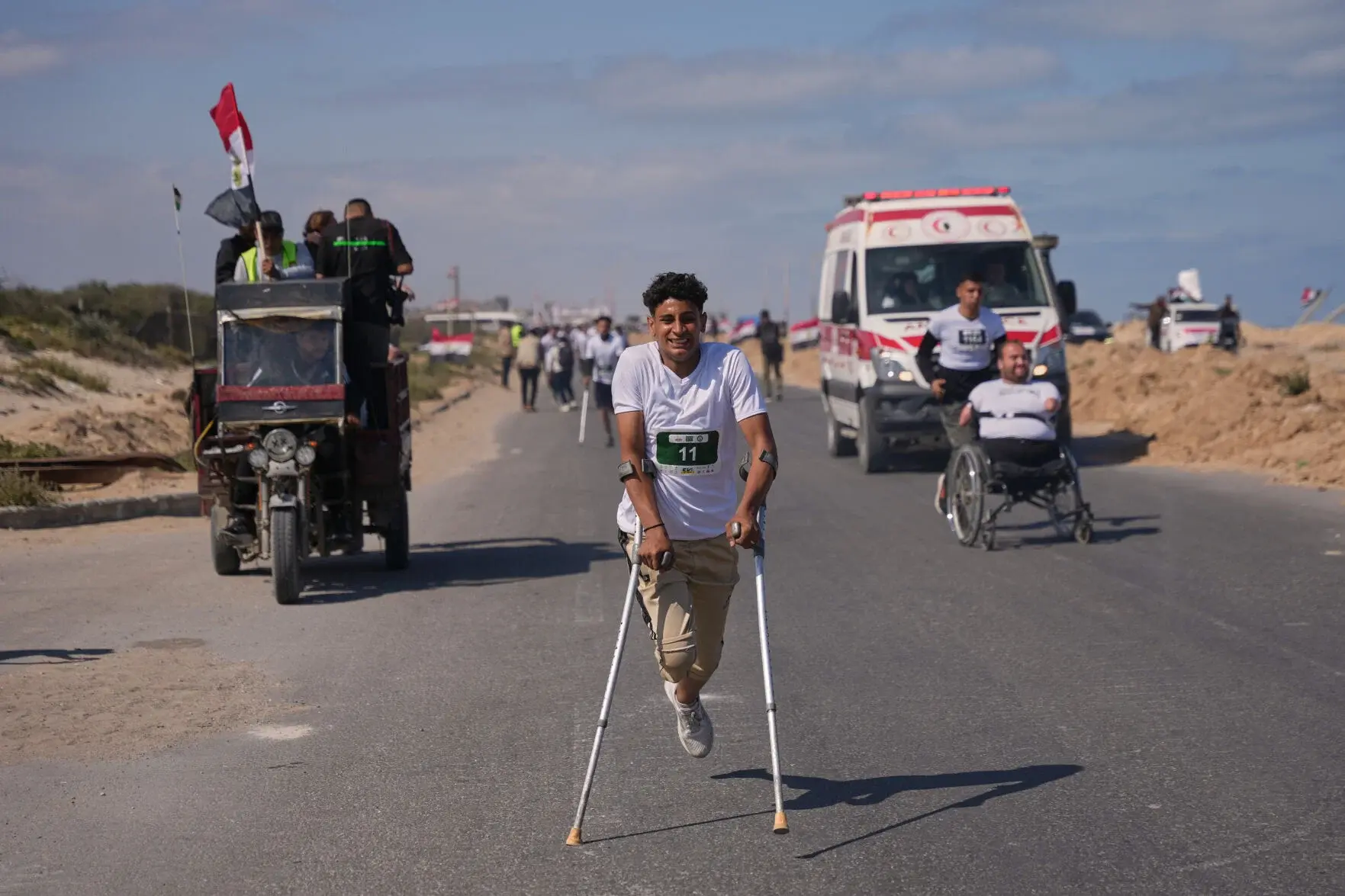
The story is not only about sport. For the orthotics, prosthetics and rehabilitation community, it is a powerful example of how mobility, identity and mental health can be rebuilt after traumatic limb loss — even in the context of war, displacement and disrupted healthcare.
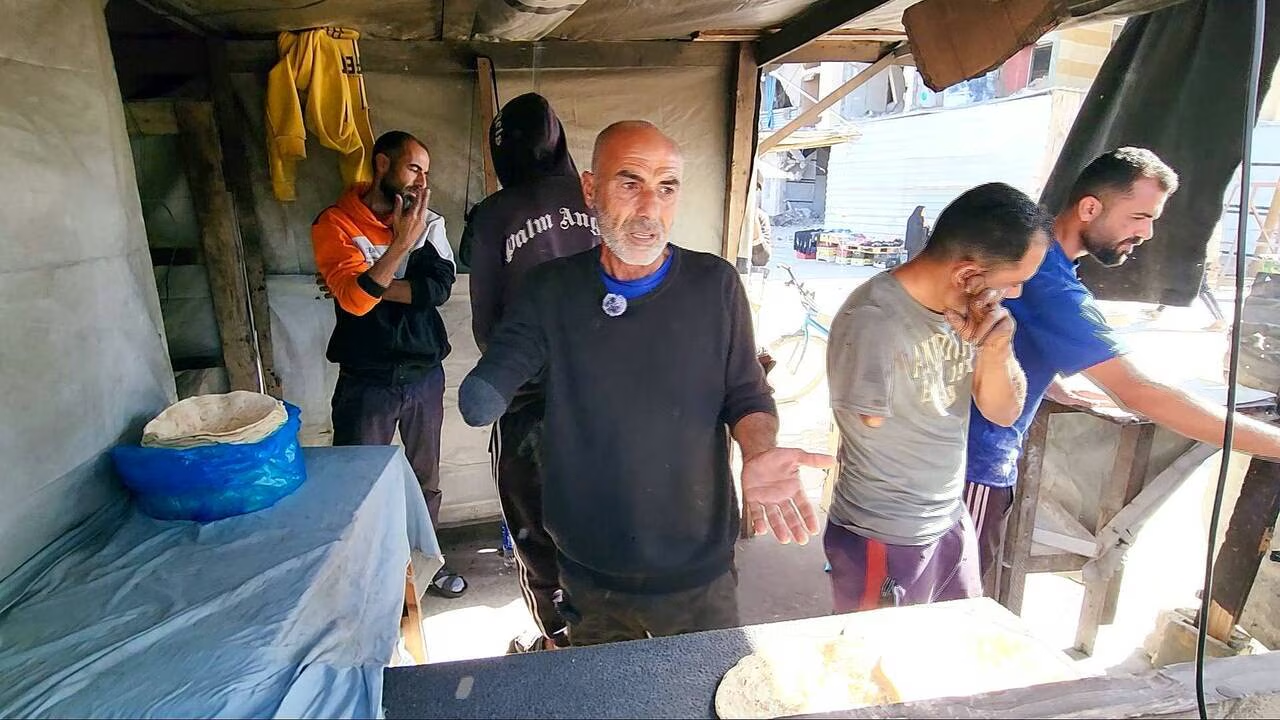
According to the CairoScene report, health organisations in Gaza have recorded more than 6,000 amputations since October 2023. The article also describes Gaza as having the highest number of child amputees per capita in the world, reflecting the extraordinary burden of traumatic limb loss now facing Palestinian families, hospitals and rehabilitation providers.
The Gaza Sunbirds began in Gaza in 2020 with seven riders. The first was Alaa Al-Dali, an elite cyclist who lost his leg after being shot during the Great March of Return protests in 2018. Before his injury, Captain Abu Ali had already been his coach. After two years of training Alaa as an amputee cyclist, they opened the team to other injured young men, creating what became Gaza’s para-cycling movement. By the time the war began, the team had grown to 25 players.
The team is now scattered. Some athletes are in Gaza, some are in Egypt, and others have trained abroad. Cairo has become an important temporary centre for part of the team because many injured Palestinians have been evacuated to Egyptian hospitals for treatment. Captain Abu Ali told CairoScene that the Sunbirds have been able to reach some of the hundreds of amputees who have left Gaza, helping them become active again physically and mentally.
That point matters deeply for rehabilitation. After amputation, recovery is not only surgical. It includes wound healing, residual limb care, pain management, prosthetic fitting, gait training, balance, strength, cardiovascular fitness, psychological recovery and social reintegration. Adaptive sport can support many of these goals, giving amputees a structured path back into movement and community.
For Gaza’s amputees, the barriers are immense. Many have lost homes, family members, income, schools, workplaces and access to medical follow-up. Prosthetic care is difficult in any conflict setting, but Gaza’s situation is especially severe because rehabilitation services, supply chains and hospital systems have been repeatedly disrupted. In this context, the Gaza Sunbirds represent a rare and visible example of resilience through organised adaptive sport.
The team’s role has also expanded beyond competition. The Gaza Sunbirds official website describes an international movement built around cycling, solidarity rides, fundraising and support for displaced families and disability rehabilitation. Since the war began, the team has become both a para-sport organisation and a humanitarian symbol.
For IMEA CPO readers, the story raises an important question: how can rehabilitation systems better support amputees after emergency care? A prosthesis alone is not enough. Many people need long-term training, peer support, counselling, follow-up adjustments and opportunities to return to meaningful activity. Para-sport can be one of the most powerful routes into that next stage of recovery.
The Gaza Sunbirds also show why peer-led rehabilitation matters. A newly injured amputee may find hope more easily when meeting someone who has already adapted to limb loss, returned to sport and rebuilt confidence. In Cairo, Captain Abu Ali and the Sunbirds are not only coaching cyclists. They are showing newly injured Palestinians that amputation does not have to mean the end of movement, ambition or identity.
For prosthetists and rehabilitation teams, cycling also presents specific clinical opportunities. It can help improve cardiovascular fitness, residual limb tolerance, balance, strength and confidence. However, it also requires careful attention to socket fit, suspension, skin integrity, alignment, prosthetic knee or foot function, and safe adaptation to the bicycle. The right prosthetic interface can make the difference between pain and participation.
The story also highlights the importance of access to sports prosthetics and adaptive equipment. Many amputees in conflict settings struggle to obtain even basic functional prostheses. Access to higher-performance devices, cycling adaptations or sport-specific components is far more limited. If the Gaza Sunbirds are to develop into a sustainable para-cycling programme, they will need not only athletes and coaches, but prosthetic support, equipment maintenance, funding and safe training environments.
For the wider IMEA region, the lessons are clear:
- Amputee rehabilitation should include sport, recreation and community participation, not only basic walking.
- Peer-led programmes can help newly injured amputees rebuild confidence and identity.
- Prosthetic services must support long-term activity goals, including adaptive sport where appropriate.
- Conflict-related amputees need coordinated medical, prosthetic, psychological and social support.
- Regional sports bodies, NGOs and rehabilitation providers should work together to expand para-sport pathways.
The Gaza Sunbirds’ ambition to reach the 2028 Paralympics is therefore more than an athletic goal. It is a statement that Palestinian amputees should be seen not only as patients or victims, but as athletes, leaders and representatives of their community.
Their training in Cairo also reminds the rehabilitation sector that recovery after limb loss is not complete when the wound closes or the prosthesis is delivered. Recovery continues when a person returns to movement, purpose, social connection and self-belief.
For Gaza’s injured civilians, that pathway remains extremely fragile. But the Gaza Sunbirds show what is possible when prosthetic rehabilitation, adaptive sport and collective identity come together. In a region facing growing trauma, displacement and disability, their story is one of the clearest examples of rehabilitation as freedom.
- Original CairoScene article on Gaza Sunbirds in Cairo
- SceneNow version of the Gaza Sunbirds Cairo feature
- Gaza Sunbirds official website
- Gaza Sunbirds Instagram
- Service95 interview with Gaza Sunbirds
- World Health Organization rehabilitation overview
- WHO standards for prosthetics and orthotics
- International Paralympic Committee official website