 By
By
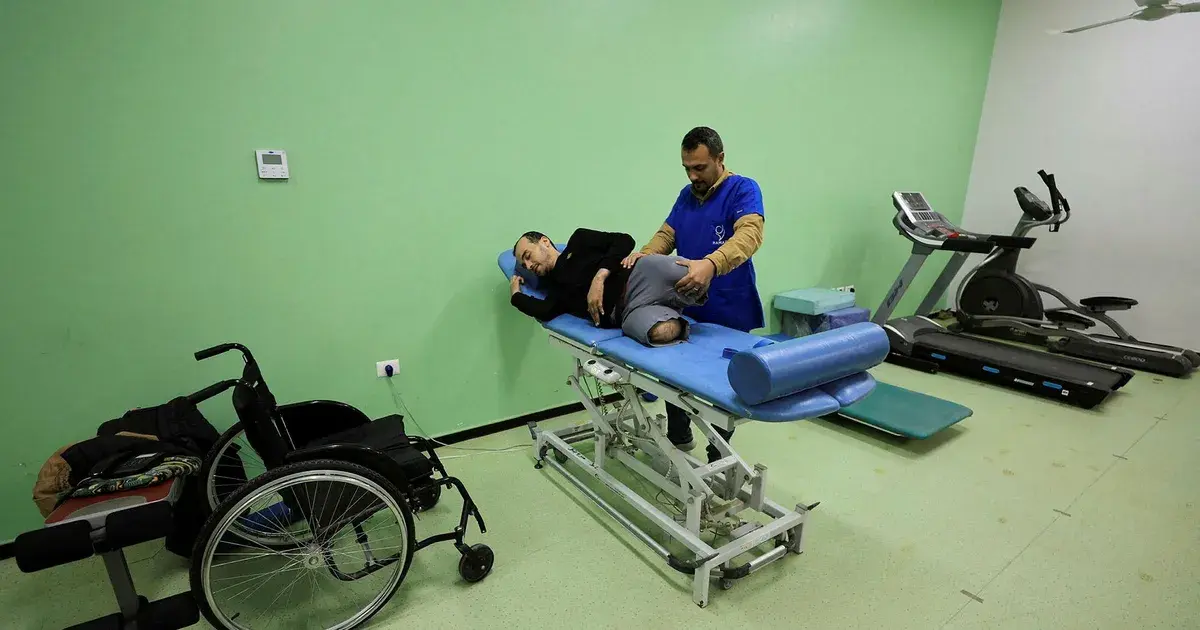
The World Health Organization has warned that hospitals in Gaza remain under severe pressure as essential medical items, including prosthetics, oxygen equipment and laboratory supplies, continue to face restrictions on entry. The warning highlights not only an emergency medical shortage, but a deepening rehabilitation and assistive technology crisis for people injured during the war.
According to The Siasat Daily, WHO says only about half of Gaza’s hospitals are partially operational, while none are functioning at full capacity. The organisation has also documented 22 attacks affecting healthcare facilities in Gaza during 2026, further weakening an already fragile health system.
Dr Reinhilde Van de Weerdt, WHO’s representative in the occupied Palestinian territory, said restrictions on items classified by Israel as “dual-use” materials continue to hinder the entry of critical equipment. These include laboratory tools, oxygen concentrators and a field hospital awaiting entry from Jordan, according to a report carried by Qatar News Agency.
For the orthotics and prosthetics community, the inclusion of prosthetic components and assistive technologies in the list of restricted or delayed medical items is especially alarming. Gaza has one of the world’s most urgent rehabilitation needs, with thousands of people living with traumatic injury, limb loss, burns, spinal cord injury and complex war wounds. When prosthetic limbs, orthotic components, mobility aids and rehabilitation supplies cannot enter, the effect is not administrative delay — it is a direct barrier to recovery, mobility and dignity.
Hospitals and rehabilitation teams in Gaza are already working in extremely constrained conditions. The WHO warning comes amid continuing shortages of medicines, surgical materials, trauma supplies, fuel and functioning equipment. Earlier this year, Reuters reported that WHO had described medical stocks in Gaza as critically low, with essential items such as gauze, needles and trauma supplies in shortage, while fuel shortages were further disrupting hospital operations.
The public health risks are also increasing. WHO has raised concerns about overcrowding, damaged sanitation systems, limited clean water and the lack of laboratory equipment needed to detect infectious diseases and monitor potential outbreaks. Without testing materials and diagnostic capacity, hospitals are less able to identify disease trends early or prevent infections from spreading among displaced and injured populations.
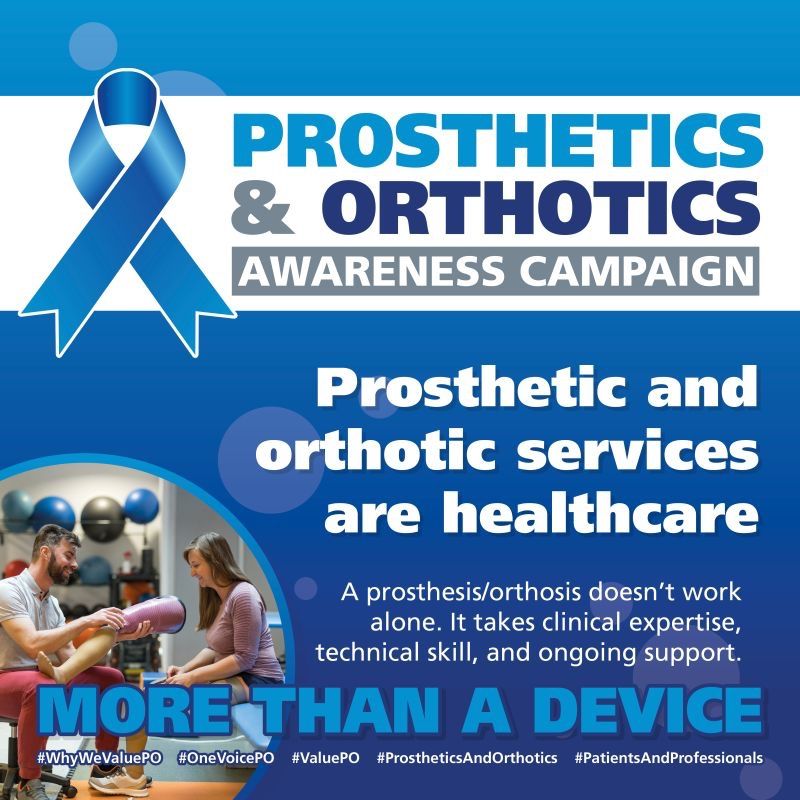
For amputees and people with limb difference, the current situation is particularly serious. A prosthetic limb is not a single item that can be handed over once. It requires clinical assessment, fitting, alignment, socket modification, gait training, repair and long-term follow-up. Children need regular replacement as they grow. Adults may need new sockets as residual limb volume changes. People with complex injuries may require staged rehabilitation over months or years.
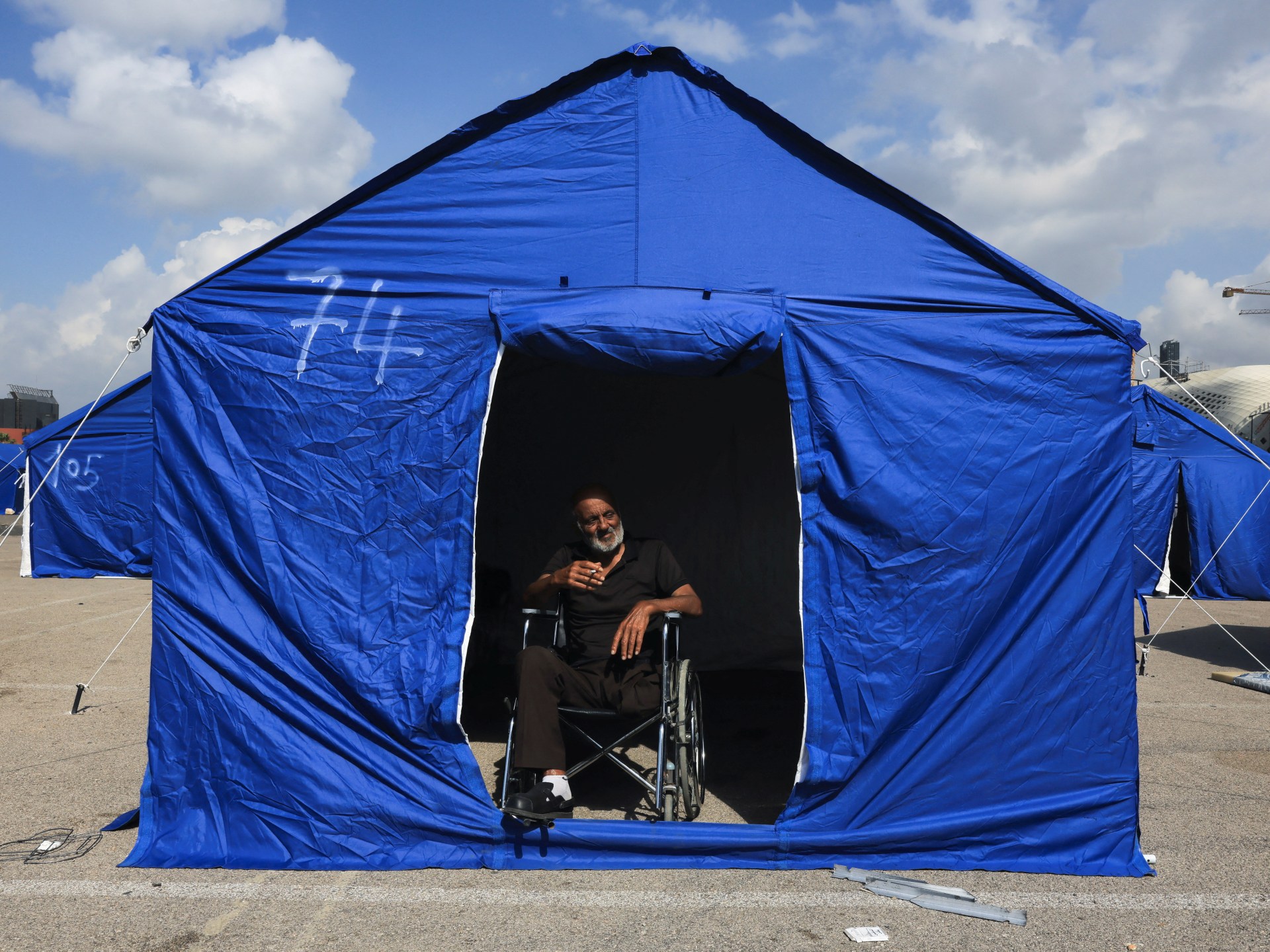
When prosthetics and rehabilitation materials are blocked, delayed or underfunded, the consequences include prolonged immobility, higher dependency, preventable complications, pain, skin breakdown, contractures and loss of independence. In a displacement setting, these risks become even more severe because shelter conditions, nutrition, hygiene and transport are already compromised.
The situation also affects oxygen-dependent patients, trauma patients and surgical services. Oxygen concentrators are essential for emergency care, intensive care, post-operative recovery and chronic respiratory conditions. Laboratory equipment is equally essential for infection control, blood testing, disease surveillance and safe clinical decision-making. A hospital cannot function properly if it lacks the basic tools required to diagnose, stabilise and treat patients.
Medical humanitarian organisations have repeatedly warned that supply restrictions are worsening Gaza’s healthcare collapse. In April 2026, Médecins Sans Frontières said Israeli entry restrictions had caused critical shortages of medical supplies and that MSF had been unable to bring supplies into Gaza since 1 January 2026.
The crisis also raises a wider question for the IMEA rehabilitation sector: how should rehabilitation and assistive technology be protected during conflict? Emergency response often focuses on trauma surgery, food, water and shelter. These are essential. But without rehabilitation, survivors of blast injury, amputation and spinal trauma may remain disabled by conditions that could have been improved with timely clinical care, mobility devices and assistive technology.
For Gaza, this means humanitarian access must include:
- Prosthetic and orthotic components
- Mobility aids, including crutches, walkers and wheelchairs
- Oxygen equipment and respiratory support devices
- Laboratory and diagnostic supplies
- Wound care, liners, socks and socket materials
- Rehabilitation consumables and therapy equipment
- Safe referral pathways for surgery, rehabilitation and long-term follow-up
The WHO warning should therefore be understood as more than a hospital supply update. It is a warning that Gaza’s pathway from survival to recovery is being obstructed. For injured civilians, especially amputees and people with complex disabilities, the denial or delay of rehabilitation-related supplies can determine whether they regain mobility or remain dependent.
For the global orthotics and prosthetics community, Gaza remains a defining test of whether rehabilitation is treated as essential healthcare in conflict. Prosthetics, orthotics, oxygen systems, diagnostics and mobility aids are not optional extras. They are life-preserving and dignity-preserving technologies — and they must be allowed to reach the patients and clinicians who need them.
- Original Siasat article
- Qatar News Agency report on WHO warning
- Reuters report on critically low medical stocks in Gaza
- Médecins Sans Frontières report on Gaza medical supply restrictions
- WHO occupied Palestinian territory emergency updates
- WHO rehabilitation in emergencies guidance
- UN OCHA occupied Palestinian territory updates