

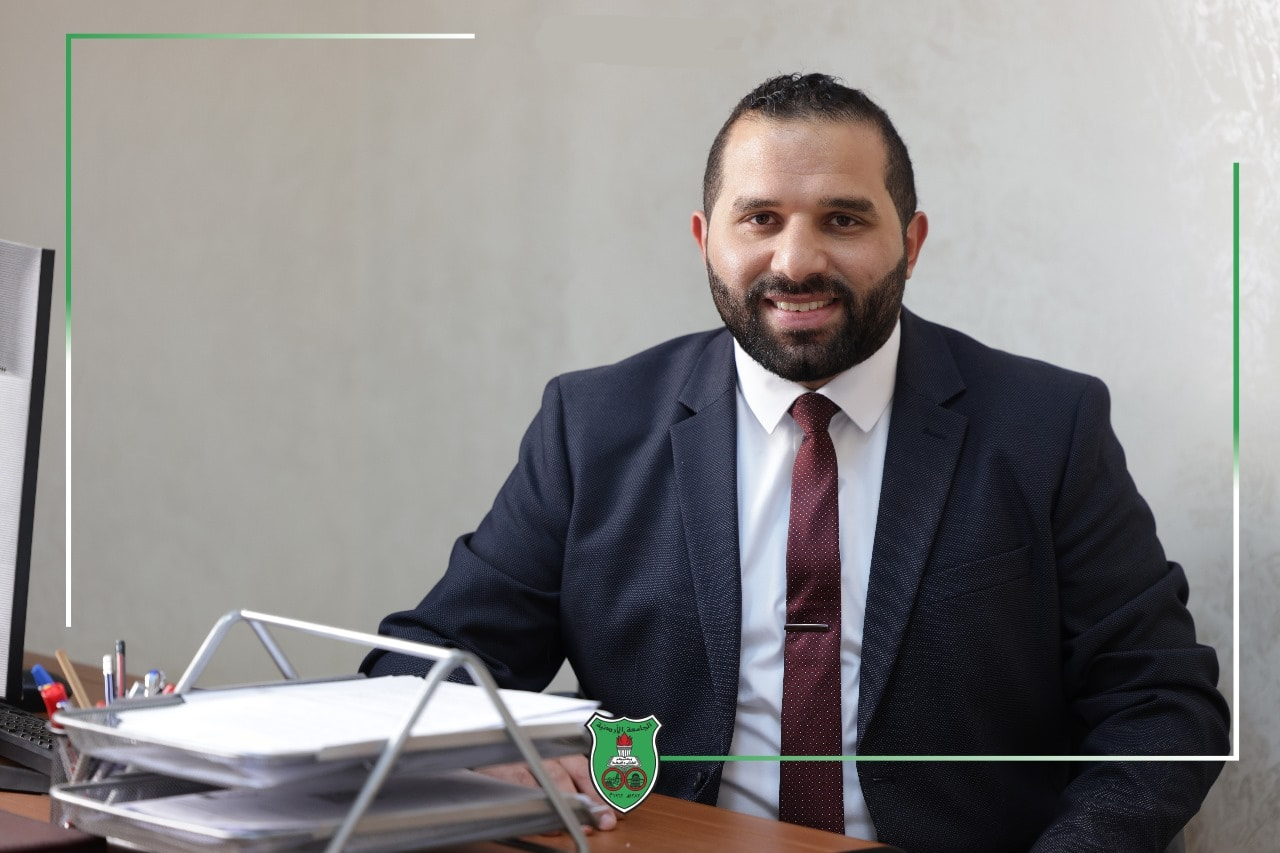
Name: Dr Mahmoud Alfatafta
Role: Associate Professor and Head of the Department of Prosthetics and Orthotics
Institution: The University of Jordan
Country: Jordan
Years in O&P: 14 years
Clinical and Teaching Focus: Prosthetics, orthotics, clinical education, biomechanics, quality of rehabilitation services, and workforce development.
Main Areas of Interest: Prosthetics and orthotics education, rehabilitation service quality, clinical competence, digital health, and professional development.
Section A: Background and Leadership
1. What first drew you into prosthetics, orthotics, or rehabilitation?
What attracted me to prosthetics and orthotics was the direct impact the profession has on people’s lives. Restoring mobility, independence, and quality of life is something very powerful. I was also interested in the combination of healthcare, engineering, and patient-centered practice that makes our profession unique.
2. What does your current role involve day to day?
My role includes teaching undergraduate students, supervising clinical training, supporting research activities, developing the curriculum, and managing departmental responsibilities. I also work closely with healthcare institutions, international organizations, and professional bodies to strengthen education and clinical services.
3. How would you describe the mission of your department or programme?
Our mission is to prepare competent prosthetists and orthotists who can provide safe, evidence-based, and patient-centered care. We also aim to strengthen rehabilitation services by producing graduates who are ready to meet the changing needs of healthcare systems in Jordan and the wider region.
Section B: Learning from Experience
4. What has been the most important lesson you have learned as a department head or educator?
The most important lesson is that people are always more important than systems. Building a supportive learning environment and investing in students and staff produces better results than focusing only on policies and procedures.
5. What mistakes or false assumptions taught you the most early in your leadership journey?
Early in my career, I assumed that technical expertise alone was enough to become an effective leader. I quickly learned that communication, teamwork, and listening are equally important. Leadership is about supporting people, not simply making decisions.
6. What advice would you give to younger clinicians who want to move into teaching or departmental leadership?
Stay involved in clinical practice, continue learning, and never stop asking questions. Good educators are lifelong learners. Develop your communication skills and remember that leadership is built through experience and service.
Section C: Building People and Systems
7. What are the biggest gaps you see in current O&P education or clinical training?
One of the biggest gaps is the limited integration between theoretical education and clinical practice. Students need more opportunities to develop clinical reasoning, communication skills, and confidence in real clinical environments.
8. How do you help students or junior staff move from theory to confident clinical decision-making?
We use case-based learning, practical training, simulation, and supervised clinical placements. I encourage students to explain their decisions and justify their treatment plans. This approach helps them connect theory with practice.
9. What skills do you believe are still under-taught in today’s training environment?
Clinical reasoning, communication, research skills, and interdisciplinary collaboration are still underemphasized in many educational programs. These skills are essential for modern clinical practice.
Section D: Future Challenges
10. What do you see as the biggest challenge facing O&P departments over the next five years?
The biggest challenge will be keeping pace with technological advances while maintaining high educational and clinical standards. Many institutions still face limitations related to funding, infrastructure, and workforce capacity.
11. How should educators prepare students for a future shaped by digital workflows, AI, and advanced manufacturing?
Technology should be integrated into education rather than treated as a separate topic. Students should learn how to use digital tools, critically evaluate AI-generated information, and apply new technologies in clinical practice while maintaining a patient-centered approach.
12. What changes are needed to build stronger rehabilitation services in your country or region?
We need stronger collaboration between universities, healthcare providers, governments, and international organizations. Greater investment in education, accreditation, workforce planning, and specialized rehabilitation services is also necessary.
Section E: Personal Perspective
13. What part of your work gives you the greatest satisfaction?
Seeing students develop into confident clinicians gives me the greatest satisfaction. Knowing that they will go on to improve the lives of their patients is very rewarding.
14. What keeps you optimistic about the future of the profession?
I am encouraged by the enthusiasm of the next generation. Students today are highly motivated, open to innovation, and eager to improve rehabilitation services.
15. What is one change you would most like to see in the IMEA O&P sector?
I would like to see stronger regional collaboration in education, research, accreditation, and professional development. Working together will allow us to build more sustainable and higher-quality rehabilitation services.
Fast Five
Best advice ever received:
Never stop learning.
One book or resource for young clinicians:
Atlas of Orthoses and Assistive Devices, 6th Edition
One skill every future CPO should master:
Clinical reasoning.
Biggest current frustration in the sector:
The gap between educational capacity and the growing demand for rehabilitation services.
One reason to stay hopeful:
The new generation of prosthetists and orthotists is more connected, innovative, and committed than ever before.