 By
By
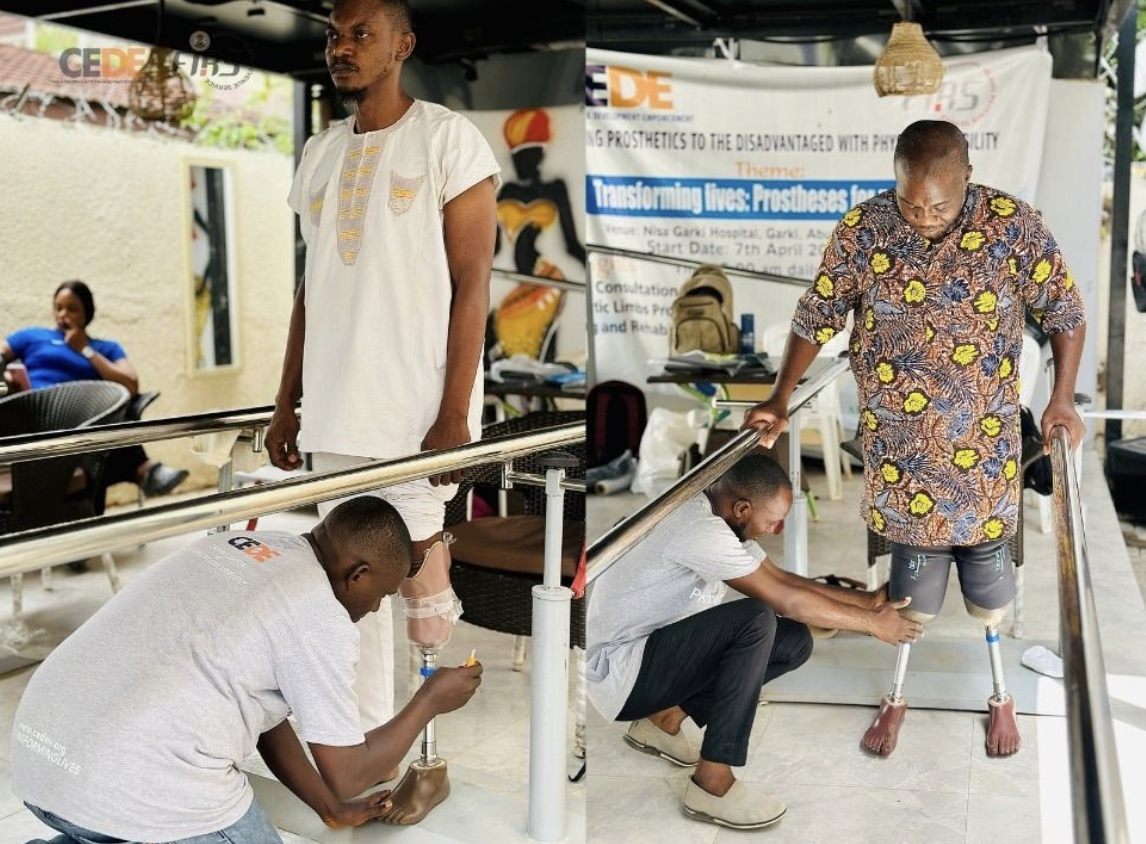
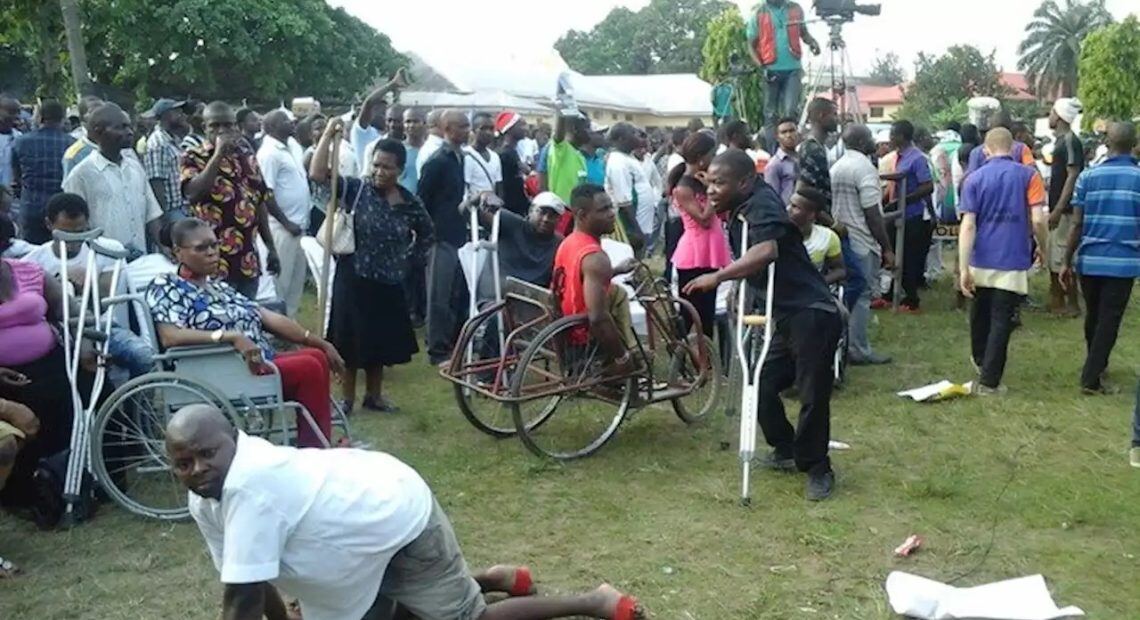
It may come as a surprise to many, but an estimated 29 million Nigerians are living with disabilities, according to a World Bank report. For millions of these individuals, the most common challenge is mobility-related disability—a limitation that can affect the simplest parts of daily life, from walking to work, to accessing education, healthcare, and public services.
Yet behind the statistic is a deeper reality: in Nigeria, disability is still too often treated as an afterthought—when it should be seen as a national development priority.
The Hidden Crisis: Limb Loss and the Cost of Walking Again
Nigeria’s mobility crisis becomes even more urgent when it comes to limb loss.
Daily Trust reported that around 1.6 million Nigerians have lost a limb, but less than 10% can afford a prosthetic leg.
That gap isn’t just financial—it’s life-changing.
A prosthetic leg can cost:
- ₦1 million for a locally made below-knee prosthesis
- Up to ₦30 million for more advanced prosthetic solutions
For most families, these costs are simply impossible. And without a prosthesis or appropriate rehabilitation, many amputees face long-term dependence, unemployment, social exclusion, and increased medical complications.
In practical terms, this means:
- A student drops out because they can’t physically attend school
- A parent loses their job because commuting becomes impossible
- A skilled worker becomes excluded from economic activity
- A preventable health issue becomes a lifelong disability
When mobility disappears, independence often disappears with it.
Why Prosthetics Access is About More Than a Device
A prosthetic limb is not a luxury product. It is a medical necessity and a gateway to inclusion.
Access to prosthetics supports:
✅ Economic participation and workforce reintegration
✅ Reduced caregiver burden on families
✅ Improved mental health and confidence
✅ Reduced secondary complications (injury, posture issues, chronic pain)
✅ Dignity, movement, and independence
But prosthetics access cannot be achieved by hospitals alone. It takes systems, partnerships, innovation, and community-first solutions.
A Purpose-Driven Response: CEDE (Chen Education and Development Empowerment)
To respond to this urgent national need, Chen Education and Development Empowerment (CEDE) @cedevng is stepping forward as a purpose-driven nonprofit organization committed to advancing:
- human development
- social inclusion
- sustainable impact
- support for underserved and marginalized communities in Nigeria
CEDE’s approach is built on action—not awareness alone.
Through innovative use of digital technologies, strong partnerships, and community-centered approaches, CEDE works to connect vulnerable populations to essential resources across:
Healthcare
Ensuring access pathways are clearer, faster, and more inclusive for those who need support the most.
Education
Removing barriers that prevent children and young adults with disabilities from learning and progressing.
Economic Development & Empowerment
Supporting communities to move beyond survival and into sustainable income opportunities.
Partnership as a Strategy for Real Change
One of CEDE’s strengths is that it does not operate in isolation.
The organization functions through:
- donor support
- partnerships with public and private sector
- collaboration with professionals
- engagement with civil society organizations
- cooperation with development agencies
This model is critical, because the scale of the disability and prosthetics gap in Nigeria is too large for any single group to solve alone.
Real impact demands coordination—across government, philanthropy, healthcare, education systems, and communities.
The Future Must Be Inclusive—By Design
Nigeria cannot afford to treat disability inclusion as optional.
When 29 million people live with disabilities, disability is not a “small group issue.” It is a national issue. A workforce issue. A poverty issue. A healthcare issue. A human rights issue.
And with 1.6 million Nigerians living with limb loss—many unable to afford prosthetic care—the need is urgent.
Organizations like CEDE represent a practical, scalable response: building bridges between vulnerable communities and real resources, while driving measurable outcomes through partnership and innovation.
Touching Lives, Restoring Mobility, Building Hope
For many Nigerians living with disability or limb loss, support isn’t just about being seen—it’s about being enabled.
Mobility means possibility.
And every time access is improved—through funding, technology, services, or partnership—lives change in real ways.