 By
By
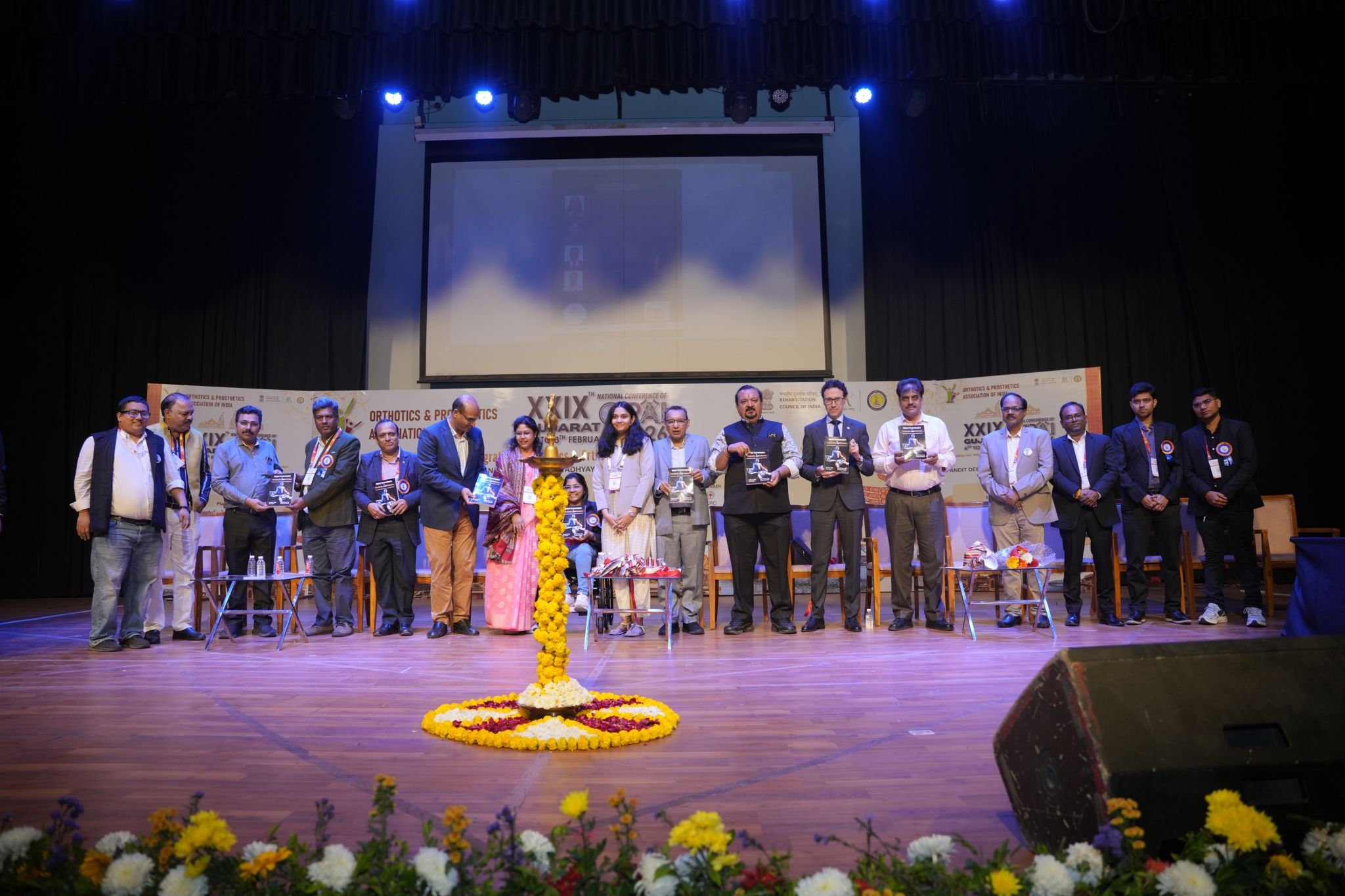
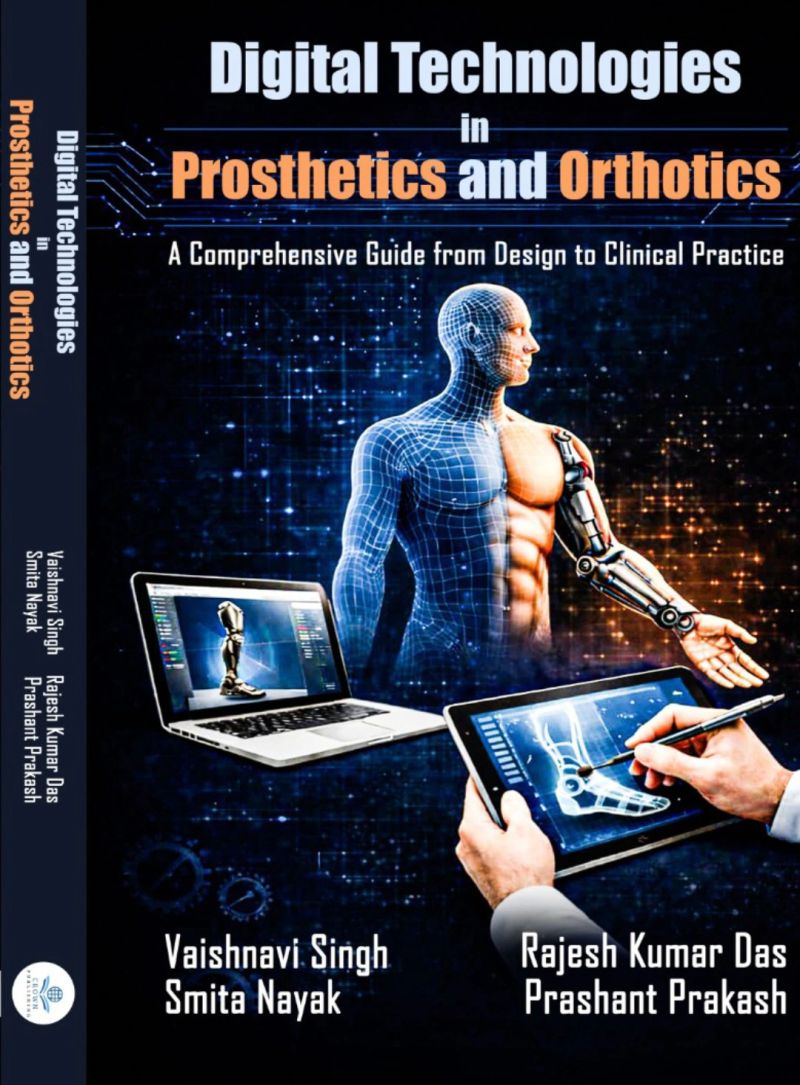
At the recent Orthotics and Prosthetics Association of India (OPAI) 2026 Conference, the prosthetics and orthotics community celebrated a significant academic and professional milestone — the official launch of the book Digital Fabrication in Prosthetics and Orthotics.
Authored by a dedicated team of professionals in the field, the book provides a comprehensive and structured overview of contemporary digital technologies transforming prosthetic and orthotic design, fabrication, and clinical practice. With the rapid adoption of digital tools in assistive technology, this publication arrives at a pivotal moment for educators, clinicians, technicians, and students alike.
Bridging Traditional Craftsmanship with Digital Innovation
Digital Fabrication in Prosthetics and Orthotics takes readers on a journey from traditional fabrication methods to advanced digital workflows that define modern practice. It highlights essential technologies such as:
- 3D scanning — capturing precise patient anatomy
- Computer-Aided Design (CAD) — creating patient-specific digital models
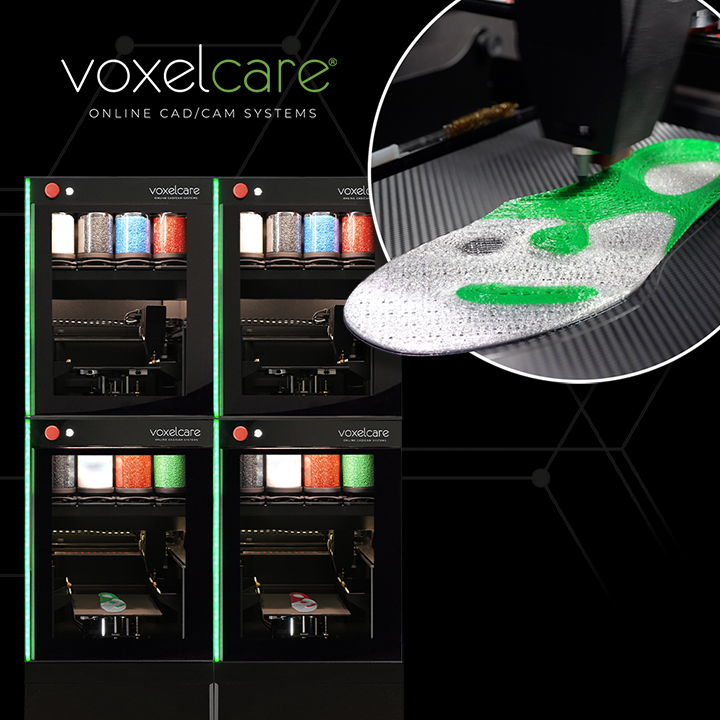
- Additive manufacturing (3D printing) and subtractive manufacturing — producing customized components with high precision
Through clear, clinically relevant examples, the book demonstrates how these technologies integrate to improve patient outcomes and workflow efficiency — making it an invaluable resource for the growing global community focused on digitally enabled rehabilitation.
Alignment with Education and Professional Standards
A standout feature of the book is its alignment with the Rehabilitation Council of India (RCI) syllabus, ensuring it not only serves as a practical guide for current practitioners but also positions itself as a key academic text for training the next generation of prosthetists and orthotists.
A Collaborative Effort
In her announcement, Vaishnavi Singh expressed deep gratitude to her co-authors — including Smita Nayak, Rajesh Das, and Prashant Prakash — whose contributions were instrumental in bringing this project to life. The book launch was supported by the Artificial Limbs Manufacturing Corporation of India (ALIMCO), recognizing the institution’s role in championing innovation in assistive technology.
This launch not only underscores the rapid digital transformation underway in prosthetics and orthotics but also highlights the power of collaboration between academia, industry, and professional associations in advancing care and education in rehabilitative sciences.