 By
By
Afghanistan is one of the most mine-affected countries in the world, a legacy of successive wars that left millions of explosive remnants scattered across villages, mountains, and fields. Many of these devices were planted years ago, and their locations were never recorded.
According to the UN Mine Action Service, since 1989, more than 45,000 Afghan civilians have been killed or injured by landmines and explosive remnants of war. Many are children chasing a ball or herding animals. Others are adults collecting firewood, tending livestock, or returning to a home they fled years earlier.

The EU supports humanitarian demining in Afghanistan, through vetted partner organisations such as the HALO Trust, to make the land safe again.
Afghan deminers work methodically, armed with metal detectors, protective gear, and patience.
Square centimetre by square centimetre, they reclaim the land. When an area is declared safe, communities return, crops are planted, and children walk to school without fear.
Clearing land needed for farming
For farmers, the land is both a livelihood and a gamble. Fertile fields lie abandoned, marked as contaminated by stones or scraps of red cloth tied to branches. Others take the risk and continue to farm dangerous land to feed their families in a country facing one of the world’s most severe hunger crises. In Afghanistan, about 17 million people, roughly one third of the population, are facing acute food insecurity during the winter months through early 2026.

Education plays a vital role in keeping civilians safe. Awareness programmes teach communities how to recognise warning signs and avoid dangerous areas. In many villages, children learn to identify the shapes and colours of explosives before they can read - a sobering but necessary skill.

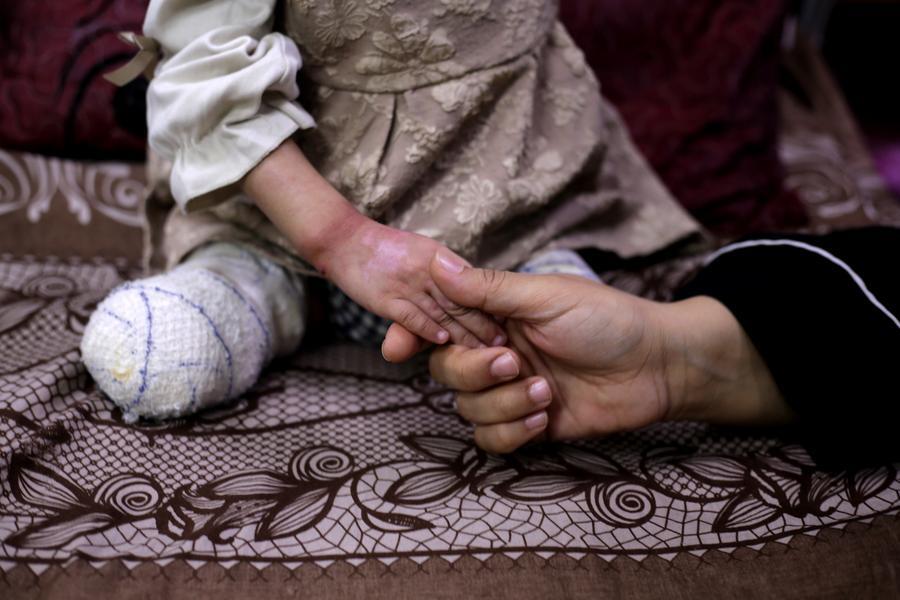
When accidents happen, the injuries are life-altering: lost limbs, chronic pain, and trauma that extends far beyond the initial blast. Survivors often struggle to access the care they need in Afghanistan’s overstretched and under-equipped health system.
Funding healthcare for mine victims
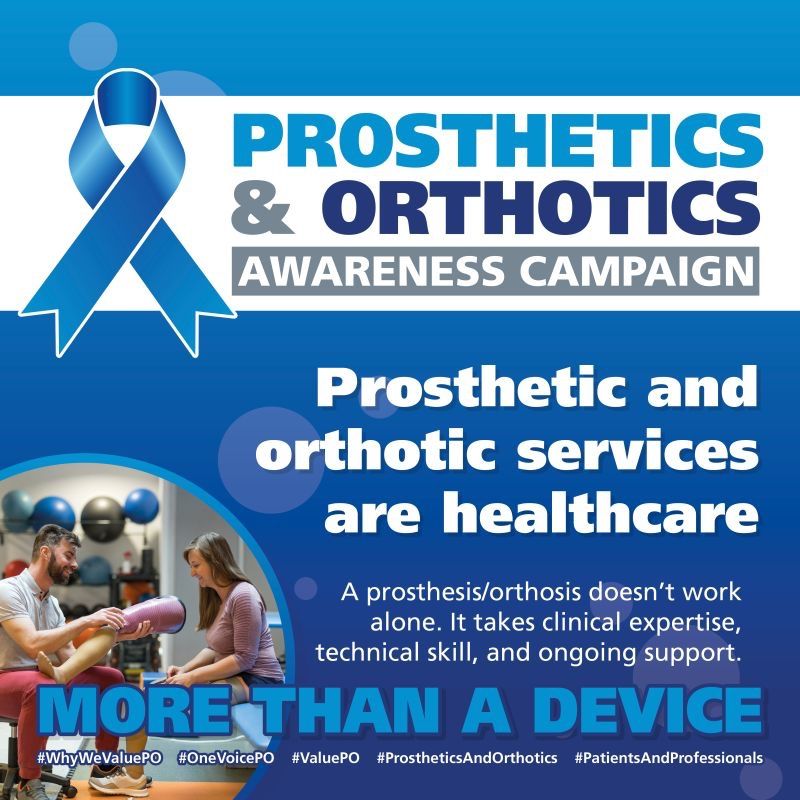
The human cost is visible at the rehabilitation centres, where survivors begin long and difficult recoveries.

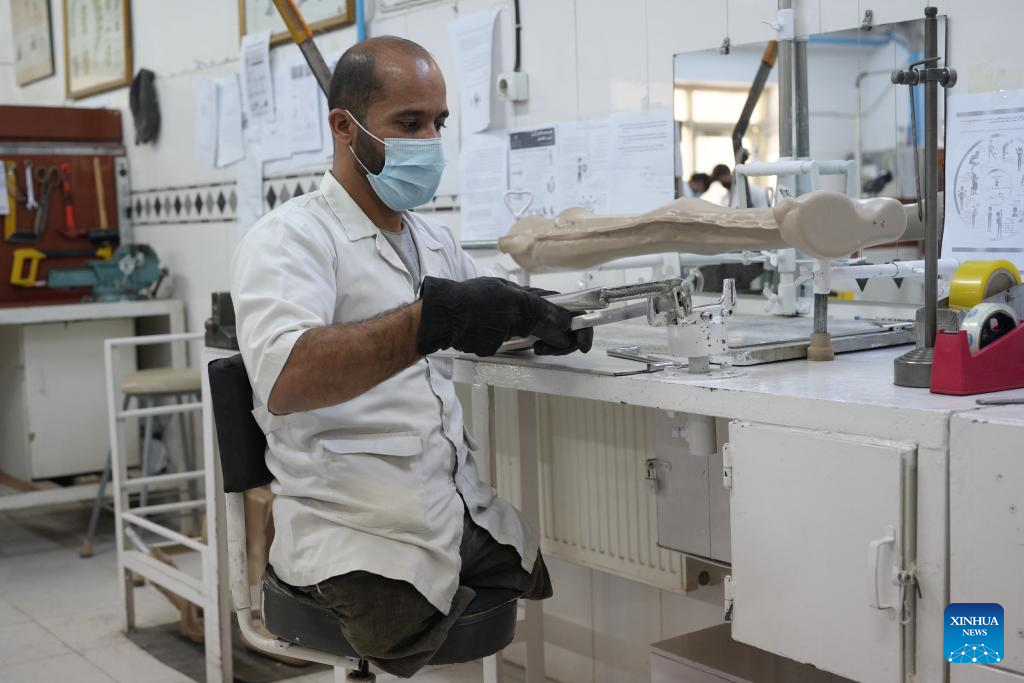
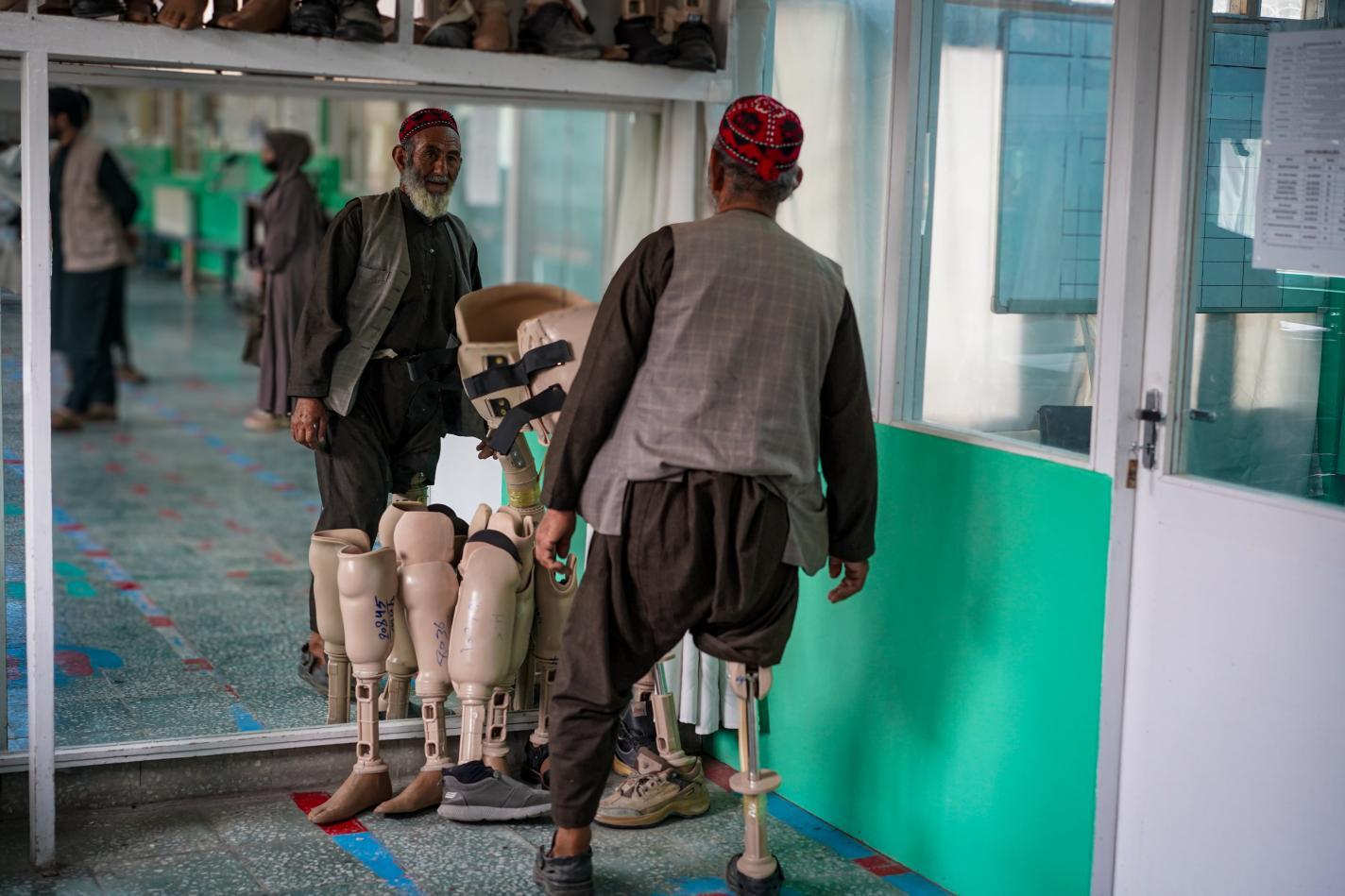
’I was lying there,’ says one of the patients waiting to have his prosthetic leg repaired at the ICRC rehabilitation centre in Kabul, recalling the day he stepped on a mine.
’When my family came, I told them not to come any closer. I tried to move off the field myself. I was then transported to the ”Emergency” hospital in a neighbouring province. After receiving medical treatment, I went to the ICRC’s rehabilitation centre. They took my measurements, and once my leg had healed sufficiently, I received a prosthetic leg.’
Landmines and other explosive items are indiscriminate weapons threatening the lives of civilians, in Afghanistan, and other conflict-ridden countries across the globe.
Their removal is slow, expensive, and painstaking — but each one cleared means one less silent threat beneath the dust.