 By
By
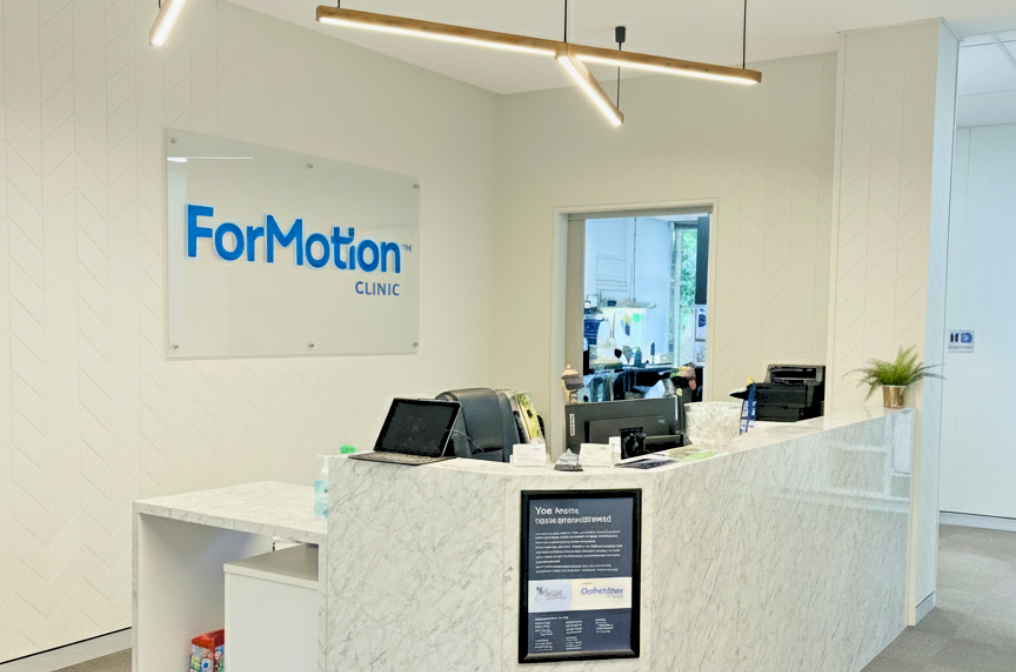
Embla Medical, a global leader in prosthetics, neuro-orthotics and patient care solutions, reported solid financial results for the fourth quarter and full year ended 2025, demonstrating continued growth and operational strength across its core markets.
Q4 2025 Performance
- Sales Growth: Fourth-quarter revenues reached USD 257 million, with 7 % organic sales growth (up from 5 % in Q4 2024) and 10 % local currency growth supported by the recent acquisition of Streifeneder ortho.production.
- Segment Momentum: Growth was driven by strong performance in Prosthetics & Neuro Orthotics, continued innovation, and a recovery in Patient Care sales; Bracing & Supports remained flat on a seasonal basis.
- Profitability: The EBITDA margin was 19 %, slightly lower compared to Q4 2024 but reflecting strategic investments and external pressures such as FX headwinds and tariff impacts.
- Net Profit & Cash Flow: Net profit increased 33 % year-on-year to USD 25 million in Q4, while free cash flow for the quarter was USD 42 million.
Full Year 2025 Results
- Revenue & Organic Growth: Total sales for 2025 were strong, with organic growth of 6 %, underpinned by demand for high-performance prosthetic and neuro-orthotic solutions worldwide.
- Gross Margin: The overall gross profit margin held at 62 %, supported by efficiency gains and favorable product mix.
- EBITDA & Free Cash Flow: Full-year EBITDA margin remained 20 %, consistent with the prior year, with free cash flow improving to 11 % of sales as operating performance strengthened.
- Leverage: Net interest-bearing debt to EBITDA remained within target at 2.4×, supporting Embla Medical’s disciplined capital structure.
Strategic Momentum & Outlook
Embla Medical continued to expand its global footprint, reinforcing its position among the world’s top companies for sustainable growth and launching new clinical initiatives, such as expanded prosthetic care programs to support amputees in underserved regions.
Looking ahead, the company has issued guidance for 2026, targeting 5–8 % organic growth and an EBITDA margin of 20–22 %, emphasizing continued investment in innovation, operational efficiency, and long-term profitability.