 By
By
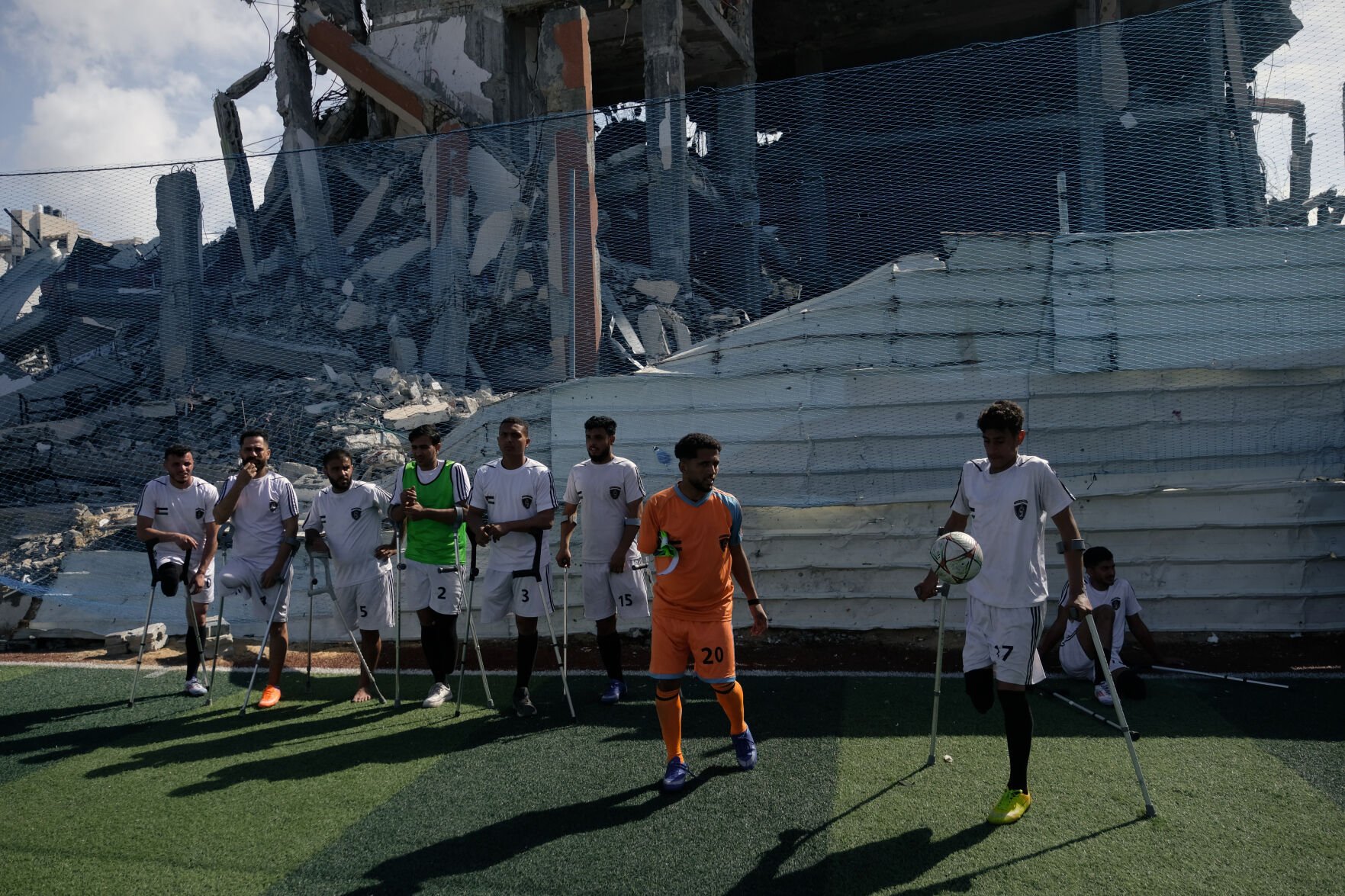
In the heart of the Gaza Strip—amid devastation, loss, and the long shadow of conflict—there’s a powerful and inspiring story unfolding: amputee football has become more than a sport. It’s a symbol of survival, identity, and unbreakable human spirit for Palestinians living with the lifelong consequences of war.
A Sport Born from Adversity
In recent years, Gaza has seen thousands of residents sustain life-altering injuries, including amputations, as a result of repeated hostilities. For many, the loss of limb also means the loss of livelihood, mobility, and hope. Yet, in this harsh landscape, amputee football has emerged as a source of dignity and purpose.
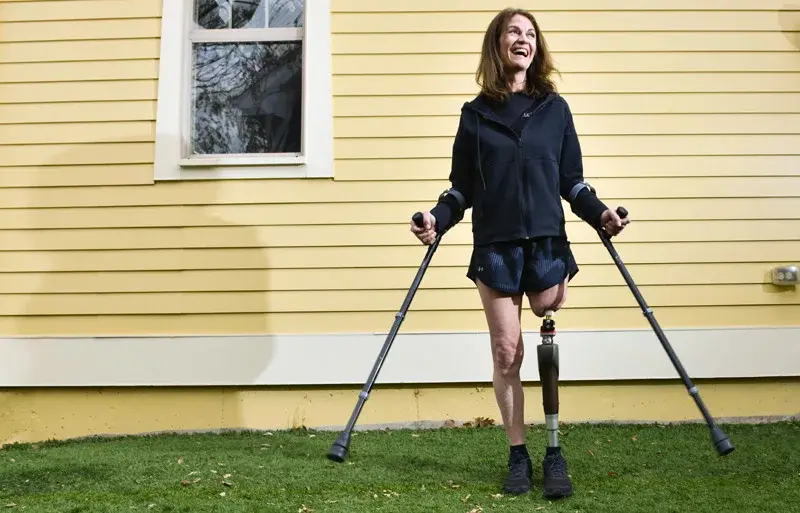
Unlike traditional football, amputee football is adapted for athletes who have lost one or more limbs. Players move across a dusty pitch on forearm crutches, balancing skill, determination, and sheer willpower to control the ball and compete. The sport’s rules are specific: field players have lower-limb amputations and play without prostheses, using crutches for movement, while goalkeepers typically have upper-limb amputations.
Despite the destruction of much of Gaza’s sports infrastructure, including stadiums and training facilities, amputee footballers have continued to gather and compete—often in improvised venues amid rubble, tents, and damaged fields.
More Than Just a Match
On November 17, dozens of Palestinian amputees came together in central Gaza for a soccer tournament that was both a sporting event and a profound act of community resilience. Players with varying levels of limb loss, some injured in past conflicts and others more recent, leaned on crutches and adjusted artificial limbs before taking to the field. For them, the game was about more than scoring goals—it was a statement of survival and shared identity in a place marked by hardship.
For many participants, football is deeply rooted in personal history—a game played in childhood, a passion interrupted by injury, and now a path back to joy and connection. Clinics and organisations in Gaza work to support amputees with rehabilitation, crutches, psychological care, and peer support, but the resilience shown on the football field reflects something broader: the refusal to surrender life to conflict.
Healing Through Sport
Football has a unique capacity to heal—physically, socially, and emotionally. For amputees, the opportunity to train, compete, and be part of a team counteracts isolation and nurtures confidence. Even when infrastructure has been shattered and resources scarce, players have found ways to maintain regular training and matches, turning whatever open space is available into a pitch.
Beyond sport, amputee football in Gaza carries symbolic weight. It sends a message to the world: that even amid adversity and loss, individuals continue to pursue dreams, maintain dignity, and find hope in community and camaraderie.
Challenges and the Road Ahead
Despite its power and promise, amputee football in Gaza faces persistent challenges. The destruction of rehabilitation centres, shortage of adaptive equipment like sturdy crutches, limited medical support, and barriers to travel make regular competition and international engagement difficult.
Yet players, advocates, and community leaders remain determined. There are ongoing efforts to rebuild Gaza’s sports facilities and to organise regular local championships and inclusive programmes that bring together amputees of all ages. The presence of a formal Palestinian Amputee Football Association, originally formed to support athletes with disabilities, shows that this movement is not just temporary—it’s part of a longer journey to empower Gaza’s amputees and promote disability sport in the region.
A Story of Courage and Continuity
Amputee football in Gaza transcends its athletic frame. It tells a story of individuals who have faced crushing loss—of homes, health, and loved ones—yet refuse to let that define their lives. Through the rhythm of the game, they reclaim parts of themselves, nurture community bonds, and inspire others with their strength.
For organisations and advocates in rehabilitation, prosthetics, and adaptive sports across the IMEA region, the story of Gaza’s amputee football underscores the transformative power of sport to heal, unite, and affirm human dignity—even in the most challenging circumstances.