 By
By
Bhutan’s orthotics, prosthetics, and rehabilitation services sit at the intersection of a small population, a highly centralised public health system, and a growing burden of non-communicable diseases. Demand is shaped by diabetes-related limb complications, stroke and neurological disability, trauma, and long-term mobility impairment—creating steady need for prosthetic limbs, orthotic bracing, diabetic foot offloading, and multidisciplinary rehabilitation.
In a structure similar to many “rebuilding and strengthening systems” narratives across IMEA, Bhutan’s story is defined by a key reality: the country has one primary Prosthetic & Orthotic centre, supported by referral hospitals for ongoing clinical care and follow-up.
Prevalence & Demand Drivers (Key Statistics)
Diabetes
Diabetes is a major driver of lower-limb risk (ulceration → infection → amputation) and a rising contributor to orthotic and prosthetic demand. The World Bank/IDF-linked indicator reports:
- ~12% diabetes prevalence (ages 20–79) in 2024
IDF country reporting also estimates: - ~57,300 adults (20–79) living with diabetes in 2024
Stroke
Stroke creates sustained need for AFOs/KAFOs, mobility aids, shoulder supports, and long-term neurorehabilitation. A 2025 Asia stroke epidemiology review reports:
- Bhutan stroke incidence among the lowest in Asia (~60.6 per 100,000; 95% CI 53.4–69.4)
Persons with Disabilities
Disability prevalence varies by measurement method and self-reporting. Two widely cited national sources show:
- 2.1% disability prevalence (Population & Housing Census of Bhutan 2017)
- 6.8% self-declared disability (reported in a 2023 survey synthesis)
Amputations
Bhutan’s published evidence base suggests a meaningful lower-limb prosthetic user population served through a single national pathway. A Bhutan Health Journal study of prosthetic users reported:
- 96.4% were current prosthesis users, and 44% of prostheses required repair (reflecting ongoing follow-up and maintenance needs).
Bhutan O&P System Snapshot
Bhutan’s delivery model is characterised by:
- A single national Prosthetic & Orthotic centre providing basic-to-intermediate P&O services
- A referral network where follow-up patients are supported at Regional Referral Hospitals
- Public-sector service orientation (including rehabilitation access and referral pathways), with rehabilitation services anchored around tertiary hospitals and regional hubs
Top Orthotic & Prosthetic Service Providers in Bhutan
Given Bhutan’s centralised model, the “top providers” list looks different than larger markets—more like a national hub plus referral hospital network:
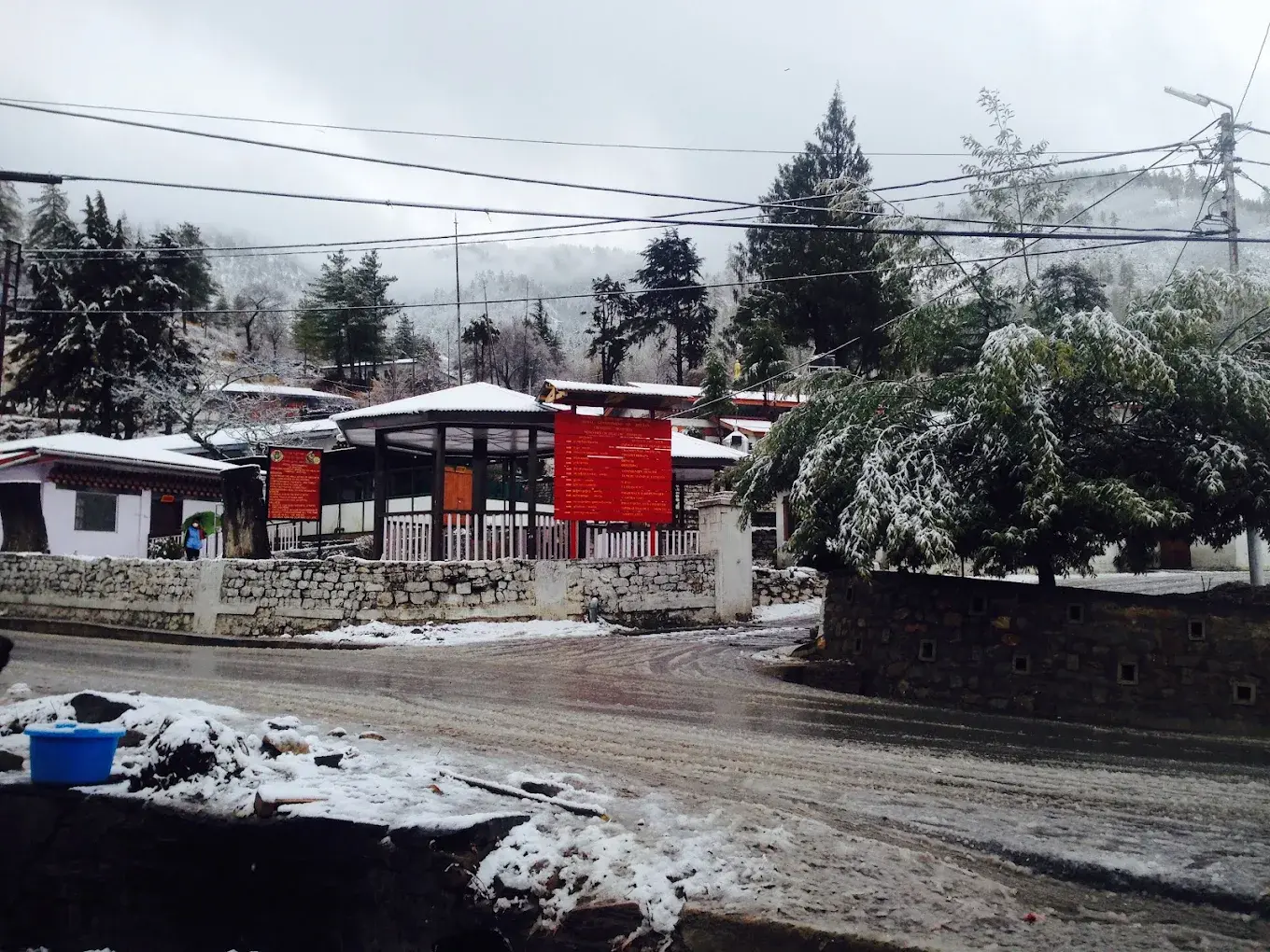
1) Gidakom Hospital Prosthetic & Orthotic Unit
Bhutan’s core P&O service hub. Evidence in national reporting and peer-reviewed research describes it as the only rehabilitation centre providing prosthetic and orthotic services, established in the 1980s and delivering ongoing fittings and repairs.
2) Jigme Dorji Wangchuck National Referral Hospital (JDWNRH)
The national referral hospital and a central point for specialist care and rehabilitation-linked pathways (particularly orthopaedics and complex referrals).
3) Central Regional Referral Hospital (CRRH)
A key southern referral hospital for orthopaedics and broader specialist services—important for follow-up access outside the capital region.
4) Mongar Regional Referral Hospital (MRRH)
A major eastern referral hospital supporting orthopaedics and inpatient/outpatient services—relevant to referral pathways and ongoing rehab access in the east.
5) Eastern Regional Referral Hospital (ERRH)
A regional referral institution (Mongar) referenced in national hospital infrastructure and service reporting; relevant as part of the regional network supporting rehabilitation follow-up and access.
Key Challenges
Bhutan’s O&P growth constraints are less about “too many fragmented providers” and more about capacity and coverage:
- Single-centre P&O bottleneck (workforce, throughput, repair backlog risk)
- Geography and travel burden for rural districts (access + follow-up)
- Rising NCD load (diabetes and stroke) increasing demand for long-term rehab
- Need for stronger maintenance/repair pathways (noted repair needs among users)
Growth Opportunities
Bhutan can make outsized gains by focusing on system design, not just product supply:
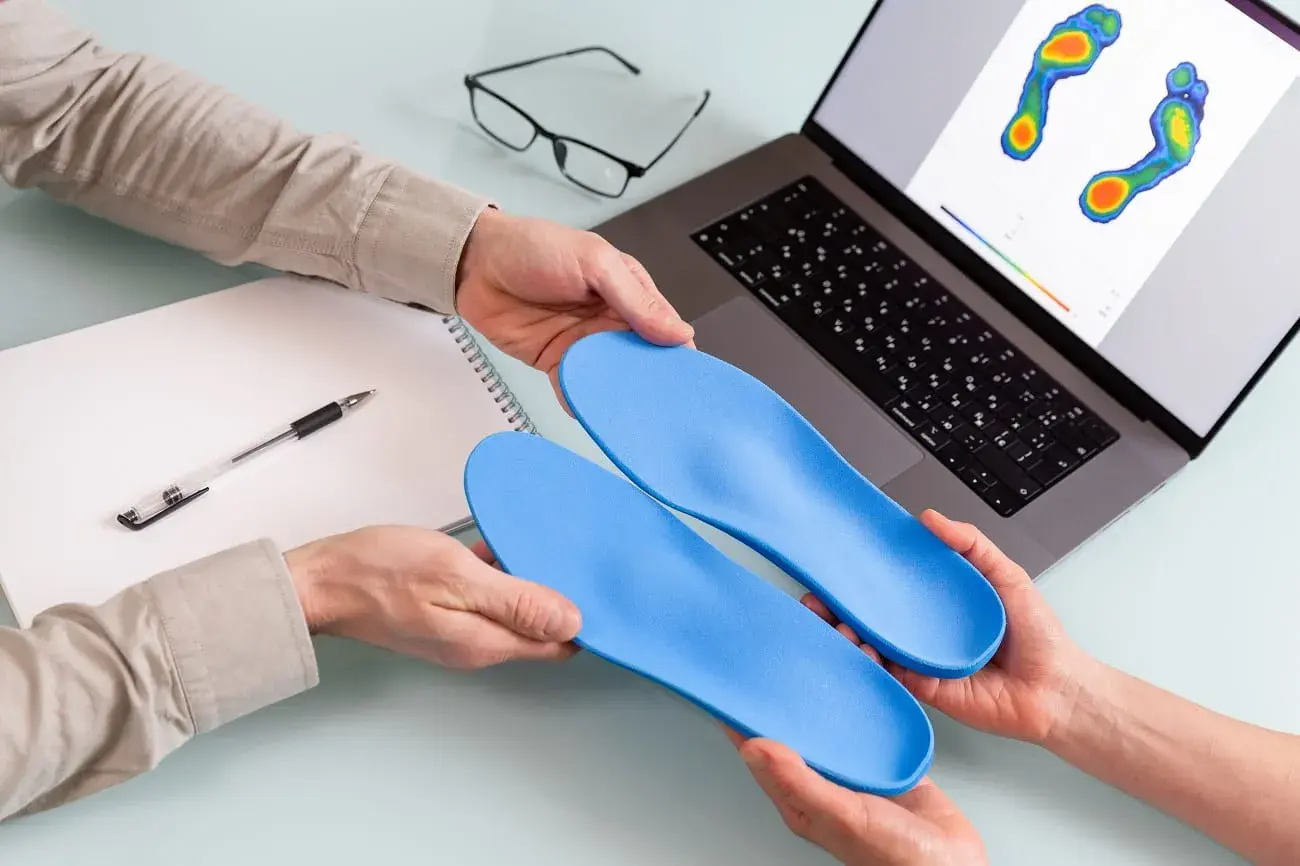
- Diabetic foot prevention at scale: screening + protective footwear + custom orthoses/offloading to reduce ulcers and amputations (high leverage given prevalence)
- Hub-and-spoke O&P outreach: structured fitting clinics and repair camps linked to regional referral hospitals for continuity of care
- Standardised repair and refurbishment programs (to reduce downtime and extend device life)
- Digital workflow adoption where it helps most: remote scanning and central fabrication to reduce repeat travel and speed turnaround (especially for orthoses)
Bhutan is a clear example of a country where a centralised prosthetic and orthotic system can work—if capacity, outreach, and follow-up are strengthened. With diabetes prevalence around 12% (20–79) and a continuing stroke burden, demand for amputation prevention, orthotic bracing, and lifelong rehabilitation support will rise.