 By
By
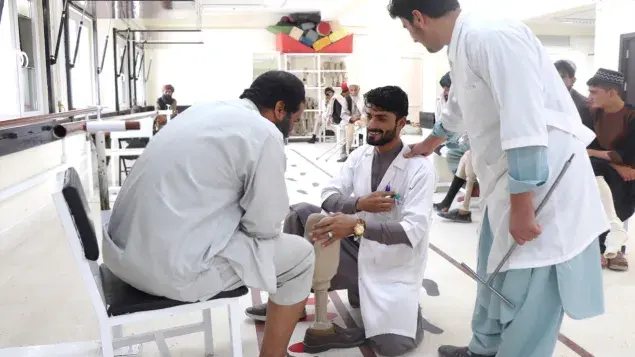
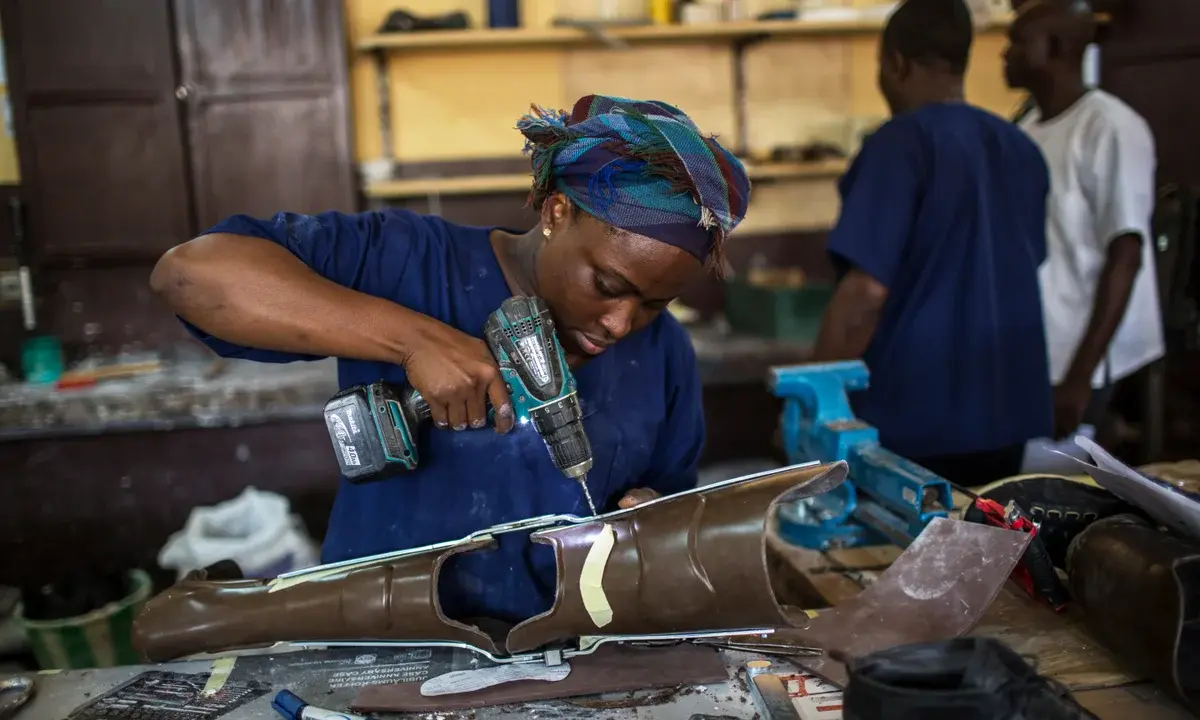
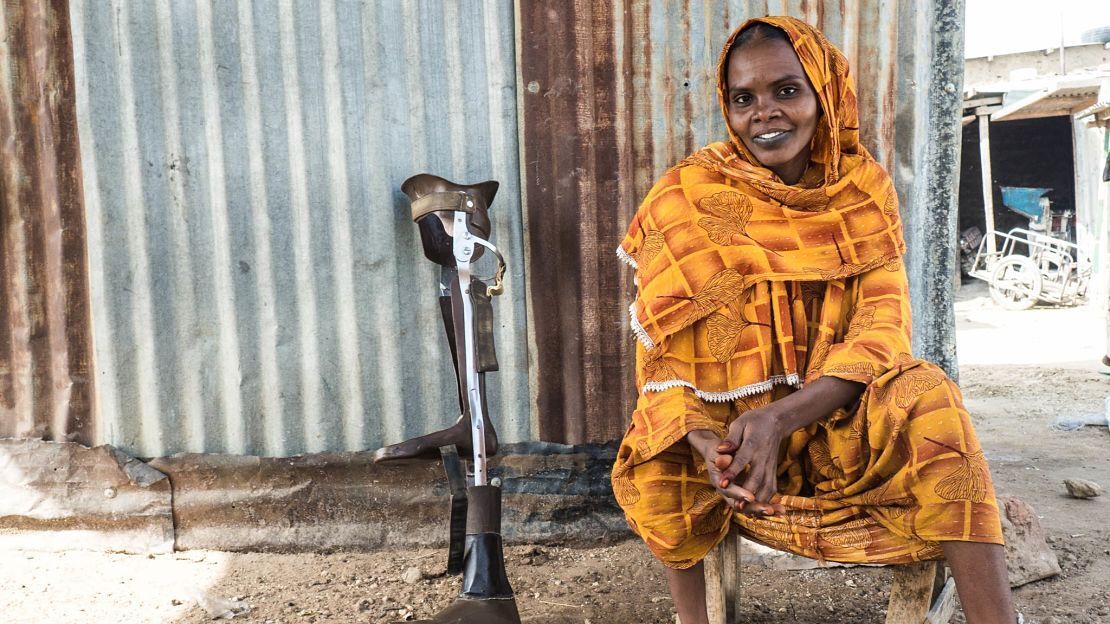
An artificial limb and rehabilitation centre in Lashkargah, the capital of Afghanistan’s southern Helmand province, is helping thousands of people affected by landmines, war injuries and physical disabilities rebuild mobility and independence.
According to Pajhwok Afghan News, the centre treated 19,511 people last year, providing prosthetic limbs, physiotherapy, counselling and care for a range of physical conditions. The facility operates with support from the International Committee of the Red Cross (ICRC) and receives patients every day, many of whom lost limbs during past conflicts or landmine explosions.
For IMEA CPO, the story is important because it shows the long-term rehabilitation burden that remains after war. Even when active fighting reduces, landmines, unexploded ordnance and untreated injuries continue to affect mobility, family life, employment and community participation for years.
A Centre Serving War Survivors and People With Disabilities
The Lashkargah centre is not only a prosthetic limb workshop. Officials told Pajhwok that the facility also supports people with cerebral palsy, clubfoot, spinal problems, polio-related disability, spinal tuberculosis, spinal injuries, nervous disorders and joint deformities. This makes it a wider physical rehabilitation service for children and adults with multiple mobility needs.
Centre director Wahid Naimi said the centre provides artificial limbs alongside treatment for many physical disabilities, reflecting the broader role of rehabilitation in a country where disability is shaped by conflict, disease, poverty and limited access to specialist care.
Landmines Still Shape Daily Life in Helmand
Helmand remains one of Afghanistan’s most war-affected provinces. Residents told Pajhwok that landmines continue to injure and kill civilians, particularly in rural areas where people return to homes, farms and villages after conflict.
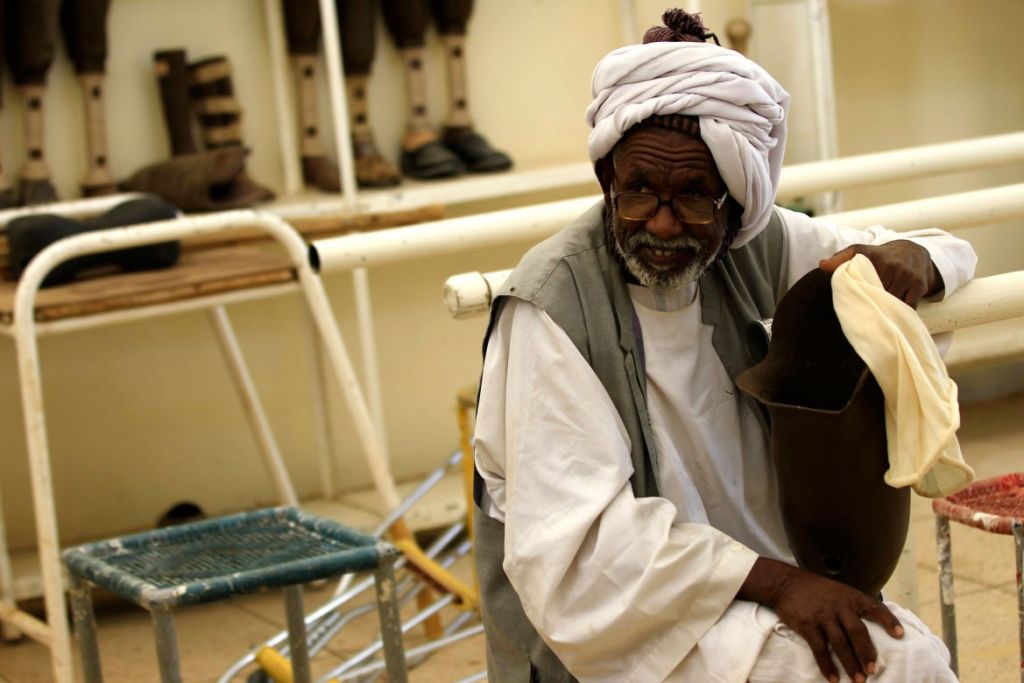
One elderly resident from Nawzad district described losing both legs after stepping on a hidden mine while returning to his village after the war. Others described childhood landmine injuries, long-term limb loss and repeated visits to the centre for prosthetic repair and adjustment.
Their experiences highlight a key humanitarian reality: mine clearance and rehabilitation must be linked. Clearing explosives prevents new injuries, while prosthetic and orthotic services support those already living with the consequences.
Mobility Is Only the First Step
For amputees in Helmand, a prosthetic limb can restore walking, but it does not automatically restore employment, income or full social participation. One bilateral amputee interviewed by Pajhwok said that although prosthetic legs helped him walk, he still could not work like an able-bodied person and called for employment opportunities suited to persons with disabilities.
This is a critical point for the O&P sector. Successful rehabilitation should include:
- Prosthetic fitting and repair
- Physiotherapy and gait training
- Residual-limb and skin care
- Psychological and counselling support
- Vocational support and inclusive employment
- Long-term follow-up and replacement planning
- Community reintegration
A prosthesis can open the door to mobility. But dignity and independence also require social and economic inclusion.
Afghanistan’s Wider Disability Challenge
Pajhwok cites UNAMA figures estimating that around 1.5 million Afghans live with significant disabilities, many linked to decades of conflict.
For Afghanistan, this means rehabilitation cannot be treated as a short-term humanitarian add-on. The country needs sustained prosthetic, orthotic, physiotherapy, counselling and assistive technology services across provinces, especially in areas affected by landmines and conflict injury.
IMEA CPO Perspective
For CPOs across India, the Middle East and Africa, Helmand’s rehabilitation centre is a reminder that war-related limb loss creates lifelong clinical needs. Patients require more than one prosthetic fitting. They need repairs, replacements, socket adjustments, physiotherapy, counselling and community support over many years.
The Lashkargah centre shows the importance of local rehabilitation infrastructure in conflict-affected settings. It also shows why humanitarian prosthetics must be integrated with mine action, disability inclusion, employment support and long-term health planning.
In Helmand, restoring mobility is not only a technical act. It is part of rebuilding lives after decades of conflict.