 By
By
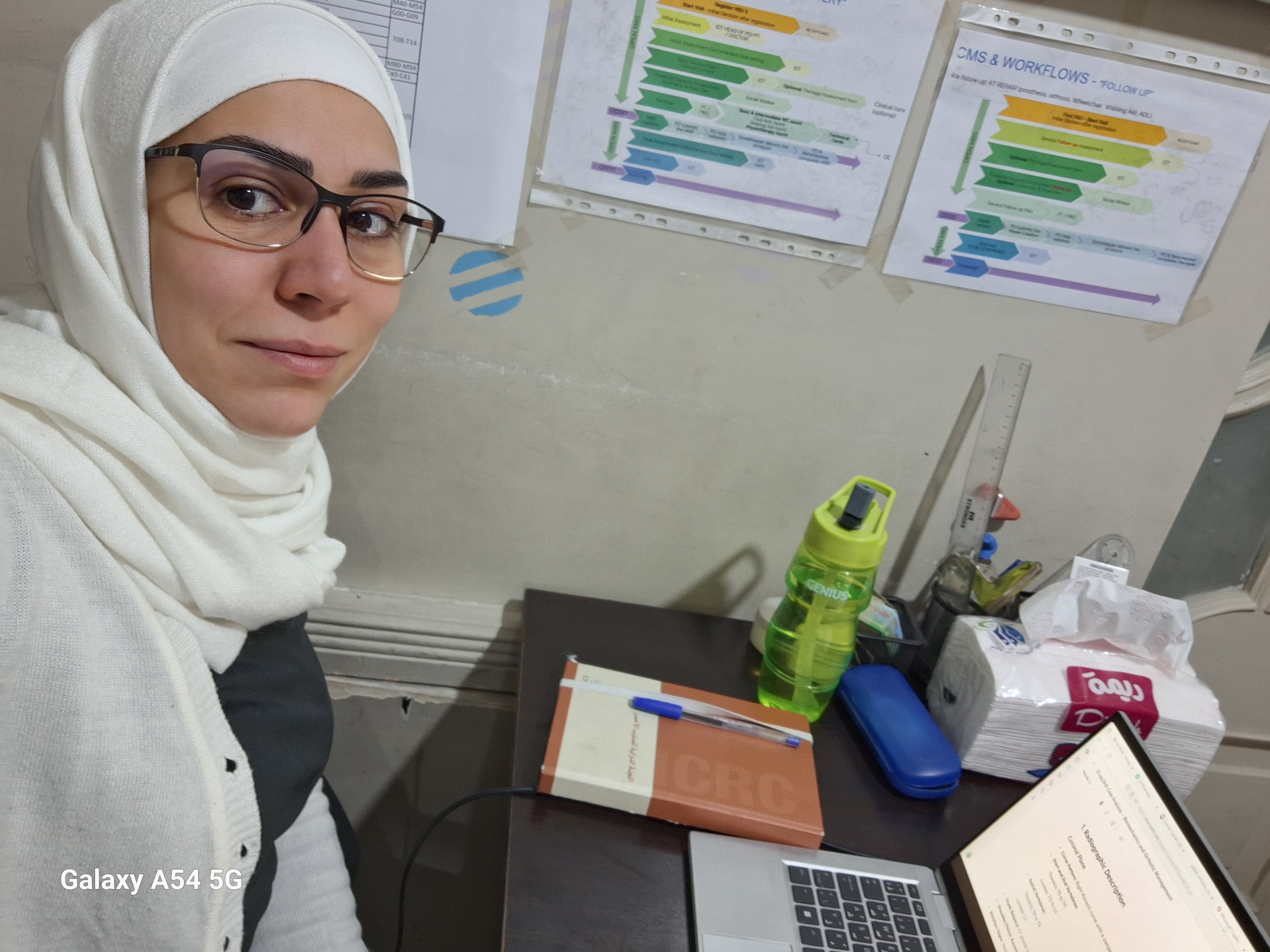
My name is Seba Akkad and I live in Baghdad Station, Aleppo, Syria.
I studied Orthotics & Prosthetics at ULSA / VIETCOT in Hanoi, Vietnam and graduated in 2019 with an ISPO International Diploma. I currently work at VitaXir / VitaSyr Physical Rehabilitation & Prosthetics Center in Aleppo as an Ortho-Prosthetist.
What do you claim is your speciality – your O&P passion?
My specialty and passion is humanitarian O&P in emergency and conflict settings. Working with the ICRC for nearly seven years taught me how to serve amputees and orthotic patients in very challenging conditions – often with limited resources, urgent needs, and complex trauma cases. I'm especially passionate about helping handicapped individuals in emergencies, which is why I put that in my objective.
What do you like most about practicing O&P?
What I like most is seeing the complete transformation – from the first patient interview and plaster cast, all the way to the final cosmetic finish and fitting. I love the moment a patient takes their first step with a prosthetic limb I made with my own hands. That never gets old.
What frustrates you about O&P?
Honestly, what frustrates me is when we have machinery breakdowns or material shortages – which happened often during my ICRC years. Also, sometimes patients don't get consistent follow-up care due to the security situation in Aleppo. I want every device to fit perfectly, but delays and supply chain issues can get in the way.
What is your greatest patient story in O&P?
I'll never forget a young landmine victim I treated at ICRC. He had lost his leg below the knee and was very withdrawn. I not only made his prosthesis but also coordinated with our physiotherapist and the MDT team. After fitting, he smiled for the first time. He started walking, then eventually returned to school. That case reminds me why I chose this field – and why my Quality Control and MDT roles at ICRC were so important.
How do you build rapport with patients in your care?
I always start by collecting their medical and social history – and I listen to their families and caregivers. I explain every step of the process, from casting to final fit, and I make sure to instruct them on how to use and care for their device. Because I worked as a secretary at ICRC earlier, I learned to translate between patients and technicians, so I never forget that empathy and clear communication builds trust. I also take photos of their progress and keep detailed records – patients appreciate when you truly remember their story.