 By
By
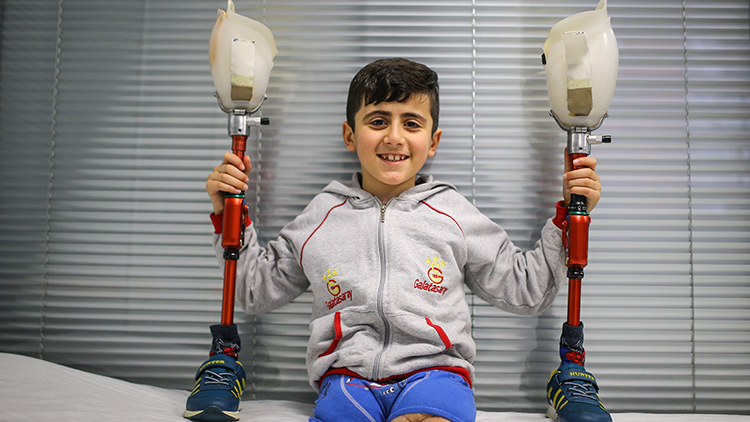
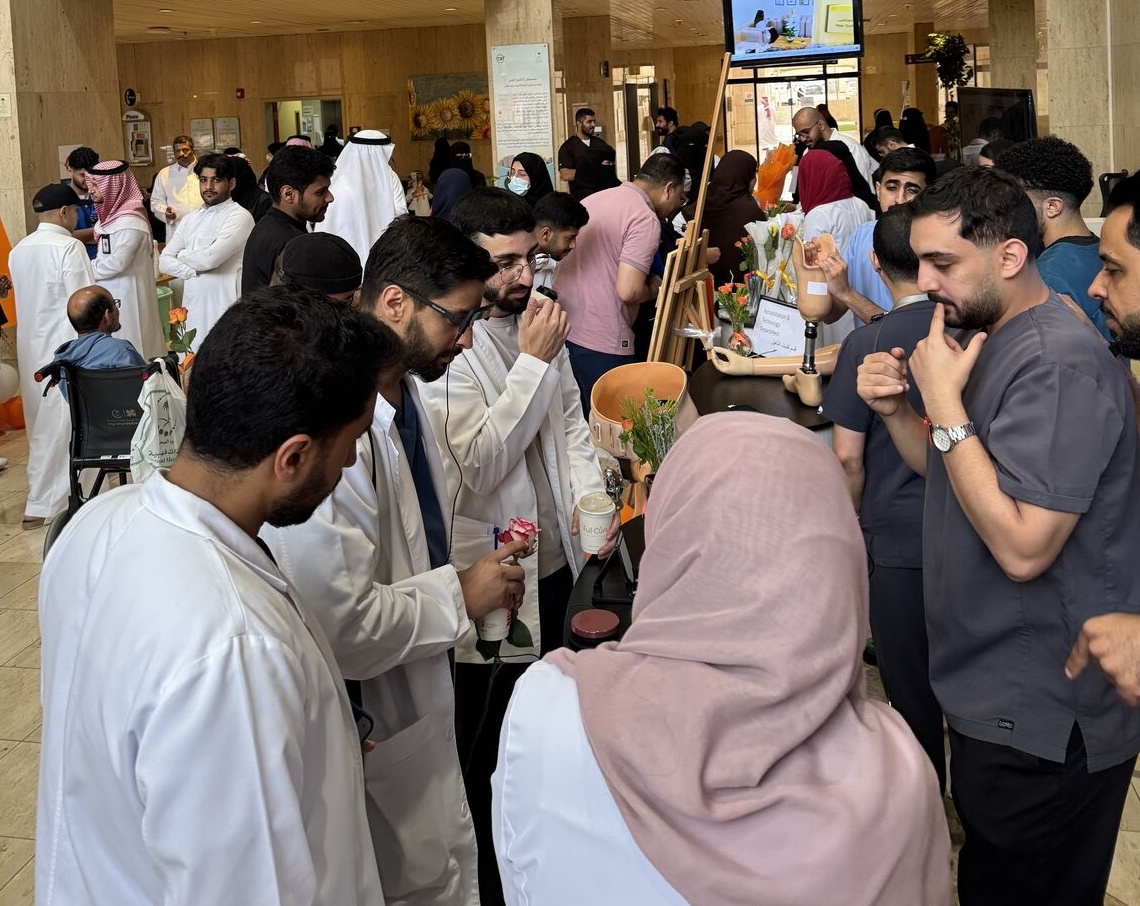
Türkiye is considering the creation of a humanitarian prosthetics and orthotics centre in southern Syria to support children from Gaza who have lost limbs during the war, according to comments reported by Turkish and regional media. The proposal was discussed by Professor Kemalettin Aydın, Rector of Türkiye’s University of Health Sciences, during the VII Orthopedic Prosthetics and Orthoses Student Symposium in Gülhane.
The centre, if approved, would focus on manufacturing and fitting prosthetic and orthotic devices for children from Gaza, while also supporting clinical application, revision and related treatment processes. Caliber.az reported that the plan remains under discussion with Turkish authorities and would move forward only after the necessary approvals are secured.
Professor Aydın said assessments linked to the Jordan Hashemite Charity Organization’s humanitarian work for Gaza suggest that around 6,000 children require prosthetic and orthotic support. Turkish media reported that the proposed facility would be located in southern Syria, positioning it closer to regional humanitarian corridors while potentially creating a platform for longer-term care outside Gaza’s devastated health system.
The project reflects the scale and complexity of Gaza’s rehabilitation crisis. Children who have undergone amputations require far more than a single prosthetic fitting. They need wound care, residual-limb management, physiotherapy, pain management, psychological support, gait training, device maintenance and regular refitting as they grow. WHO’s assistive technology guidance emphasises that safe, effective and affordable assistive products, workforce capacity and user-centred service systems are essential for people to live healthy, independent and dignified lives.
Aydın also highlighted a specific clinical challenge facing Gaza’s injured children: malnutrition. He noted that continuous weight loss makes prosthetic fitting more difficult because each significant change in body size can require new measurements, socket adjustments or full revision of the device. WHO’s 2025 assessment of trauma rehabilitation needs in Gaza similarly warned that rehabilitation complications are being aggravated by malnutrition, including pressure injuries and other risks in people with serious injuries.
For children, this issue is even more acute. Paediatric prosthetic care is not a one-time intervention; it is a long-term pathway. A child who receives a prosthesis today may require repeated socket changes, new components, alignment reviews and rehabilitation support as growth, nutrition, displacement and medical complications change their condition.
The proposal also underlines the growing need for regional rehabilitation infrastructure. Gaza’s prosthetic and rehabilitation capacity has been severely strained, and international agencies have repeatedly warned of a dramatic rise in amputations and disability caused by the conflict. The UN Office of the High Commissioner for Human Rights reported in 2025 that thousands of amputations had been documented in Gaza and that children were among the most severely affected.
A southern Syria-based centre would not solve the crisis alone. However, if properly coordinated with humanitarian agencies, referral pathways, paediatric rehabilitation teams and prosthetics and orthotics professionals, it could become an important regional hub for child amputee care. The most effective model would need to combine device production with multidisciplinary rehabilitation, follow-up systems, nutrition support and psychosocial care.
For the orthotics and prosthetics community, the announcement is significant because it places P&O services at the centre of a major humanitarian health response. It also reinforces a critical point: prosthetic limbs are not simply products. They are part of a continuum of care that includes clinical assessment, fabrication, fitting, training, repair, replacement and long-term rehabilitation.
If Türkiye’s proposal advances, its success will depend on sustained funding, specialist workforce capacity, safe patient access, cross-border coordination and a clear commitment to long-term paediatric follow-up. For Gaza’s injured children, the need is immediate — but the rehabilitation journey will last for years.