 By
By
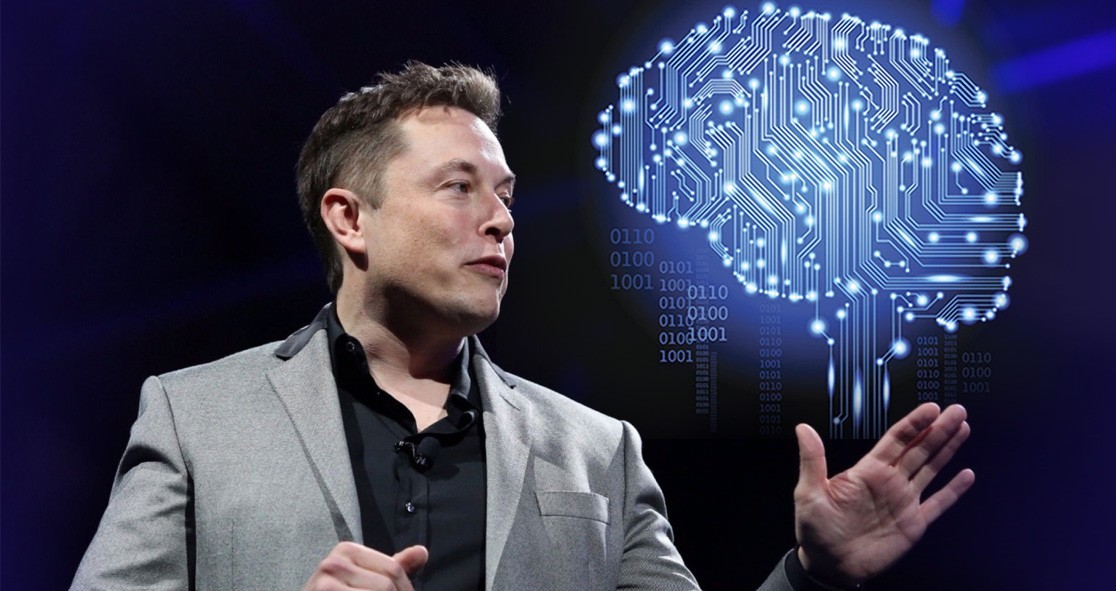
Neuroengineering has been gaining traction as a new favourite technology. It’s quietly reshaping how we understand and treat the brain, and at the University of Toronto (UofT), it’s moving from science fiction towards practical tools for patients. But how impactful will the technology be, and is it something to be afraid of?
To learn more, we sat down with Usman Wani. He’s an engineering student at UofT, as well as a part-time computational neuroscience researcher at Toronto Western Hospital, who are doing the Neuralink N1 implant trials. He also serves as co-president of Neurotech UofT, an undergraduate research group.
Neurotech UofT is focused on bridging neuroscience and engineering. The student researchers are uniquely well-placed to conduct cutting-edge research with organisations such as Krembil Brain Institute, which acts as a bridge between the Faculty of Engineering and clinical neuroscience and provides a “maker space” where students and researchers design neuroengineering devices.
Their projects address various neurological disorders. One computational neuroscience project aims to reduce the effects of epilepsy. Other projects lean more towards neuroengineering: for example, a tremor-mitigating device that could be life-changing for Parkinson’s patients and an exoskeleton for stroke patients. For each of these projects, the hardware, software, and neuroscience teams work in tandem to offer real solutions to neurological disorders and clinical needs. It goes without saying that this technology has the potential to transform the lives of millions.
Neuralink and Blackrock Neutrotech emerge as leaders in the field of neuroengineering. While Neuralink has gotten a lot of press over the past few years because of its association with Elon Musk, Blackrock Neurotech has been in the industry far longer, with some Food and Drug Administration trials secured. Blackrock Neurotech is also connected far better in the academia space, with a lot of connections at UofT. This helps to push graduates into these emerging fields, relying in part on the research that comes out of student labs.
But what benefit will come out of recruiting more graduates into this space? Wani speaks about several groundbreaking uses for the technology, “Neuroengineering is devised to have more non-invasive technology coming out that relies on hardware. Conventional, more clinical neuroscience research was more in the lab. The new trend is trying to minimize all of the wait time for these trials.” This technology, such as exoskeletons for Parkinson’s victims, could be infinitely useful for those suffering, as it promises help that fits into everyday life rather than dominating it.
With such transformative potential, the ethical stakes are high. Wani is candid about this “Pandora’s box” of technology, “It’s sort of like the Manhattan Project, right? People argue it ended World War II definitively, and they needed to use it to know that it can’t be used again.”
While a parallel to the Manhattan project doesn’t sound promising, especially since this technology is both largely untested and in the hands of controversial billionaire Elon Musk, Wani is assured that any possible damage would be a concern for the future, “We don’t really know the potential that AI has, and we don’t really know the potential that when you actually implement an AI with a human brain. But looking at where we realistically are right now with the technology, we’re not even close to being where people think we might be.” He adds that, “The people that are responsible for creating that technology, they have to live with the consequences. That’s actually what everyone that designs this really, really incredible technology has to sort of live with.”
Nobody can say for certain what will happen when advanced AI systems and BCIs evolve together. Wani is fundamentally optimistic that neuroengineering, like AI, will become deeply woven into everyday life. The question remains: Will we be able to live in a world in tandem with the consequences of neuroengineering research? Positive or negative, the future is yet to be found.