 By
By
Western Sahara is not a conventional prosthetics and orthotics market, and that is exactly why it matters.
For IMEA CPO readers, Western Sahara is best understood not as a straightforward commercial territory with a clear healthcare purchasing structure, but as a fragmented rehabilitation environment shaped by political dispute, displacement, mine contamination, humanitarian dependency, and long-term disability need. The United Nations Mission for the Referendum in Western Sahara (MINURSO) describes the territory as one still under a UN peace process framework, with Morocco and the Frente POLISARIO remaining the key parties, and with hostilities having resumed in November 2020 after the breakdown of the ceasefire.
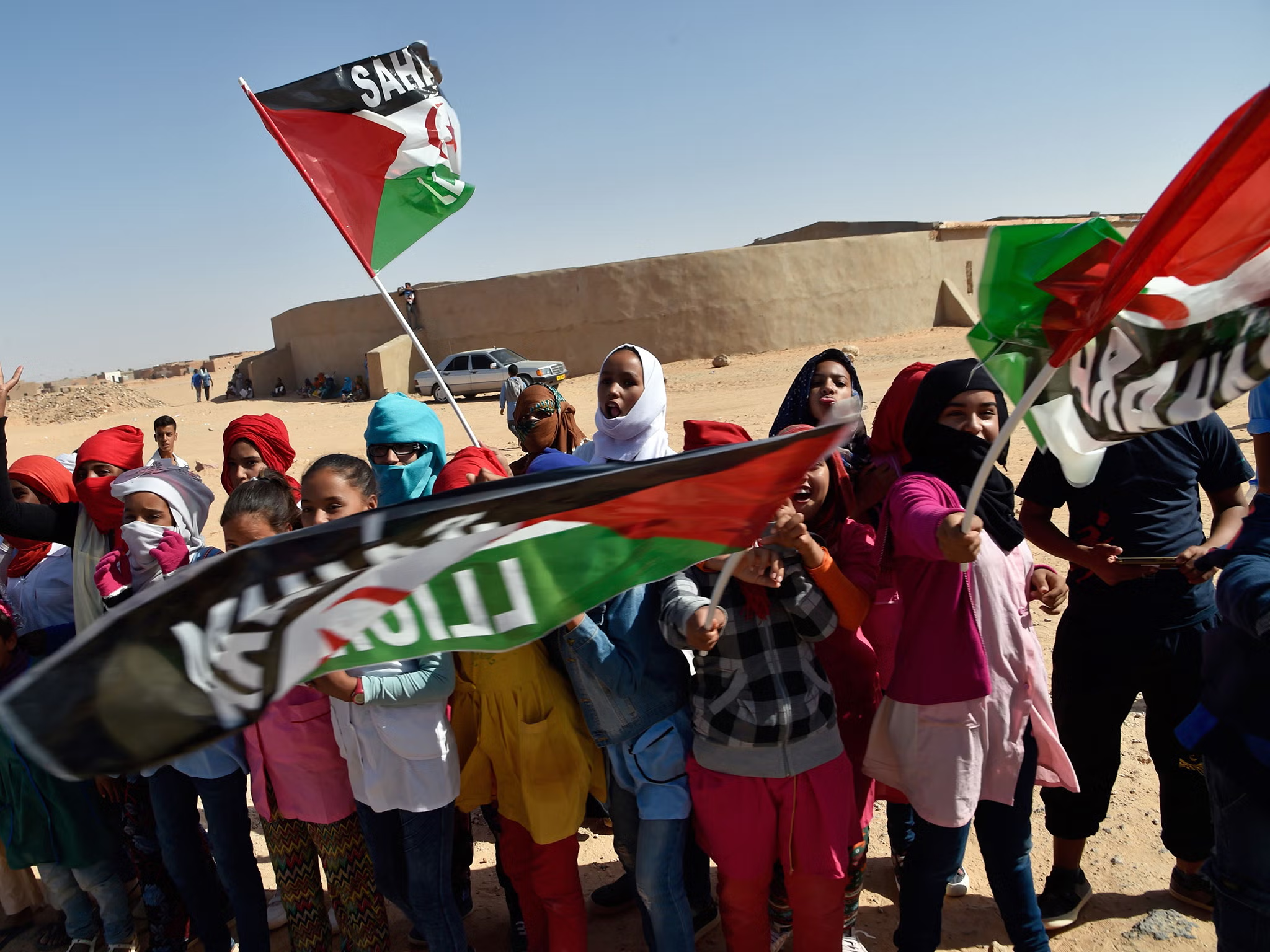
That political reality has direct consequences for rehabilitation and assistive technology. In practical terms, any O&P or rehabilitation profile of Western Sahara has to consider two linked but distinct environments: the population inside the disputed territory itself, and the large Sahrawi refugee population living in camps near Tindouf in southwest Algeria. UNICEF says an estimated 173,600 Sahrawi refugees live in five camps near Tindouf and remain heavily dependent on humanitarian aid for survival. UNHCR separately notes that it works with 90,000 of the most vulnerable among the Sahrawi refugee population in Algeria.
This distinction matters because Western Sahara’s rehabilitation need is less about a mature domestic O&P market and more about humanitarian access, continuity of care, assistive technology availability, and disability-inclusive support systems. In the camps, decades of displacement, harsh desert conditions, underfunding, and fragile infrastructure all affect service delivery. UNICEF describes the refugees as facing worsening pressure from food and fuel inflation, water scarcity, and extreme weather, while UNHCR has previously documented severe flood damage affecting shelters, schools, clinics, hospitals, and even centres for disabled people in the camps.
Why Western Sahara matters for prosthetics and orthotics
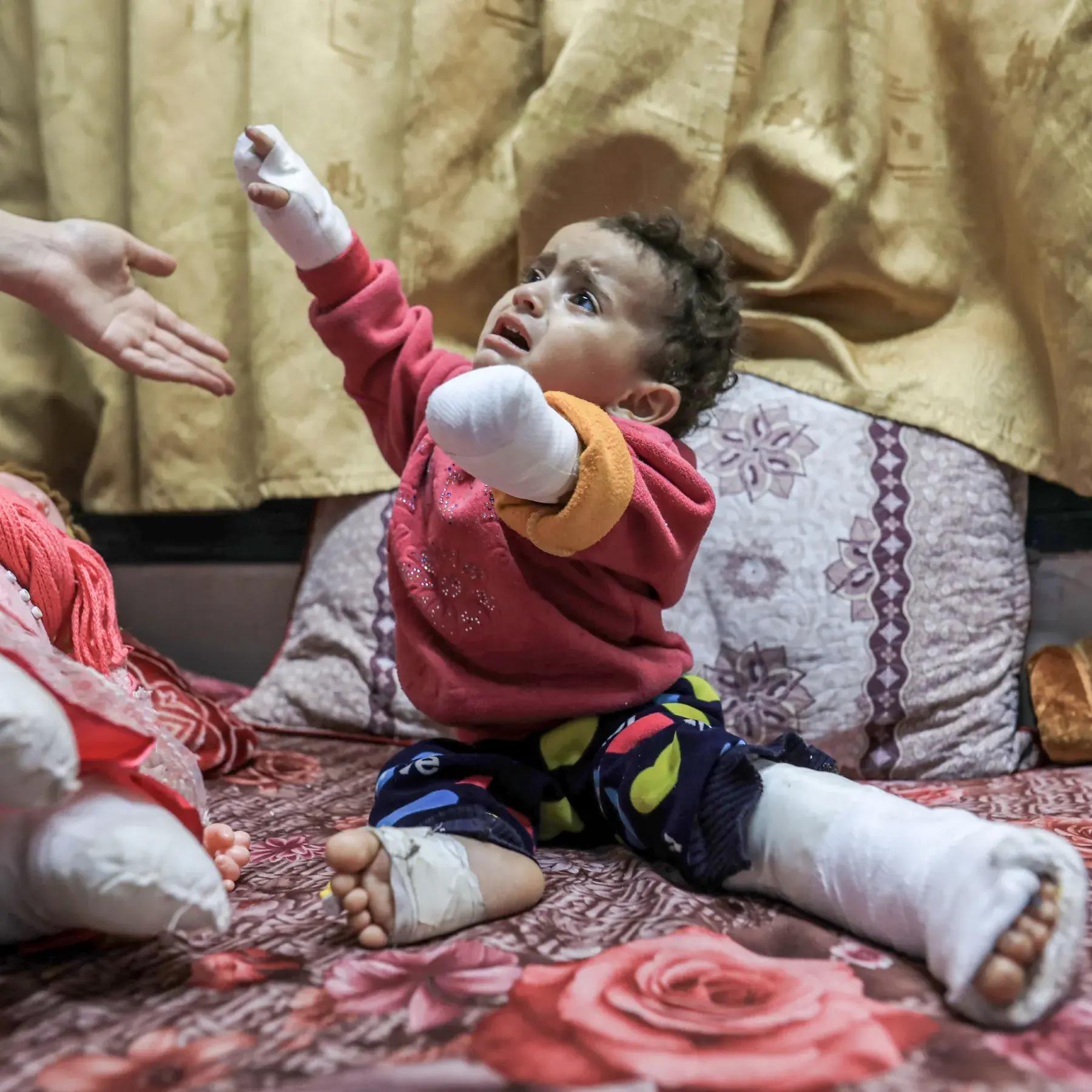
For the O&P sector, the most important rehabilitation driver in the Western Sahara context is conflict- and mine-related disability, especially among Sahrawi communities affected by explosive remnants of war. MINURSO states that one of its continuing roles is mine action to reduce the threat of explosives left behind by the war. Historical Landmine Monitor reporting has described Western Sahara as having a significant population of mine and ERW survivors, with estimates of total casualties since 1975 reaching up to around 2,500 people, though precise and up-to-date totals remain difficult to verify. The same reporting noted that survivor assistance and physical rehabilitation have long been essential needs.
For IMEA CPO readers, that means Western Sahara should be viewed primarily as a victim-assistance and disability-support environment. The strongest needs are likely to be in:
- prosthetic services for amputees
- mobility aids
- physiotherapy and long-term physical rehabilitation
- assistive products for daily functioning
- maintenance and replacement pathways for devices already in use
This is not a speculative technology story. It is a long-duration humanitarian rehabilitation story shaped by survivor care, displacement, and interrupted service systems. That interpretation follows directly from MINURSO’s mine-action mandate and the historical record of mine/ERW survivor need.
A market defined more by humanitarian need than by procurement scale
Unlike larger North African markets such as Morocco, Algeria, or Tunisia, Western Sahara does not present as a classic hospital procurement or clinic-expansion opportunity. Even basic demographic and health-system data are sparse. UN-derived population estimates compiled from the UN Population Division put the territory’s population at roughly 600,000 to 611,000 in 2025–2026, but those figures do not tell the full rehabilitation story because the Sahrawi population is split between the territory and long-standing refugee camps in Algeria.
That makes Western Sahara unusual from an O&P perspective. The key issue is not simply whether there is “market demand” in the commercial sense. There clearly is functional need. The question is whether rehabilitation services, assistive products, and prosthetic support can be delivered consistently across a politically divided and humanitarianly stressed landscape. In that sense, Western Sahara is better analysed as a humanitarian access case than as a normal country market. This is an inference, but it is strongly supported by the UN’s own framing of the territory and the refugee response.
The refugee-camp reality
The Sahrawi camps near Tindouf are central to any realistic profile. UNICEF describes them as one of the world’s longest-standing refugee crises. The camps face chronic dependence on humanitarian assistance, environmental stress, and service fragility. In a setting like this, rehabilitation and assistive technology are not just specialist services; they are part of basic human functioning and inclusion. UNHCR and WHO’s 2024 guidance on facilitating access to assistive technology and rehabilitation in refugee settings is therefore especially relevant here, because it emphasizes coordinated planning for assistive products and rehabilitation services in precisely these kinds of constrained humanitarian environments.
This has several implications for the O&P field. First, durability and maintainability matter as much as innovation. Second, repair, follow-up, and replacement can be just as important as first-time fitting. Third, products and services need to work in harsh desert conditions and in systems with uneven access to specialised staff. Those are reasoned inferences from the camp context UNICEF and UNHCR describe.
Key opportunities for IMEA CPO readers
Humanitarian prosthetic and orthotic support
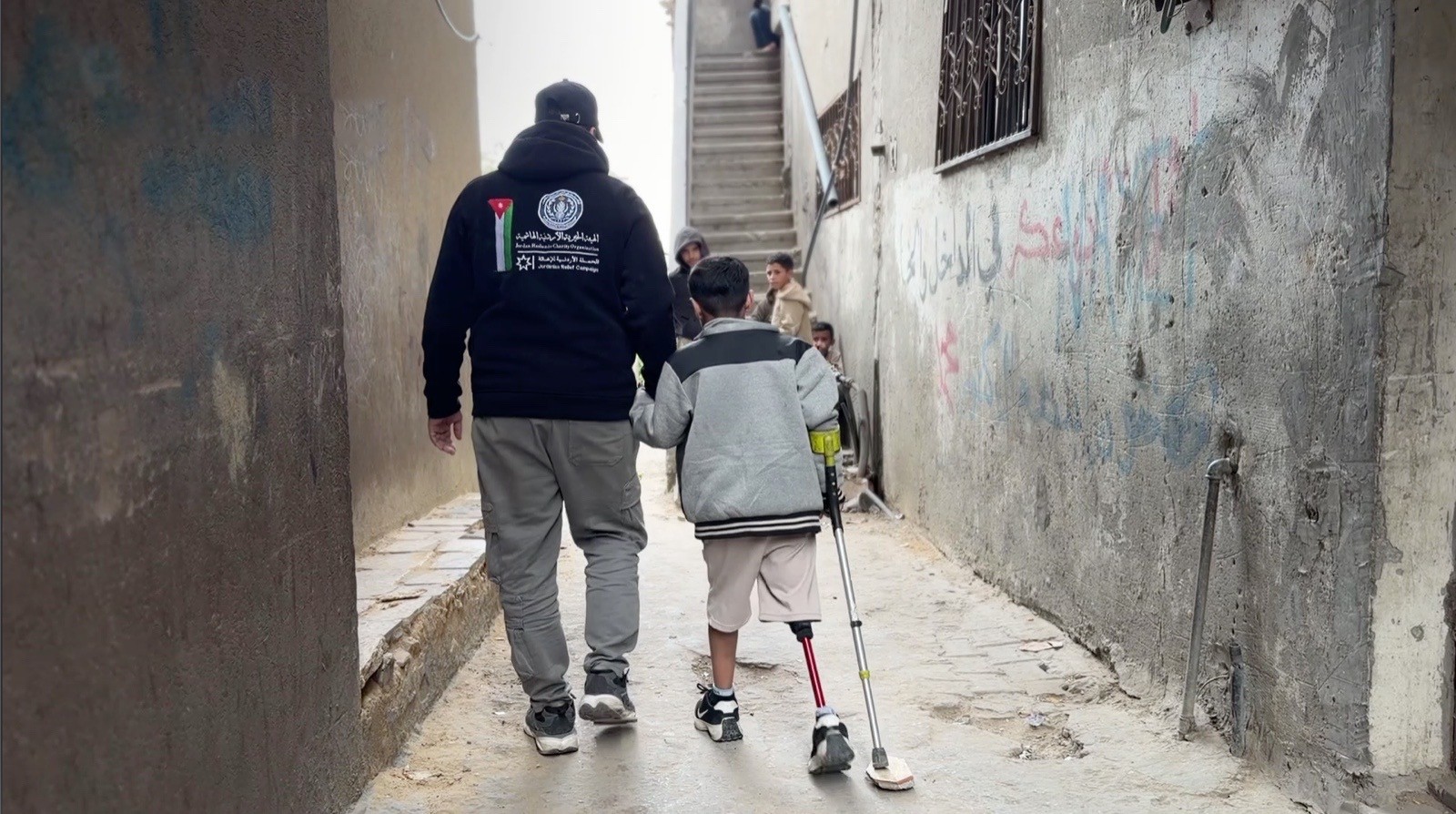
Western Sahara’s clearest O&P relevance is in humanitarian prosthetic and orthotic provision for displaced and conflict-affected populations, especially survivors of mine and explosive remnants of war.
Assistive technology access
WHO notes that assistive products such as prostheses, walking aids, and related devices are essential for maintaining functioning and independence, particularly in disability-affected settings. In Western Sahara, access rather than innovation is the key challenge.
Rehabilitation system strengthening in refugee settings
UNHCR and WHO’s joint 2024 guidance suggests a route toward more coordinated rehabilitation and assistive technology planning in displacement contexts. For NGOs, donors, and technical partners, this is probably the most practical framework through which Western Sahara-related rehabilitation support can be expanded.
Mine-survivor and disability-inclusive programming
Because mine contamination remains part of the territory’s lived reality, disability programming linked to survivor assistance remains highly relevant. MINURSO’s continuing mine-action focus reinforces that point.
Main constraints
The constraints are substantial. Western Sahara’s unresolved political status, the division between populations inside the territory and in refugee camps, sparse public health data, difficult geography, and chronic humanitarian funding pressure all make rehabilitation delivery harder. UNHCR says minimum humanitarian standards cannot be met in most sectors for Sahrawi refugees in Algeria because of severe funding shortfalls, while UNICEF describes the camps as increasingly vulnerable to disease outbreaks, food shortages, and climate-related pressures.
For O&P and rehabilitation actors, this means Western Sahara is not a market where success will be driven by premium products or conventional sales strategies. It is a setting where success depends on:
- humanitarian partnerships
- practical logistics
- durable devices
- follow-up capability
- repair and maintenance pathways
- integration with broader refugee health and disability programmes
That conclusion is an inference, but it is the most realistic one based on the current evidence base.
Bottom line
Western Sahara is less a standard O&P market than a long-term humanitarian rehabilitation environment. Its relevance to IMEA CPO readers lies in survivor care, assistive technology access, refugee health systems, and the challenge of sustaining prosthetic and rehabilitation support in one of the region’s most politically and operationally complex settings. For anyone working in humanitarian prosthetics, disability inclusion, mine-survivor support, or refugee rehabilitation, Western Sahara remains highly important — not because it is commercially large, but because the need is persistent, structurally difficult, and easy to overlook.
- MINURSO background on Western Sahara
- MINURSO mandate and mine-action role
- UNICEF: Humanitarian response for Sahrawi refugee children and their families
- UNHCR Algeria overview including Sahrawi refugees
- UNHCR/WHO 2024 guidance on assistive technology and rehabilitation in refugee settings
- Landmine Monitor 2025