 By
By
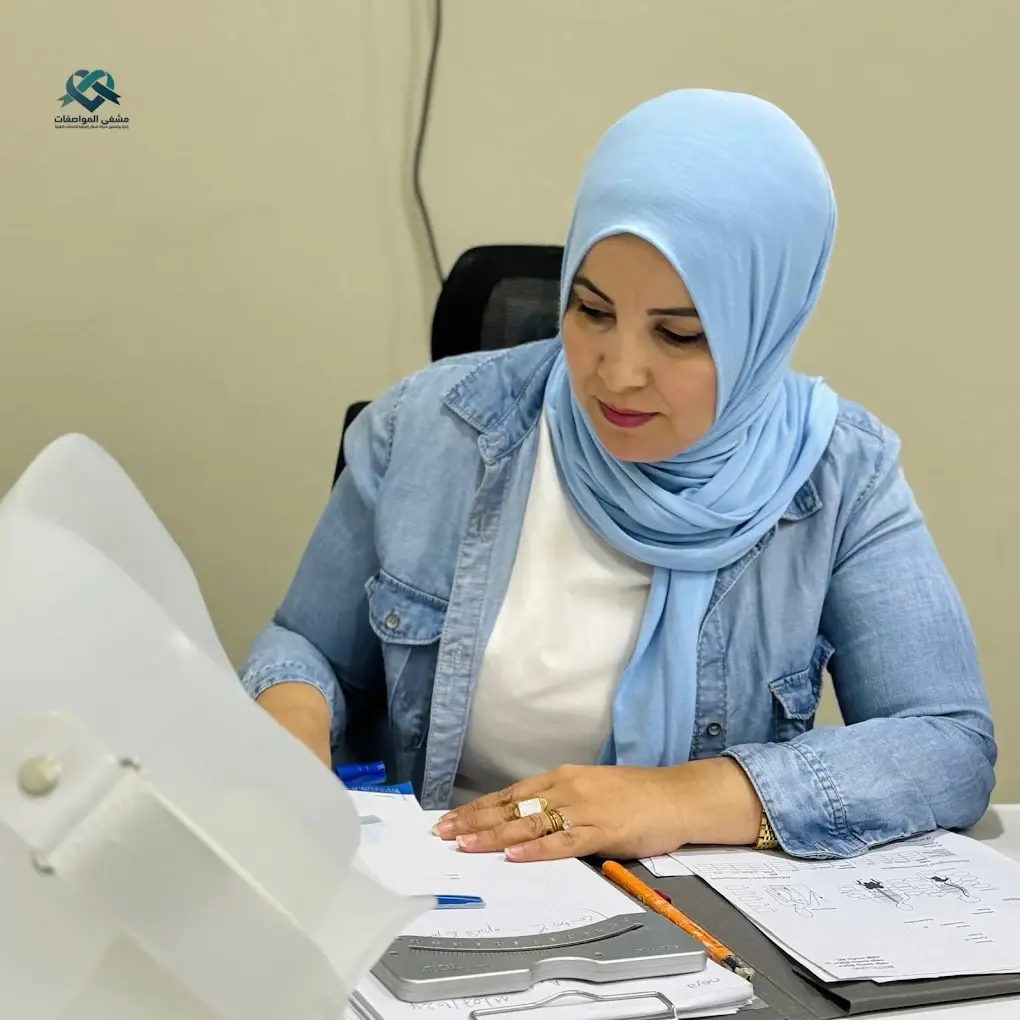
Tunisia may not be one of the largest markets in the IMEA region by population, but it remains a strategically important country for rehabilitation, prosthetics, orthotics, and assistive technology in North Africa.
With a population of about 12.3 million, a largely urbanised population, and a health system facing growing long-term pressure from noncommunicable diseases, Tunisia sits at the intersection of rising rehabilitation demand and relatively structured clinical capacity compared with many neighbouring markets. WHO’s country data lists Tunisia’s population at 12.2 million in 2023, current health expenditure at 6.97% of GDP in 2021, and classifies the country as lower-middle income within the WHO Eastern Mediterranean Region.
For the O&P sector, Tunisia’s opportunity is not driven by war-related trauma at the same scale seen in some other IMEA markets. Instead, the demand picture is shaped more heavily by diabetes, vascular disease, musculoskeletal conditions, stroke, ageing, and road traffic injury, all of which create long-term need for orthoses, prosthetic care, rehabilitation, mobility aids, and assistive technology services. WHO EMRO reported in September 2025 that nearly 86% of deaths in Tunisia are linked to noncommunicable diseases, including cardiovascular disease, chronic respiratory disease, diabetes, and cancer.
That matters because rising NCD burden usually translates into rising rehabilitation burden. Tunisia’s own published rehabilitation literature points in the same direction. A 2024 update on inpatient rehabilitation access in Tunisia found that the country had only 11 inpatient rehabilitation departments in 2023, with 1,152 beds, equivalent to about 9.9 rehabilitation beds per 100,000 inhabitants, and with a major concentration of capacity in coastal and eastern regions. The authors described substantial territorial disparities and limited access in some parts of the country.
For IMEA CPO readers, that combination is important: Tunisia has real rehabilitation infrastructure, but not enough of it to fully meet current and future need. That creates a market environment in which orthotists, prosthetists, physiatrists, physiotherapists, wound specialists, and assistive technology providers can all play a greater role, especially where services help reduce downstream disability and hospital burden. This is an inference based on the published mismatch between disease burden and rehabilitation bed availability.
Why Tunisia matters for prosthetics and orthotics
One of the clearest opportunities in Tunisia is diabetic foot care and limb preservation. Local research has highlighted a significant burden of diabetes-related complications. A 2024 Tunisian study reported that diabetes prevalence had increased from 15.5% in 2016 to 23% by 2023, while a separate Tunisian outpatient study on diabetic foot ulcer risk found substantial proportions of patients already falling into higher-risk categories for ulceration.
For the O&P sector, this points directly to demand for:
- protective footwear
- custom diabetic insoles
- offloading orthoses
- ankle-foot orthoses for neuropathic or gait-impaired patients
- post-amputation rehabilitation and prosthetic services
Tunisia’s diabetic foot research also suggests a preventable education gap. One local study found that 74.7% of diabetic patients surveyed had no idea about the impact of diabetes on the foot, with many errors in daily foot care practice.
That is commercially and clinically important. In a market like Tunisia, providers that combine screening, education, orthotic offloading, footwear, and referral pathways may be better positioned than businesses focused only on late-stage device supply.
Rehabilitation demand drivers
Tunisia’s rehabilitation economy is also likely to be shaped by stroke, musculoskeletal disease, rheumatology, and traffic injury. Although traffic injury data quality has been a challenge historically, WHO EMRO has highlighted Tunisia’s efforts to improve national road safety data systems and noted that the northern region alone accounts for a large share of fatal and non-fatal road crashes.
This matters for orthotics and prosthetics because road trauma, neurological injury, and complex musculoskeletal impairment often create long-term needs for:
- lower-limb bracing
- upper-limb splinting
- mobility aids
- post-trauma rehabilitation
- prosthetic care after severe limb injury or amputation
At the same time, Tunisia’s rehabilitation system remains relatively medically anchored, with strong traditions in physical medicine and rehabilitation (PMR) and inpatient services. That can be an advantage for higher-quality multidisciplinary care, but it can also mean that the orthotics and assistive technology sectors need stronger integration into broader treatment pathways to realise their full impact. This is an inference drawn from the published emphasis on inpatient rehabilitation structures and Tunisia’s PMR-oriented service model.
Market characteristics
Tunisia is not a volume market on the scale of Egypt or Algeria, but it has several characteristics that make it attractive for targeted O&P growth.
First, it has a relatively concentrated geography and urban population, which can support hub-based service delivery centred around Tunis, Sfax, Sousse, and other major urban areas. WHO-linked population data show that Tunisia is predominantly urban, which generally supports more efficient access to specialist clinics and centralized fabrication models.
Second, the country has a reasonably visible academic and rehabilitation culture, which can support:
- PMR and rehabilitation partnerships
- diabetic foot clinics
- orthotic referral pathways
- assistive technology pilots
- clinician education and outcome-driven services
Third, Tunisia’s need profile is highly aligned with practical orthotics and rehabilitation solutions, rather than only premium imported component sales. In other words, the strongest commercial opportunities may lie in foot orthotics, diabetic care, stroke and neuro orthotics, mobility aids, splinting, and selected prosthetic services, rather than only in high-end microprocessor component markets.
Key opportunities for IMEA CPO readers
For suppliers, clinics, and manufacturers looking at Tunisia, the most promising areas appear to be:
Diabetic foot and limb preservation
With diabetes prevalence rising sharply and local studies showing risk factors and educational gaps, Tunisia offers a strong case for structured diabetic foot programmes, custom insoles, offloading devices, and protective footwear.
Neurorehabilitation and stroke-related orthotics
Given the broader NCD burden and rehabilitation demand, there is likely to be continued need for AFOs, hand splints, mobility support, and multidisciplinary rehabilitation products. This is a reasoned inference from Tunisia’s NCD-heavy health profile and rehabilitation infrastructure.
Assistive technology integration
WHO stresses that rehabilitation and assistive technology should be available at all levels of care and notes that more than half of people in the Region do not receive the rehabilitation services they need. Tunisia’s bed and facility constraints suggest room for expansion in community and outpatient assistive services.
Regional North Africa positioning
Tunisia can also be viewed as a manageable North African entry market for companies wanting to build partnerships in rehabilitation, foot care, orthotics, or assistive technology before scaling more widely.
Main constraints
The challenges are real.
Tunisia’s rehabilitation access remains uneven, with geographic disparities in inpatient services and concentration of beds in some regions.
The wider economy has also faced financing pressure in recent years, which may constrain large-scale public procurement growth and reinforce the need for cost-effective, clinically defensible solutions rather than premium-only offerings. Reuters reported in late 2025 that Tunisia continued to face significant fiscal and financing pressures going into 2026.
For O&P businesses, that means success is likely to depend on:
- value-focused product positioning
- integration with rehabilitation pathways
- strong clinician education
- practical evidence of outcomes
- distribution models that fit public and mixed-pay markets
Bottom line
Tunisia is a smaller but strategically interesting O&P and rehabilitation market where the strongest opportunities lie in diabetic foot care, practical orthotics, assistive technology, and rehabilitation-linked services rather than purely premium component sales. Its high NCD burden, limited but meaningful rehabilitation infrastructure, and urban concentration create a setting where smart, clinically grounded providers could build durable positions. For IMEA CPO readers, Tunisia is not the largest market to watch — but it may be one of the more practical and under-discussed ones in North Africa.
- WHO Tunisia country health data
- WHO EMRO: Tunisia steps up the fight against noncommunicable diseases
- Update on access to inpatient rehabilitation facilities across Tunisia in 2023
- Risk assessment for foot ulcers among Tunisian subjects with diabetes
- Prevalence of chronic kidney disease in Tunisian diabetics: TUN-CKDD survey