

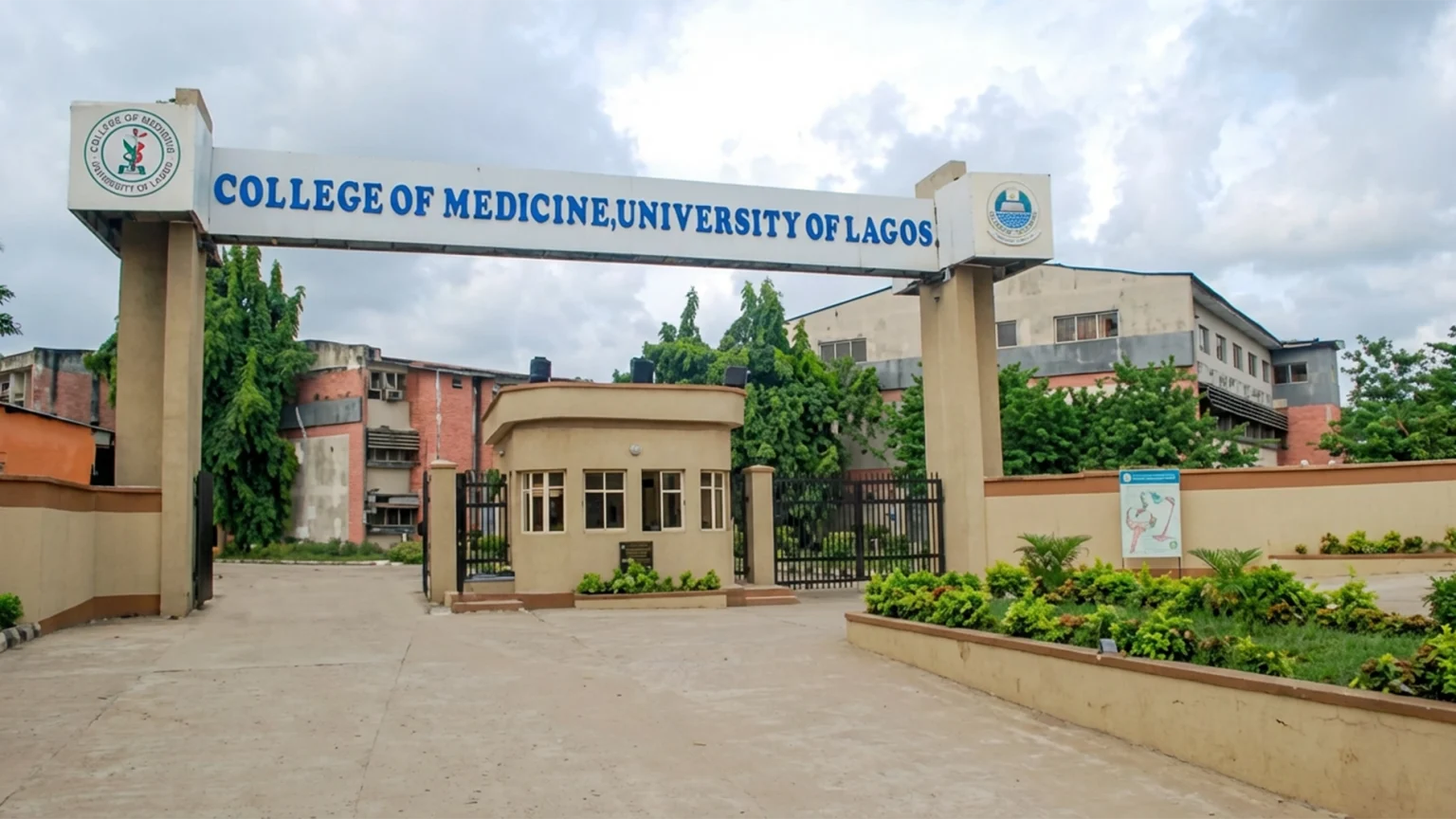
The College of Medicine, University of Lagos has announced plans to expand into prosthetics and orthotics as part of a wider strategy to develop its healthcare education and clinical capabilities.
Professor Ademola Oremosu, Provost of the College of Medicine, University of Lagos, disclosed the plan during the institution’s inaugural 2026 College Week, held from 2 to 8 October.
According to the announcement reported by The Guardian Nigeria, the College intends to develop new areas of healthcare education over the next five years, including prosthetics and orthotics, occupational therapy, speech therapy and audiology. guardian.ng
The proposal remains at the planning stage. Details such as the intended qualifications, admission schedule, clinical partnerships, accreditation pathway and facilities have not yet been announced. Nevertheless, the involvement of one of Nigeria’s major medical colleges could significantly strengthen the country’s rehabilitation workforce.
Bringing P&O into a multidisciplinary medical environment
Locating prosthetics and orthotics within a college of medicine can create valuable connections between P&O education and other healthcare disciplines.
Prosthetists and orthotists routinely work alongside:
- Orthopaedic and trauma surgeons
- Rehabilitation physicians
- Physiotherapists
- Occupational therapists
- Neurologists and neurosurgeons
- Paediatricians
- Diabetic-foot and wound-care teams
- Plastic and vascular surgeons
- Nurses, psychologists and social workers
Students who train within a multidisciplinary medical environment can develop a better understanding of the complete patient pathway, from diagnosis and surgery to device prescription, rehabilitation and community participation.
This is particularly important for complex conditions such as cerebral palsy, clubfoot, limb loss, spinal deformity, diabetic-foot disease, stroke, neuromuscular disorders and conflict- or accident-related trauma.
A strong CMUL programme could therefore extend beyond teaching fabrication skills. It could help prepare clinicians to participate confidently in assessment, clinical decision-making, research and multidisciplinary care.
Addressing Nigeria’s workforce needs
Nigeria’s large and growing population creates considerable demand for prosthetic, orthotic and assistive-technology services. Yet access remains uneven, with specialist services concentrated in a limited number of institutions and urban centres.
Developing another university-level pathway could increase the number of qualified professionals while raising the visibility of P&O as an autonomous clinical profession.
Nigeria already has institutions contributing to professional education. The University of Medical Sciences in Ondo operates a Department of Prosthetics and Orthotics within its Faculty of Medical Rehabilitation and offers a Bachelor of Prosthetics and Orthotics programme. It also provides a conversion route for eligible Higher National Diploma holders. unimed.edu.ng
The Federal University of Health Sciences, Ila-Orangun also lists Prosthetics and Orthotics among its degree programmes, while other institutions are developing or seeking verification for new programmes. Home
CMUL’s proposed expansion should complement these institutions rather than operate in isolation. Collaboration could support shared teaching resources, educator development, clinical placements and national standards.
Infrastructure must match the ambition
Establishing a credible P&O department requires more than adding a programme title to a prospectus.
Students need access to appropriately equipped clinical and technical facilities, including:
- Patient-assessment rooms
- Gait and movement-analysis resources
- Plaster and casting areas
- Thermoplastic fabrication equipment
- Prosthetic and orthotic workshop machinery
- Alignment and fitting equipment
- Sewing, leather and footwear facilities
- Component and material storage
- Digital scanning and CAD software
- CNC milling or additive-manufacturing workflows
- Safe dust extraction and occupational-health systems
- Clinical skills laboratories
- Supervised patient exposure
A programme must also recruit qualified prosthetist-orthotist educators. This may be one of the greatest challenges because expanding student numbers without sufficient teaching and supervision could weaken training quality.
Professor Oremosu referred to a proposed “Diaspora bridge programme” through which Nigerians who have developed their professional capacity abroad could contribute to the national system. guardian.ng
For P&O, this approach could bring experienced clinicians, educators and researchers into curriculum development, visiting lectures, mentorship, research supervision and specialist clinical teaching.
However, diaspora input should strengthen permanent local faculty rather than substitute for it.
Accreditation and professional alignment
Any new programme will require engagement with Nigeria’s relevant university and professional authorities.
The curriculum should define the graduate’s clinical scope, competencies and pathway towards registration. It should also incorporate sufficient supervised clinical practice in both prosthetics and orthotics.
International Society for Prosthetics and Orthotics education standards could provide an additional quality benchmark. ISPO supports programme and faculty development and offers voluntary accreditation against internationally accepted education standards. ISPO
International recognition should not mean importing a curriculum without adaptation. Nigerian graduates must be equipped for local realities, including:
- Limited reimbursement and high levels of self-payment
- Rural and community-based service delivery
- Maintenance and repair constraints
- Heat, humidity and demanding environmental conditions
- Availability and cost of components
- Late presentation and complex deformity
- Diabetes-related amputation
- Trauma and road traffic injury
- Paediatric disability
- The need for durable, repairable and affordable devices
The strongest programme would combine international competency standards with technology and service models appropriate to Nigeria.
Research opportunities
As a major medical and research institution, CMUL could also expand Nigeria’s evidence base for P&O.
Potential research priorities include:
- National and regional demand for prosthetic and orthotic services
- Diabetic-foot prevention and limb preservation
- Outcomes following lower-limb amputation
- Paediatric orthotic interventions
- Clubfoot services
- Stroke-related orthotic management
- Locally sourced materials
- Low-cost component design
- Digital scanning and fabrication
- 3D-printed orthoses and prosthetic sockets
- Device durability in Nigerian conditions
- Patient satisfaction and abandonment
- Health economics and reimbursement
Research should be conducted with practising professionals and device users. Technical innovation is valuable only when it produces safe, functional and sustainable benefits for patients.
Clinical placements will be critical
P&O is a hands-on profession. Classroom teaching and workshop demonstrations cannot replace supervised clinical experience with real patients.
CMUL will need partnerships with teaching hospitals, rehabilitation centres, private O&P providers, non-governmental organisations and community programmes.
Placements should expose students to the full service pathway:
- Patient assessment
- Prescription and goal setting
- Measurement or scanning
- Design and fabrication
- Fitting and alignment
- Functional training
- Follow-up and adjustment
- Repair and replacement
- Outcome measurement
Students should also encounter different service environments rather than training only within a single urban teaching hospital.
A significant opportunity for Nigerian rehabilitation
CMUL’s proposal is encouraging, but its impact will depend on how the plan is implemented.
The strongest outcome would be a properly accredited, adequately funded and clinically integrated department—not simply a small technical course attached to a larger medical institution.
Priorities should include:
- Early engagement with Nigeria’s P&O profession
- Recruitment and development of qualified faculty
- Investment in clinical and workshop infrastructure
- Formal placement agreements
- A clear accreditation pathway
- Collaboration with existing universities
- Participation by prosthetic and orthotic users
- Research linked to Nigerian health priorities
- Balanced teaching of conventional and digital fabrication
- Long-term funding for the programme
If these foundations are established, the College of Medicine, University of Lagos could make a substantial contribution to Nigeria’s rehabilitation workforce and help improve access to clinically appropriate prosthetic and orthotic services.
- The Guardian Nigeria: CMUL Plans Prosthetics and Orthotics Departments
- College of Medicine, University of Lagos
- UNIMED Department of Prosthetics and Orthotics
- Federal University of Health Sciences, Ila-Orangun
- ISPO Education Standards
- Nigerian Prosthetic, Orthotic and Orthopaedic Technology Society