

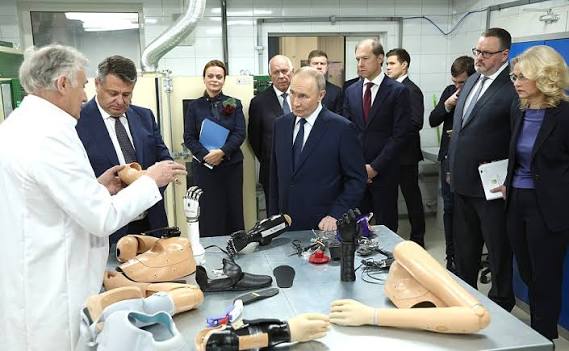
Russia prosthetic imports from Germany reached €41.2 million in the first half of 2026, about 5.4 times the 2021 level, according to Forbes Russia’s analysis of Eurostat data, as reported by Meduza on 28 October 2026. The figure covers prosthetic arms and legs and related components, and sits alongside a similar rise in artificial joints.
What do the German export figures show?
Per the report, German exports of prostheses and endoprostheses to Russia totalled €79 million in the first half of 2026, almost a third more than a year earlier. Of that, €41.2 million was prosthetic arms and legs plus components, and €37.8 million was endoprostheses such as artificial hip and knee joints. Endoprosthesis exports were 6.1 times the 2021 level.
For the European Union as a whole, exports of prostheses and endoprostheses to Russia came to €144.9 million in the first half of 2026, compared with €66.5 million in the first half of 2021.
Why is demand rising in Russia?
The report cites Russian Labor Ministry and Rostec figures and expert comment. In 2024 the state issued 152,661 prosthetic arms and legs to people with disabilities, the highest annual number in a decade. Rostec says younger people accounted for about 8% of prosthesis needs before 2022 and 15 to 20% by 2025, with most of them wounded in the war in Ukraine.
Russian-made products are reported to make up about 80% of the market by number of units but only around 30% by value. Imports supply up to 70% of the market for expensive, high-tech components. Experts quoted say production of the more complex devices younger patients need has historically developed more slowly.
IMEA CPO Perspective
The following is IMEA CPO analysis, not a claim made in the source report. Russia lies outside IMEA CPO’s core coverage, but the data illustrate a pattern relevant to clinics and suppliers across the region: the value of a prosthetics market is concentrated in advanced components, and local manufacturing often serves volume rather than complexity. Where demand rises quickly, particularly among younger and more active users, reliance on imported componentry rises with it.
For CPOs, the practical lesson is that component supply, fitting capacity and follow-up care must grow together. The report is based on trade statistics and ministry figures it cites; it does not describe clinical outcomes, device types by category, or service capacity, so conclusions about care quality should not be drawn from it.
Frequently asked questions
How much did Germany export to Russia in prostheses? The report puts German exports of prostheses and endoprostheses at €79 million in the first half of 2026, of which €41.2 million was prosthetic arms and legs and components.
Where do the numbers come from? Forbes Russia analysed Eurostat data; Meduza reported the findings. Domestic market figures are attributed to the Russian Labor Ministry and Rostec.
Do imports dominate the Russian market? Not by volume: Russian-made products are about 80% of units. By value, imports supply up to 70% of the high-tech component market, the report says.
Suggested hyperlinks / sources
- Source: Meduza, Russia imports five times more prosthetic arms and legs from Germany than before the war
- Embla Medical posts 4% organic Q3 growth as EMEA O&P leads
- More O&P business news on IMEA CPO