 By
By
Today, thanks to recent technological advancements and the work of various humanitarian initiatives, 3D printing promises to improve the lives of millions of amputees across the world. This comes as cause for optimism, especially in developing countries such as The Gambia, where amputations are relatively common. The work of Gambian organizations such as Make3D, specialists in printed prosthetics, means that amputation does not have to signal a life of social ostracization and lesser opportunity.
Disability and poverty in The Gambia are perpetual issues. One of the smallest countries in Africa, The Gambia has one of the most vulnerable economies on the continent. Rain-fed agriculture employs around 70% of the population, meaning the livelihood of many lives and dies with the country’s climate. Poverty levels are high. In fact, according to the Gambia Poverty & Gender Assessment 2022, 53.4% of Gambians lived below the national poverty line in 2020. Amputees catch the brunt of this trend due to the labor-intensive nature of farming, which offers few opportunities to those with physical disabilities.
Reasons for High Numbers of Amputations in The Gambia
Experts cite the country’s complex and divergent cultural makeup as one of the reasons for the high incidence of disability and poverty in The Gambia. Colonial and Gambian native histories converge in many ways. According to scientist Ryan Anderson, this coexistence of divergent cultural traditions “is exemplified in The Gambia’s health care system.” Many Gambians prefer to visit traditional healers when seeking treatment for an injury. In fact, many rural communities rely exclusively on the practice of these traditional healers, such is the lean presence of large hospitals in remote regions. These traditional practitioners, while popular, often do not have access to modern facilities or advised levels of sanitation. This results in infections and ultimately the need for amputations in patients.
Dr. Ammar Al Jafari, chief medical director of Edward Francis Small Teaching Hospital, a modern university facility in Banjul, stated that around 70% to 80% of amputation cases at his hospital stem from initial preference for traditional fracture treatments. These patients often seek his hospital’s treatment once infection has set in to an inadequately treated fracture. Speaking to Africa Press in 2024, Dr. Al Jafari said, “If the patient falls today or has an accident today and has a fracture in the bone, if they come on that very day, in one week we can do the operation, but after three months, we cannot do the operation and they will blame the hospital.” Poverty and disability in The Gambia is often perpetuated by the complex national interplay between tradition, regional circumstances and a lack of accessible, modern health care.
Amputations also occur in large numbers in The Gambia thanks to medical conditions such as Type 2 diabetes. According to STAND, an NGO specializing in providing support for Africa’s amputee community, as many as 40% of all amputations in sub-Saharan Africa result from the condition. Thus, disability and poverty in The Gambia stems in many cases, from the prevalence of known and treatable illnesses.
Challenges for People With Disabilities
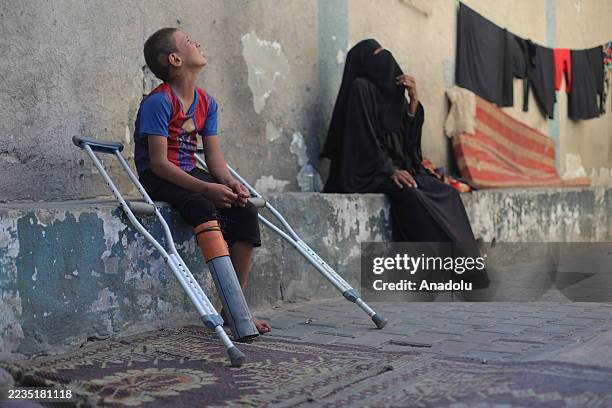
Fatou Nije, president of LEGS (Ladies Empowered for Growth and Success), says, “Here in Gambia, if you are disabled, you face many challenges.” Indeed, many amputees find themselves cut adrift from typical societal institutions such as school and work due to a lack of accessibility and support on offer.
While it exists, assistive technology is not yet widely available, meaning many Gambian amputees are unable to live, work and most importantly, earn with as much independence as their able-bodied compatriots. Families can face destitution if a parent undergoes amputation and is subsequently unable to resume work. The Gambian Amputee Association is the only organization of its kind in the country. It supports around 100 amputees with rehabilitation and social facilities, although there are doubtless many more amputees in need of care and medical attention.
Fighting Against Disability and Poverty
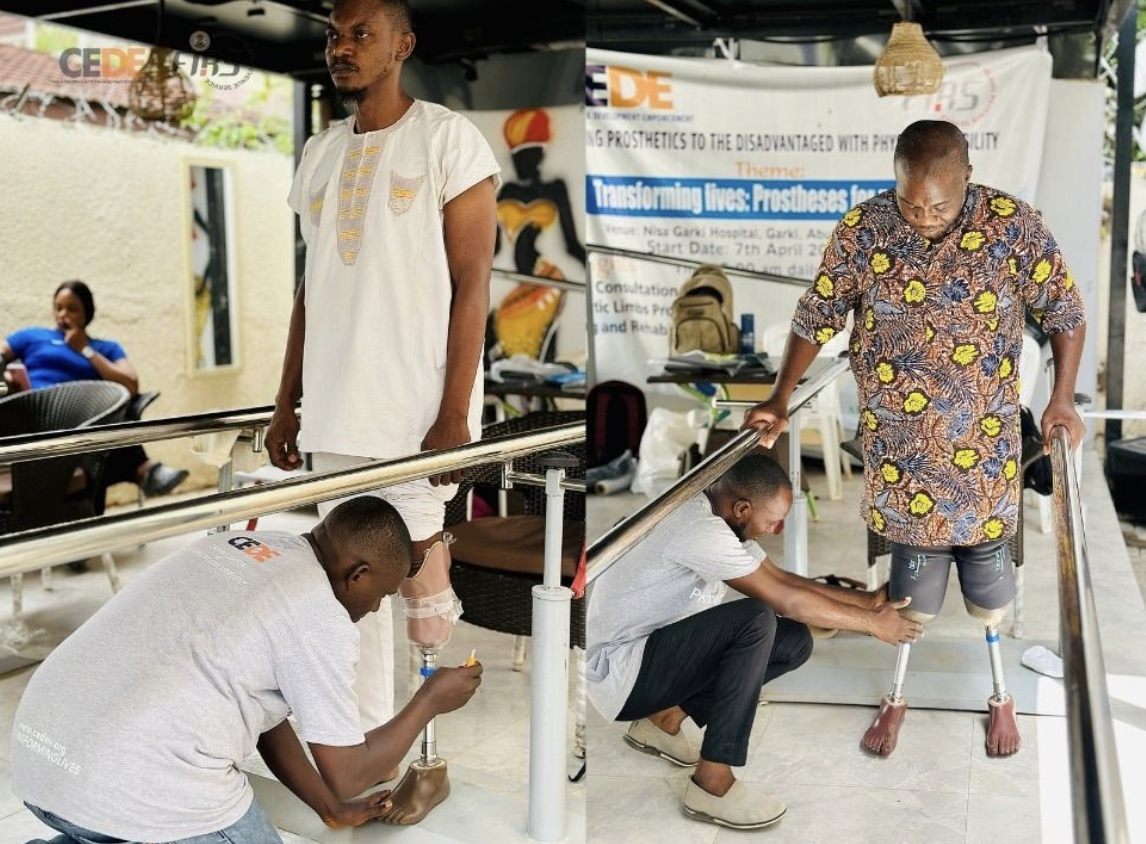
Thankfully, amidst these issues there are certain groups dedicated to the fight against disability and poverty in The Gambia. Most of these efforts focus on improving treatment and opportunities for Gambian amputees. For example, the work of STAND and Make3D is rooted in the supply of prosthetic limbs to Gambian patients in need.
STAND specializes in the provision of refurbished and surplus prosthetics from Europe. These prosthetic limbs, which otherwise would go to waste, the organization rescues and supplies to the people who need them most. Since 2016, the organization has supplied almost 1,000 rescued prosthetics to The Gambia alone, as part of nearly 6,000 total supplied to African countries across the period.
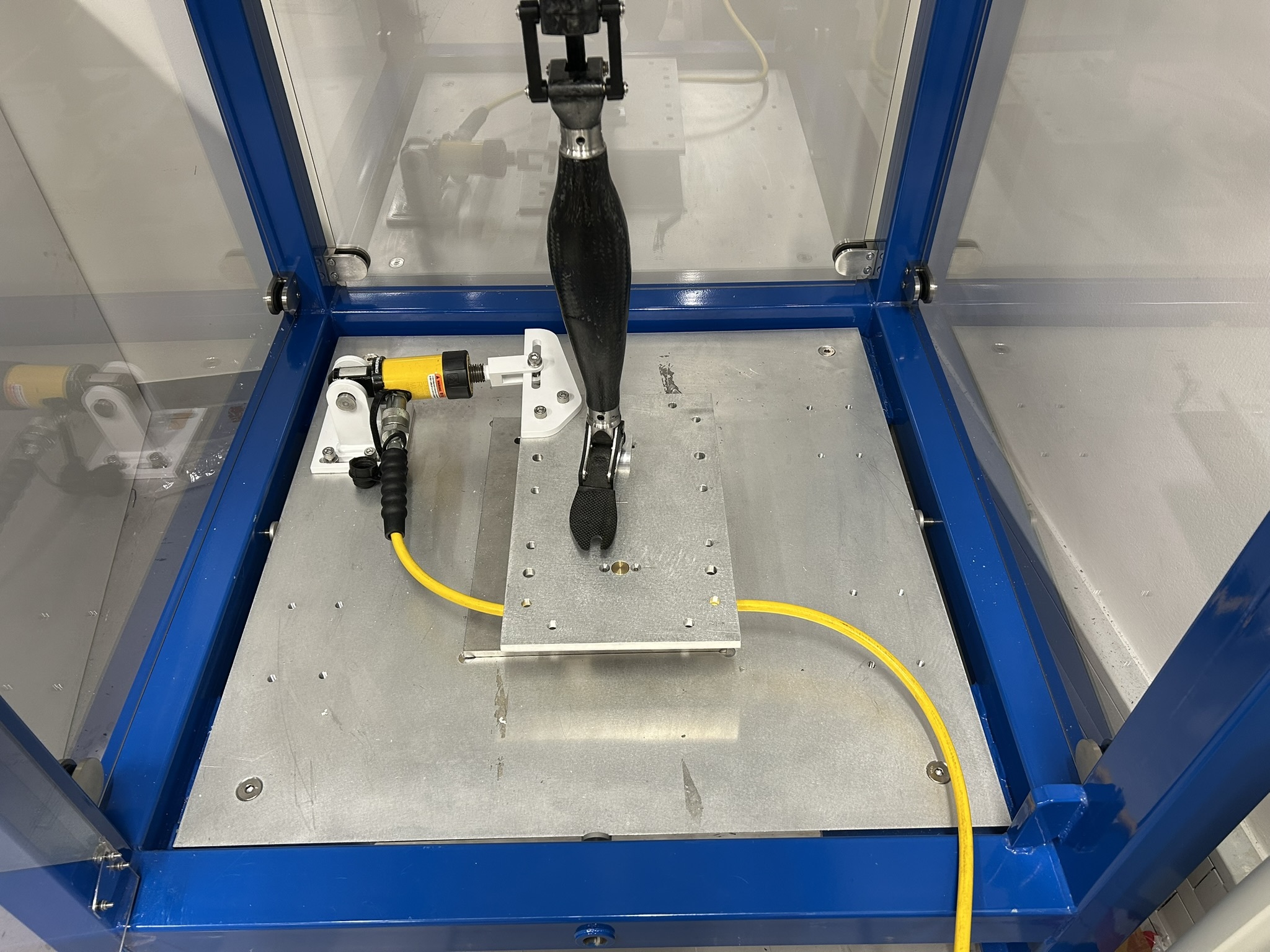
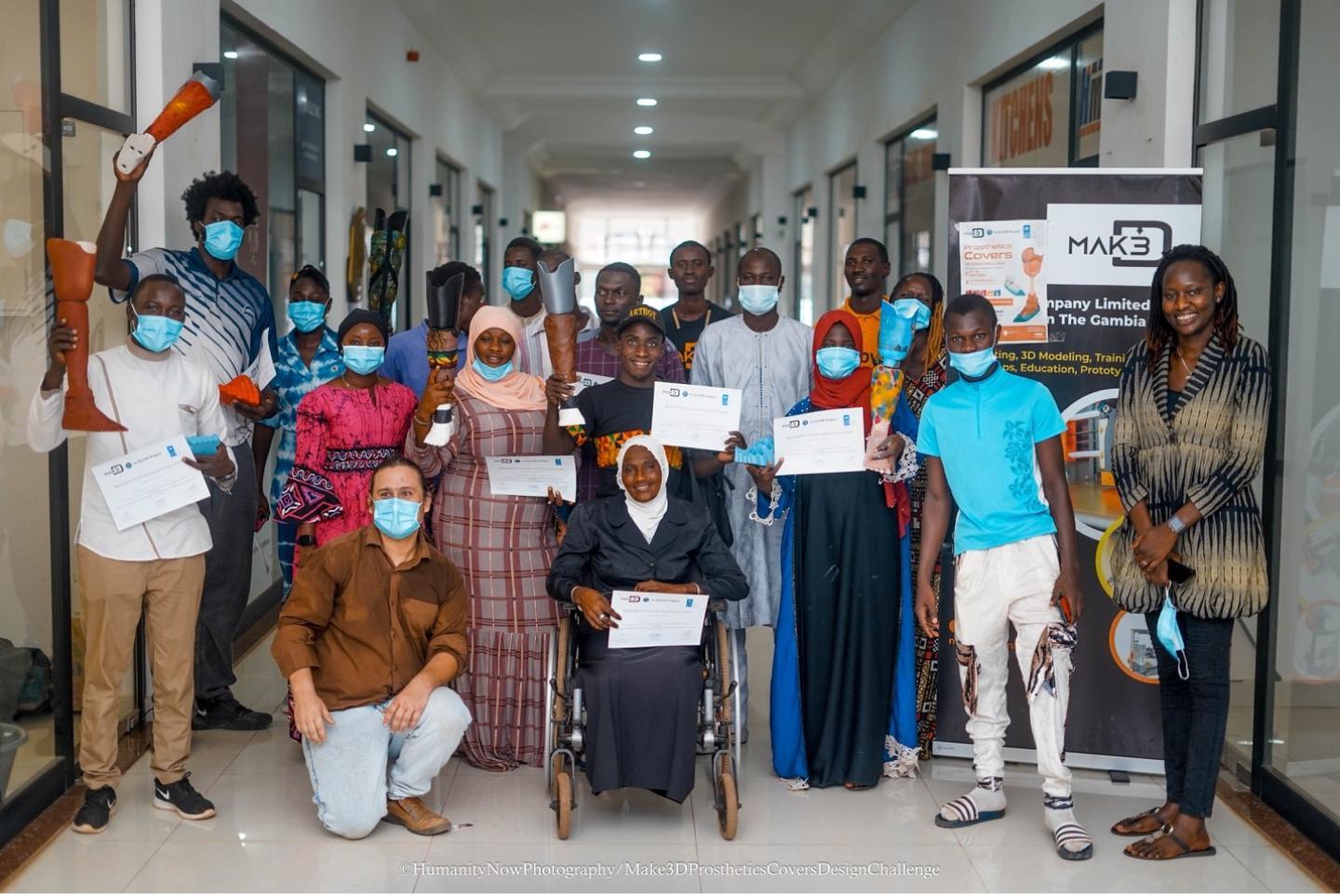
Make3D, on the other hand, deals in the low-cost construction of new, 3D-printed prosthetics, using sustainable materials and small-scale manufacturing processes that allow their products to service the hearts of small communities nationwide. In 2021, the company held a design competition in conjunction with Nottingham Trent University in which the university invited artists to submit designs for new prosthetics utilizing sustainable and local materials. The winner’s design went to production for a small run of prosthetics designed for a select group of grateful, young Gambian beneficiaries.
Looking Ahead
While disability and poverty are prominent in The Gambia, initiatives like these are leading the way in providing a source of hope for the next generation of Gambian amputees. There may very well be a day when the loss of a limb in The Gambia does not condemn a patient to a life of destitution.
– Louis Sartori