 By
By
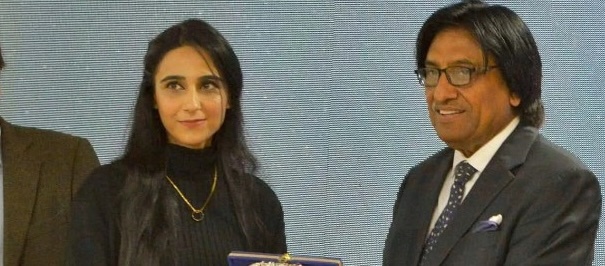
In a major step forward for rehabilitation education in Pakistan, Hufsa Shahzad, a Pakistani orthotist and rehabilitation professional, has authored a groundbreaking new book titled “Principles and Practices of Orthotic Management.”
More than just a personal achievement, this publication represents a national milestone—widely recognized as the first comprehensive orthotics book written by a Pakistani clinician, covering the full spectrum of orthotic care through the lens of Pakistan’s clinical realities.
Why This Book Matters: “Pakistan Didn’t Exist in Those Books”
For decades, Pakistani orthotists, students, and rehabilitation teams have relied heavily on international orthotics textbooks. While these resources are valuable, they often fail to reflect the lived experience of practitioners working in Pakistan.
As the author explains, Pakistan’s unique healthcare landscape has been largely absent from existing literature—from local disease patterns to cultural considerations, and from socioeconomic barriers to limitations in materials and service availability.
In simple terms:
Many international orthotics textbooks explain best practice—but not the reality of practice in Pakistan.
This gap was the motivation behind writing “Principles and Practices of Orthotic Management”: to create a textbook grounded in local clinical context and built for real-world use.
A Truly Comprehensive Resource for Orthotic Care
The book addresses all major orthotic segments, offering structured guidance across:
- Upper limb orthotics
- Lower limb orthotics
- Spinal orthotics
- Burns and post-burn orthotic management
- Clubfoot and pediatric orthotic care
- And other key orthotic categories essential for modern rehabilitation services
This breadth positions the book as a foundational reference for both academic settings and clinical practice.
Designed for Practical Decision-Making in Resource-Limited Settings
One of the most important strengths of this work is its practical focus.
Rather than presenting ideal scenarios, the book aims to support clinicians navigating real constraints—such as limited budgets, inconsistent access to components, varying levels of referral systems, and challenges in long-term patient follow-up.
The author’s goal is to strengthen:
✅ Better patient assessment
✅ Context-appropriate orthotic prescription
✅ Practical clinical decision-making within limited resources
✅ Improved patient outcomes in Pakistani settings
For clinicians working in rehabilitation, prosthetics & orthotics, and allied healthcare disciplines, this kind of localized guidance can directly translate into better mobility, reduced complications, and higher patient satisfaction.
Strengthening Local Knowledge Production in Pakistan
Beyond clinical value, this publication carries deeper academic significance.
It represents a clear shift toward local knowledge development—where Pakistan’s rehabilitation professionals are not only consumers of imported educational materials, but also authors, innovators, and thought leaders contributing to global orthotic science.
This is a powerful statement for Pakistani healthcare education:
- Local clinicians can lead research-informed writing
- Students can learn from material that reflects their patient population
- Institutions can strengthen curriculum relevance
- Pakistan’s rehabilitation system can grow with its own evidence-based foundations
Conclusion: A Milestone for Orthotics and Rehabilitation in Pakistan
With the release of “Principles and Practices of Orthotic Management,” Hufsa Shahzad has delivered a long-needed academic resource that speaks directly to the realities of orthotic care in Pakistan.
It is a book rooted in clinical experience, built for practical use, and driven by a powerful idea:
If orthotic education is to truly serve patients, it must reflect the world those patients live in.
This publication is more than a textbook—it is a step forward for rehabilitation practice, education, and national professional identity.