 By
By
The growing population of older adults living with diabetes faces a quiet epidemic — one that is measured not only in wounds and amputations, but in independence lost. Diabetic foot ulcers in this population are more than a local problem; they are systemic signals of frailty, cognitive decline, and reduced physiologic reserve.
Age, Frailty, and the ‘Hidden Comorbidities’
Studies show that advanced age amplifies nearly every dimension of risk for diabetic foot ulcer, from neuropathy and ischemia to sarcopenia and balance instability. Healing rates decline sharply with age, and postulcer mortality can exceed that of many cancers. These outcomes reflect more than tissue perfusion or infection — they mirror a broader vulnerability of the person as a whole.
Cognitive impairment compounds the problem. Older patients, especially those living alone or with mild dementia, may miss early warning signs or struggle with self-care regimens. Even the best dressings or devices fail if the patient doesn’t use them. This is where the human dimension of medicine becomes most critical.
Designing Technology for Real Life
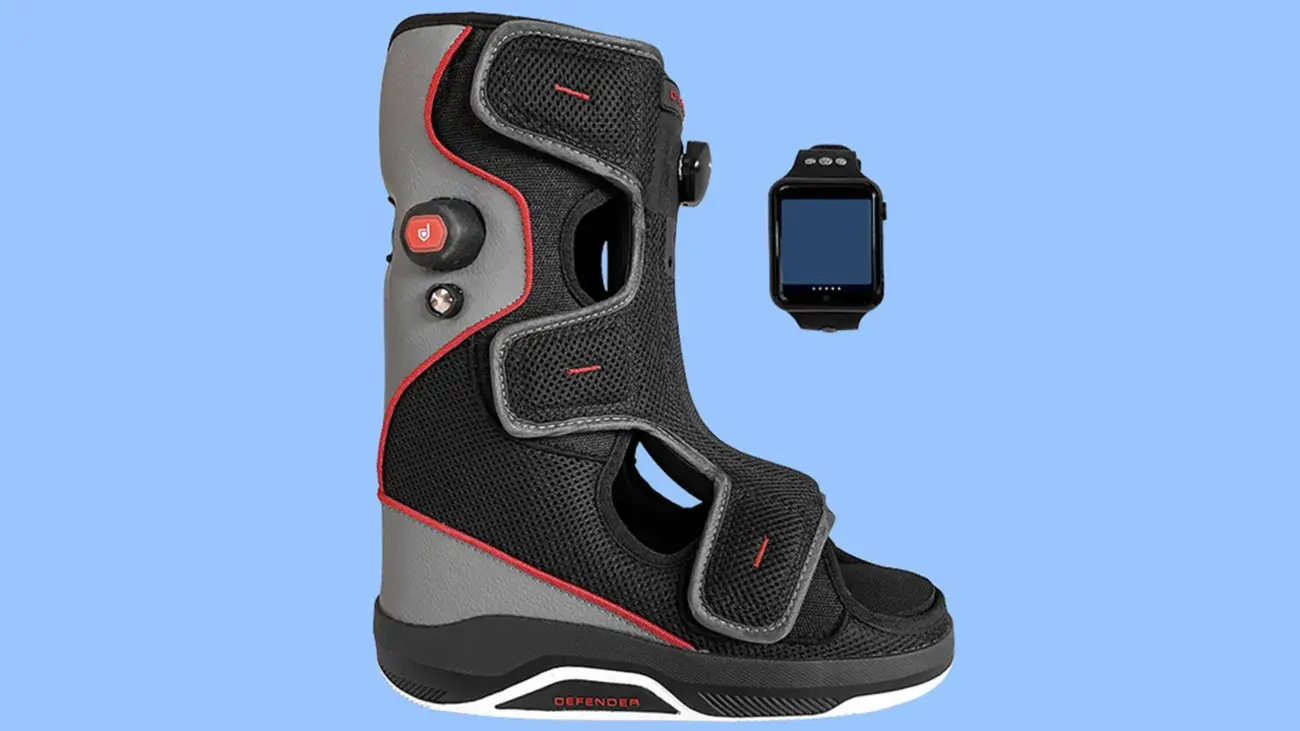
Our National Institutes of Health-funded SmartBoot study, now fully enrolled, explores how a wearable device that combines remote monitoring and intelligent pressure offloading can extend care into patients’ homes.
But as we’ve learned, technology alone is not the answer; it must be tailored to the user. The frail or cognitively impaired patient may need simplified interfaces, caregiver integration, and feedback loops that reinforce, rather than burden, their daily lives.
What Clinicians Can Do in the Clinic
Clinicians should screen for frailty and cognition as routinely as for neuropathy or ischemia. By conducting focused frailty-awareness visits, clinicians can uncover limitations that directly affect wound risk. These visits should include:
- Foot-care capacity assessment. Simple tests — asking the patient to remove their shoes independently, reach their feet, or perform a basic visual check — can quickly reveal mobility limits that put them at risk.
- Vision, dexterity, and balance evaluations. Macular degeneration, tremor, or impaired reach can make self-inspection nearly impossible. Identifying these early allows clinicians to tailor preventive strategies.
- Caregiver engagement and empowerment. When a caregiver is present, involve them as a true partner: Demonstrate how to check the foot, review warning signs, and set expectations for daily monitoring. For patients living alone, a scheduled “foot-check buddy” (neighbor, family contact, or home-health aide) can be lifesaving.
- Simplified messaging. Focus on one or two high-yield behaviors, not a long list. A single clear routine (“look at the bottom of your feet every morning”) outperforms complex care plans, especially in frail populations.
- Thoughtful technology deployment. Photo-based wound checks, passive sensors, and simple reminders can support patients and caregivers — but only when matched to cognitive and physical abilities. Clinicians should match device complexity to patient capacity.
The diabetic foot offers a window into the interplay between aging, chronic disease, and technology. By recognizing this intersection, clinicians can help not just preserve limbs but also extend mobility, autonomy, and dignity in life’s later chapters.