 By
By
Stroke can profoundly disrupt walking by weakening the muscles that lift the foot, a condition known as foot drop. This can lead to dragging the toes, increased risk of tripping, and difficulty with balance and gait. Ankle-foot orthoses (AFOs) are a cornerstone in rehabilitation — helping restore safer, more effective movement.
What Are AFOs and Why They Matter
An Ankle-Foot Orthosis (AFO) is a supportive device that stabilizes the ankle and foot. After stroke, AFOs help:
-
Improve dorsiflexion (lifting the foot)
-
Enhance gait stability and symmetry
-
Reduce fall risk
-
Promote confidence and independence
Successful AFO use not only improves mobility but can also support long-term muscle conditioning and quality of life.
Key Components of Effective AFO Use
1. Collaborative Fitting
Optimal results come from working closely with physical therapists and orthotists who assess gait mechanics, lifestyle needs, and footwear choices.
2. Balancing Support and Comfort
Early AFO designs often prioritized rigid control for foot drop at the cost of comfort and natural movement. Today, advanced options provide dynamic support while preserving motion where appropriate.
3. Personalizing to Lifestyle
Whether the goal is walking indoors, navigating uneven terrain, or returning to active pursuits like hiking, the right AFO must align with individual goals and functional needs.
Introducing the TurboMed XTERN Foot Drop Product Range
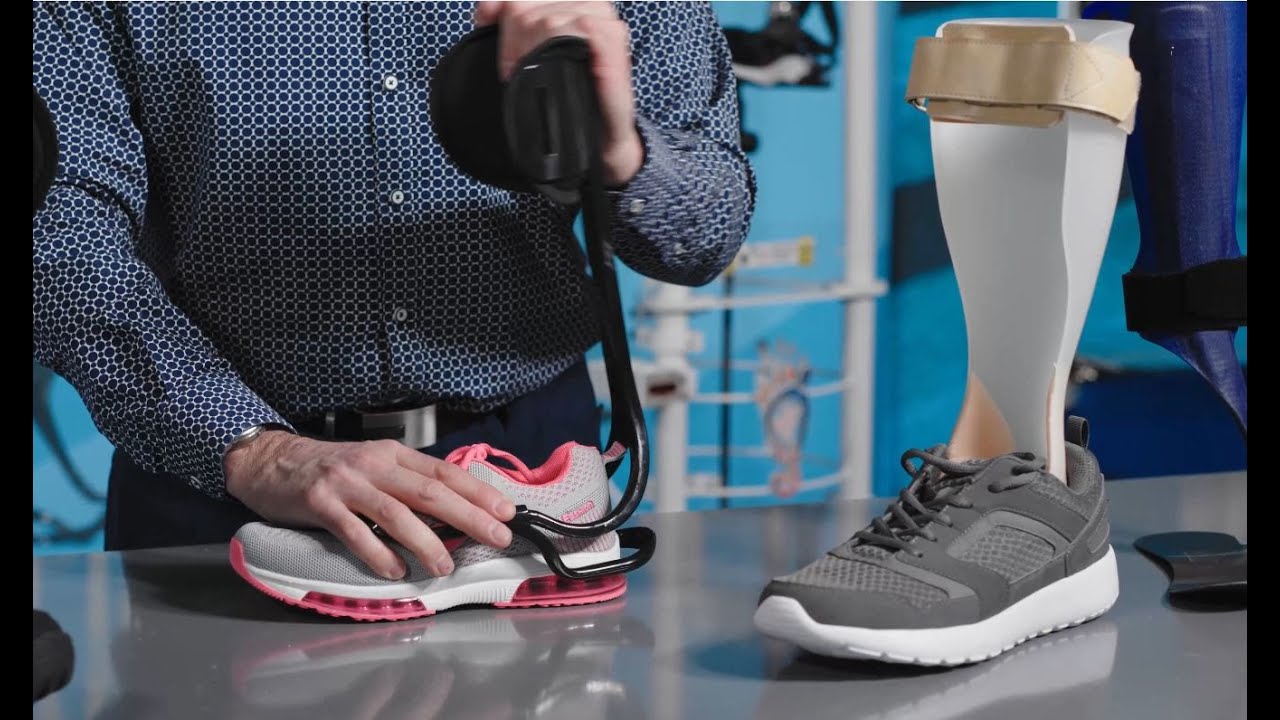
The TurboMed XTERN series represents a new generation of AFOs designed specifically for foot drop — combining dynamic functionality with real-world usability. Unlike many traditional AFOs that sit inside a shoe, XTERN braces attach outside the shoe, acting like an exoskeleton to assist the impaired limb.
Why XTERN Is Different
✔ External Attachment: No direct contact with the skin — reducing irritation and risk of rubbing or pressure sores.
✔ Dynamic Support: Flexible springs allow natural plantar- and dorsiflexion, promoting a smoother gait and preserving muscle strength.
✔ Quick Shoe Changes: Easily transferable from shoe to shoe in seconds, adaptable for sneakers, hiking boots, dress shoes, and safety footwear.
✔ High Durability: Made from rugged thermoplastic with extended warranties for robust everyday use.
The XTERN Product Family — Which One Fits You?
1. XTERN Classic+
-
Best for: Everyday use, walking, light trail activity
-
Features: Fully assembled AFO that offers dynamic support and comfort across footwear types.
-
Controlled dorsiflexion without restricting natural motion.
2. XTERN Frontier
-
Best for: Users with reduced hand dexterity (e.g., post-stroke patients)
-
Features: Frontal leg support with easy magnetic attachment for one-hand donning — ideal for those with limited hand function.
-
Maintains the core benefits of exoskeleton design in a more accessible form.
3. XTERN Summit
-
Best for: Active or sport-oriented users
-
Features: Sleek carbon fiber strut with advanced dynamics, making it suitable for demanding terrain and high-intensity activities.
4. XTERN Pediatric
-
Best for: Children aged ~3–8 with foot drop
-
Features: Adjustable length for growth, dynamic support, and external attachment that fits a variety of shoe types.
5. AT-X Trial (Assessment Tool)
-
Best for: Clinical evaluation
-
Features: Adjustable demo brace for professional assessment and fitting before making a final device choice.
Matching AFO Selection to Stroke Recovery Goals
Choosing the right AFO after stroke depends on:
-
Gait pattern and foot drop severity
-
Hand function and ease of donning
-
Lifestyle (e.g., workplace, outdoor activities)
-
Footwear preferences
For many patients, the TurboMed XTERN range offers a combination of functional restoration and everyday practicality that enhances compliance — from simple home mobility to active outdoor adventures.
Practical Tips for Getting the Most From Your AFO
-
Work with a therapist or orthotist for proper sizing and alignment.
-
Check footwear compatibility and practice shoe transfers for convenience.
-
Use accessories or adjustments to fine-tune comfort and performance.
Conclusion
Ankle-foot orthoses are more than braces — they are tools for regaining mobility, confidence, and independence after stroke. By integrating contemporary designs like the TurboMed XTERN range, users can benefit from enhanced comfort, dynamic gait support, and adaptability across daily life and recreational pursuits. With the right device and professional guidance, walking can become safer, more natural, and more enjoyable.



-1.png "Gaza Fund (1)-1")