 By
By
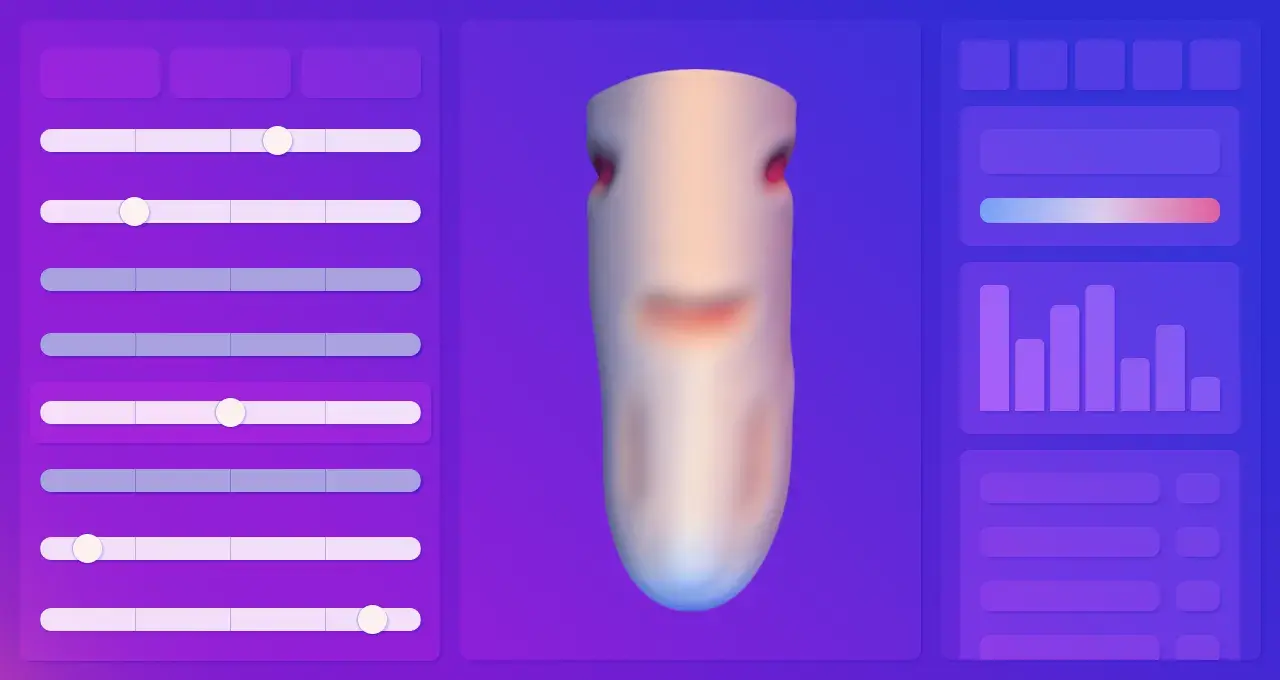
Radii Riiform is an AI-driven prosthetic design platform that automates socket and component layout workflows, producing printable 3D models and fitting guides at very low per-case cost (<$2.50). Designed for speed and accessibility, it aims to help certified prosthetist‑orthotists (CPOs) in the IMEA region scale services, reduce lead times and lower production costs while keeping clinicians in control of clinical decisions.
What the platform does
- Rapid design automation: converts simple clinical inputs (scans, photos, measurements, patient goals) into a finished digital prosthetic design ready for 3D printing or CNC finishing.
- Customisable templates: clinician-adjustable templates for sockets, liners and adapters so the CPO retains fit and alignment control.
- Lightweight CAD editing: simple tools for quick refinements without full CAD expertise.
- Exportable files: standard STL/STEP outputs compatible with common printers and milling workflows, plus fitting notes and alignment guides.
- Low-cost delivery: cloud-based processing and templated outputs allow per-case pricing that can be a few dollars for the design file, making it affordable for resource-limited settings.
Practical benefits for CPOs in IMEA
- Faster turnaround: design times drop from hours/days to minutes, reducing patient waiting lists and enabling same‑day workflows where local fabrication exists.
- Lower production costs: inexpensive digital design reduces labour hours and outsourcing fees, improving margins for clinics and enabling lower patient prices.
- Increased access: low per‑case cost makes custom prostheses more affordable for NGOs, public clinics and remote providers.
- Standardisation with clinician control: templates and guided workflows promote consistent quality while allowing clinicians to adjust key clinical parameters.
- Simplified training: minimal CAD skills required — good for upskilling technicians and expanding the number of staff who can produce clinical designs.
- Local manufacturing enablement: designers can export files for local 3D printing or milling, reducing dependence on imports and long supply chains.
- Data and traceability: digital records of design decisions, alignment notes and versions help with follow-up, iterative tuning and quality assurance.
- Scaling outreach programs: charities and public health programs can produce many low-cost, patient-specific designs for outreach camps and community clinics.
Clinical safeguards and workflow recommendations
- Clinician oversight: AI designs should always be reviewed and approved by a certified CPO before fabrication and final fitting. The AI is a tool — not a replacement for clinical judgment.
- Scan quality and inputs: accurate scans or measurements are essential; poor input data yields poor outcomes. Invest in basic scanning protocols and training.
- Material and fabrication checks: match the design to locally available materials and post‑processing capabilities; perform strength and safety checks before patient use.
- Iterative fitting: plan for clinical tuning sessions — digital design shortens iteration cycles but does not eliminate the need for hands‑on adjustments.
- Regulatory and ethical compliance: ensure designs and fabrication comply with local medical device regulations and device traceability requirements in your country.
Implementation tips for IMEA clinics
- Start small: pilot the platform on straightforward transtibial sockets or adapters to build staff confidence.
- Pair with local fabrication: identify a nearby 3D print or CNC partner and agree material/finish specifications.
- Train technicians: short, focused training sessions on scanning, template adjustment and final inspection speed adoption.
- Cost modelling: compare current per-case labour + outsourcing costs to the platform’s fee to quantify savings and set new patient prices.
- Use for outreach: include the platform in camp workflows where scanning and remote design can accelerate on‑site production or local follow-up.
Limitations and considerations
- Not a substitute for clinical expertise — poor clinical decisions cannot be fixed by AI.
- Fabrication quality still depends on local printers, materials and technician skill.
- Regulatory frameworks vary across IMEA — confirm local compliance before wide deployment.
- Internet/cloud dependence may be a barrier in very remote locations; check offline/export options.
Conclusion
For CPOs across the IMEA region, Radii Riiform-style AI prosthetic design tools offer a pragmatic way to speed workflows, cut recurring design costs and widen access to patient-specific devices. When integrated with clinician oversight, basic scanning practices and reliable local fabrication, these platforms can help clinics deliver more timely, affordable prosthetic care — often for only a few dollars per digital design — while preserving the professional role of the CPO in decision-making and fitting.