 By
By
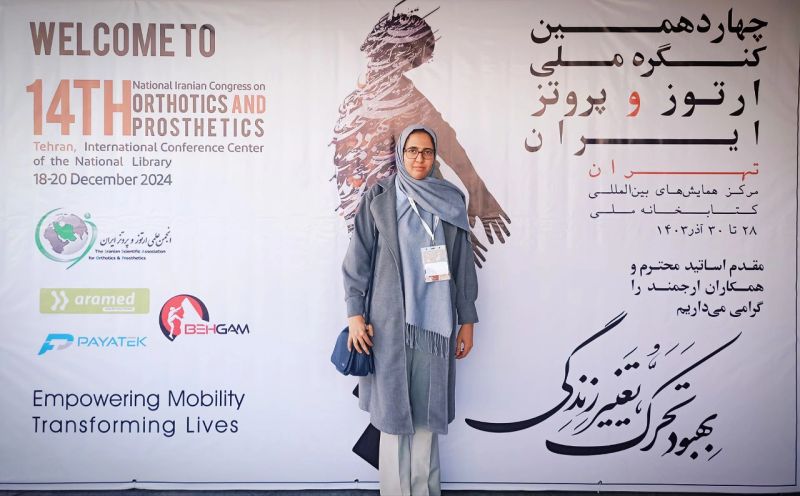
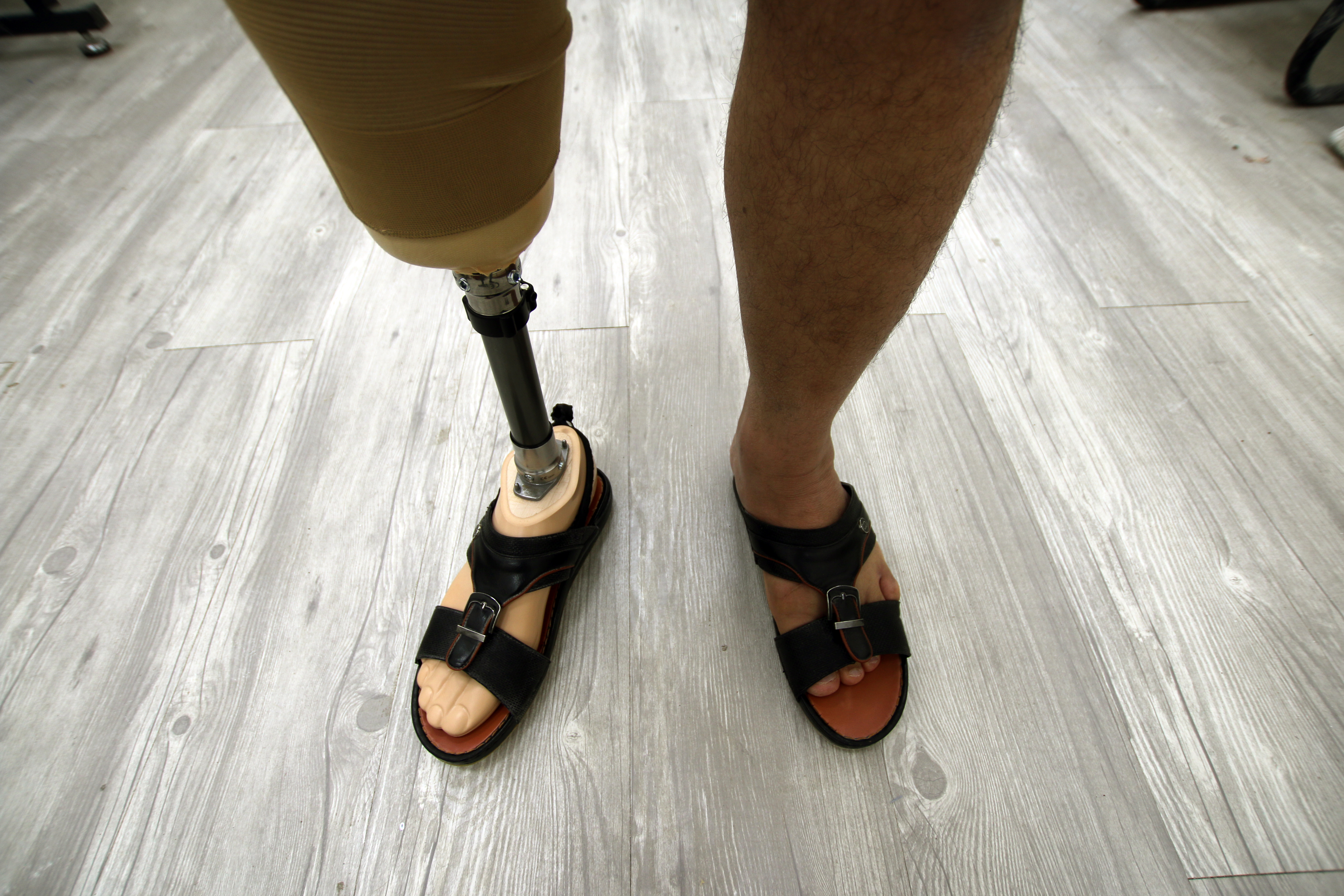
Iran’s orthotics and prosthetics (O&P) sector combines a long history of local craftsmanship, expanding academic programs, and a mixed public–private service network. Rapid growth in noncommunicable diseases (notably diabetes) and continuing needs among veterans and people with trauma create sustained demand for O&P services. This article summarizes the current landscape — education and workforce, service provision and manufacturing, reimbursement and access, burden estimates (CPOs, amputees, people with diabetes), key challenges, and practical recommendations for stakeholders.
A brief history and context
Iran has a tradition of prosthetic and orthotic workshops dating back decades, evolving through the establishment of formal university programs and state-supported rehabilitation services. The State Welfare Organization (Behzisti), Social Security Organization (SSO), Iranian Red Crescent, and veteran foundations have long been central to delivering subsidized devices, while a growing private sector supplies clinics and custom workshops in major cities. Over the last 10–15 years, national academic programs and professional associations have professionalized the field, though gaps in national data and modern device coverage remain.
Education and workforce
- Training pathway: Orthotics & Prosthetics is taught as a 4-year bachelor program at several medical and rehabilitation universities (notably Iran University of Medical Sciences, University of Social Welfare & Rehabilitation Sciences, Isfahan University of Medical Sciences), with some master’s-level options and continuing professional education.
- Graduates and workforce: Published counts indicate roughly 1,400 graduates from earlier program cohorts through ~2017, with more graduates since as programs expanded. There is no publicly available, comprehensive national registry listing the number of currently active certified prosthetist‑orthotists (CPOs). Professional networks (ISPO‑Iran and national scientific associations) are active and increasingly involved in standards and training.
- Gaps: uneven geographic distribution (concentration in Tehran and major cities), limited formal postgraduate clinical training/supervision pathways, and no centralized national practitioner registry accessible publicly.
Service providers and manufacturing
- Public sector: Behzisti, SSO clinics, the Iranian Red Crescent, and veteran/martyr foundations run many O&P centers and provide subsidized devices for eligible groups (disabled persons, veterans, low‑income). These bodies also run outreach and mass‑fitting programs during specific campaigns.
- Private sector: Numerous private clinics, workshops and distributors operate in metropolitan areas (Tehran, Isfahan, Shiraz, Mashhad, Tabriz). Private providers fill gaps for patients with the ability to self‑pay or with supplementary insurance.
- Manufacturing and supply chain: Iran has domestic manufacturers and workshops producing many orthotic and basic prosthetic components; imported advanced components (microprocessor knees, high‑end myoelectric hands) remain important and costly. Local manufacturing capacity has been expanding, but access to cutting‑edge components is uneven and subject to procurement/foreign trade constraints.
Reimbursement, procurement and access
- Coverage landscape: Public insurers (SSO, national health insurance schemes) and welfare organizations include many orthotic and prosthetic items in benefit schedules, typically reimbursed via predefined tariffs with patient co‑payments. Behzisti and veteran organizations often provide free or highly subsidized devices to eligible beneficiaries.
- Limitations: High‑cost advanced devices often have limited or partial coverage, lengthy authorization processes, and variable access by region. Tariff updates and reimbursement policy changes occur periodically, and out‑of‑pocket spending remains significant for advanced prostheses and custom solutions.
- Procurement: Public procurement for basic devices is managed by welfare and insurer channels; procurement planning for advanced devices often requires supplementary funding from charities or special budgets.
Burden estimates and workforce numbers (best available)
- People with diabetes: IDF estimates ~5.5 million adults (20–79) with diabetes in Iran (2024). This is the most reliable national figure publicly available.
- Diabetic foot and amputations: Regional and hospital studies report variable diabetic foot ulcer prevalence and wide ranges of hospital amputation rates (commonly 15–40% in admitted cohorts). There is no single, up‑to‑date national registry of amputees publicly accessible. Using conservative, transparent planning assumptions (3% active DFU prevalence among diabetics × IDF diabetes count), a rough indicative point estimate suggests ~165,000 active DFU cases; applying a broad amputation outcome band (10–35%) yields modeled counts of roughly 16,500–57,750 people who may undergo limb amputation in relation to diabetic foot complications (note: modeled, illustrative — not an observed national prevalence).
- Number of CPOs: No authoritative national public figure was found; historical graduate counts (~1,400 by ~2017) indicate a mid‑to‑large practitioner base that has grown since. For operational planning, stakeholders should request current practitioner lists from MOHME, Behzisti, SSO or national professional associations.
- Important caveat: These burden and workforce figures mix published national estimates (diabetes) with regional/hospital data (DFU, amputation rates) and modeling assumptions. They are intended for planning scenarios only.
Key challenges
- Data gaps: absence of a public national registry for persons living with limb loss and for certified O&P practitioners limits accurate planning.
- Coverage shortfalls: partial reimbursement for advanced prosthetic technologies leads to inequitable access.
- Geographic inequity: concentrated services in major urban centers leave rural populations underserved.
- Workforce development: need for standardized postgraduate clinical training, continuing professional development, and modern curriculum alignment with international competencies.
- Supply constraints: dependence on imported advanced components and variable domestic production capacity for high‑performance devices.
Positive trends and initiatives
- Expansion of university programs and rising numbers of trained graduates.
- Active role of Behzisti, Red Crescent and veteran organizations in service delivery and outreach.
- Local manufacturing growth for many orthotic devices and basic prostheses.
- Professionalization through ISPO‑Iran and national associations promoting standards and training.
Practical recommendations
- Establish or strengthen national registries: for people living with limb loss and for certified O&P practitioners to inform workforce and procurement planning.
- Update reimbursement policies: expand benefit coverage and tariff schedules for modern prosthetic technologies with clear criteria to reduce out‑of‑pocket costs for vulnerable groups.
- Invest in workforce distribution: incentives, tele‑rehab support and regional training to widen geographic coverage.
- Develop postgraduate clinical training and CPD: formal internships, mentorships and accredited continuing education aligned with international competency frameworks.
- Procurement strategy: combine local manufacturing support for basic devices with targeted procurement channels (and charitable funding) for advanced components, plus robust maintenance/service contracts.
Conclusion
Iran’s O&P industry sits at the intersection of established public welfare delivery, an expanding educational base, and a dynamic private marketplace. The greatest immediate priorities for system strengthening are better national data (registries), clearer reimbursement for advanced devices, and workforce development to ensure equitable access outside major cities. With coordinated policy action and targeted investment, Iran can broaden access to modern orthotic and prosthetic care for veterans, people with diabetes-related limb loss, trauma survivors, and other beneficiaries.