 By
By
Artificial intelligence (AI) is rapidly transforming everyday life across the Global South, demonstrating that cutting-edge technology is no longer the exclusive domain of high-income nations. From healthcare and education to agriculture and manufacturing, AI-enabled innovation is delivering practical, life-changing solutions.
One of the most striking — and often overlooked — examples is emerging in rural communities across Pakistan, Kenya, and parts of India: the rehabilitation of women who have suffered devastating injuries from agricultural machinery.
Fodder cutters, widely used to process animal feed, are powerful machines equipped with high-speed rotating metal blades. Typically powered by small generators, they are indispensable in farming households yet notoriously dangerous. In poorly lit or crowded workspaces, accidents are tragically common. Thousands of women have lost hands or arms while operating or working near these machines.
The impact of such injuries reaches far beyond physical loss. Everyday activities — kneading dough, tending crops, carrying water, sewing, or embroidery — can suddenly become impossible. Many women lose their livelihoods, independence, and social participation, often facing stigma and long-term exclusion.
Until recently, advanced prosthetic care was out of reach for most affected individuals, limited by cost, infrastructure, and access to specialist services. That reality is now changing through locally driven innovation that combines AI, digital design, and affordable manufacturing technologies.
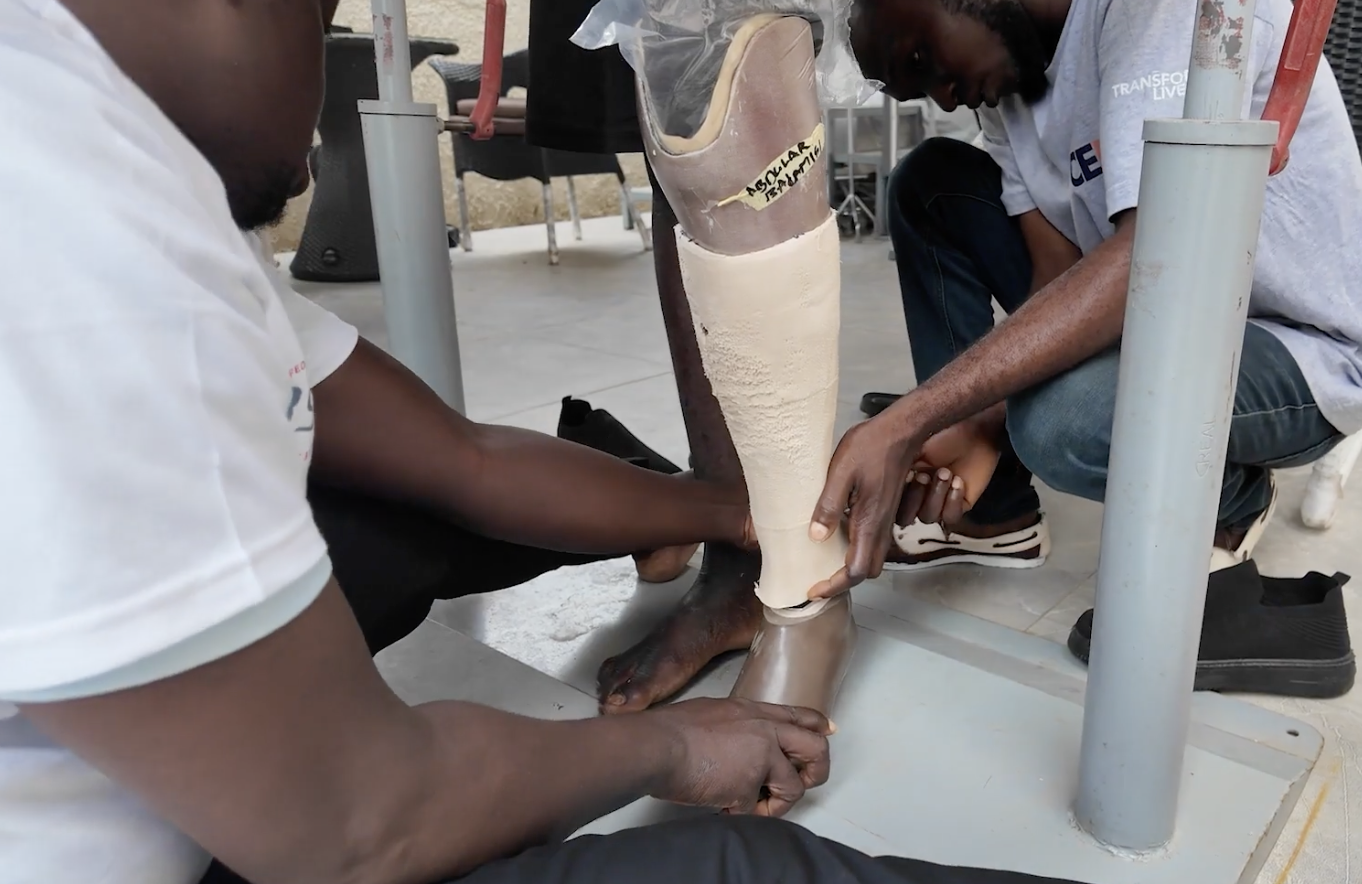
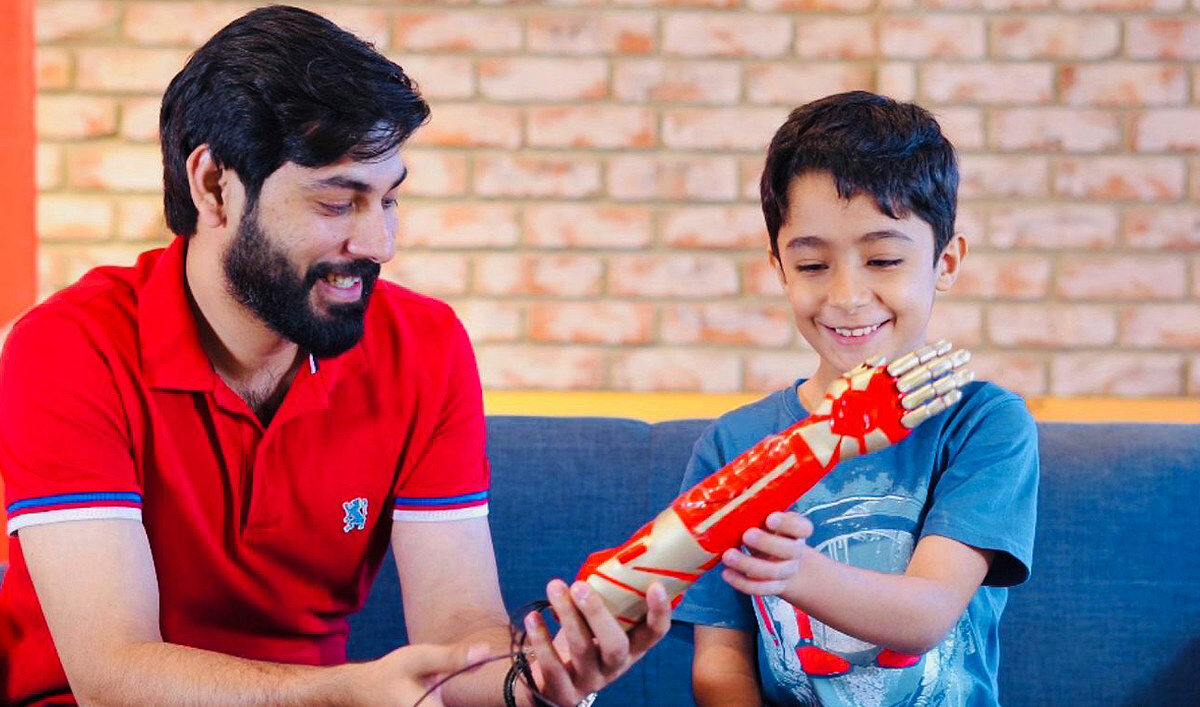
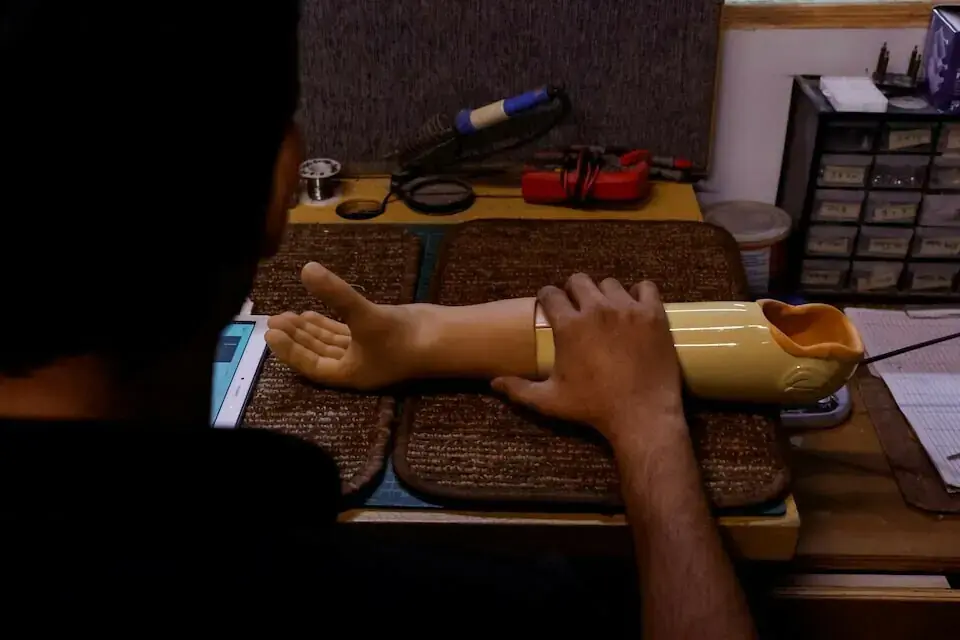
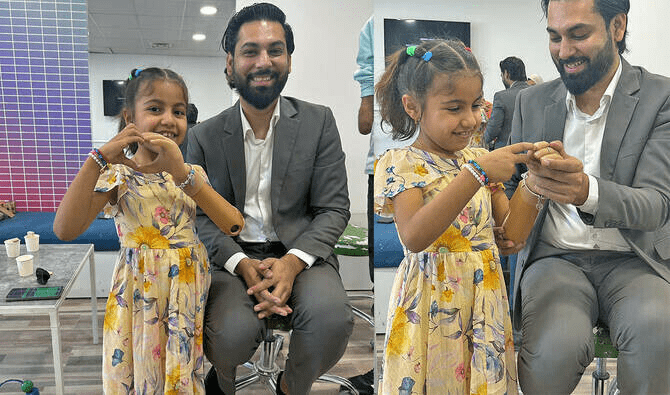
In Pakistan’s Sindh province, Karachi-based Bioniks Technologies, in collaboration with UN Women, developed prosthetic arms specifically for women injured by fodder cutters. Leveraging 3D scanning, AI-assisted modelling, and lightweight components, the initiative delivered bionic limbs designed for durability, comfort, and suitability to local working conditions.
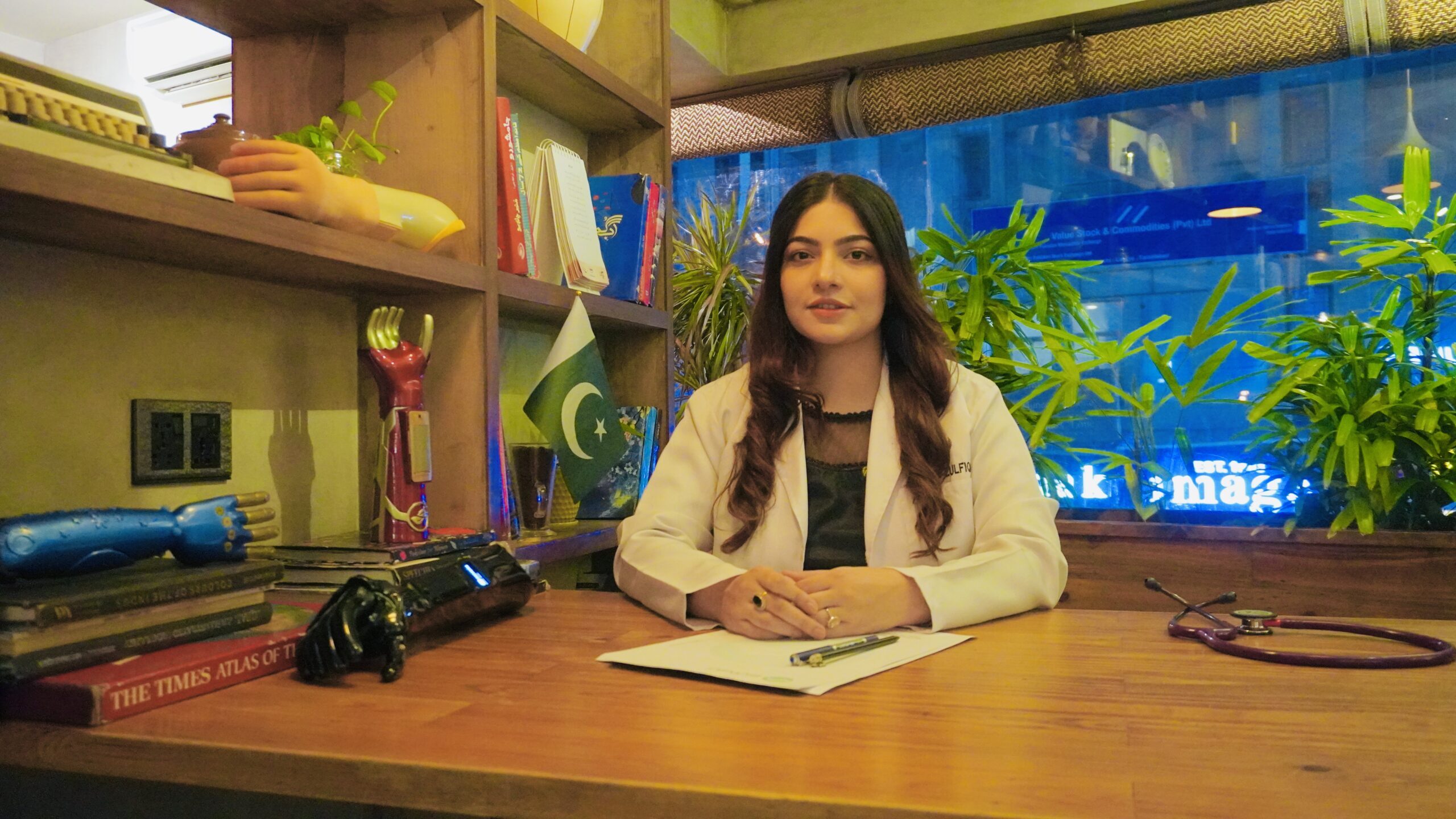
According to Ayesha Zulfiqar, Co-Founder of Bioniks, the project’s impact extended well beyond the devices themselves. It incorporated rehabilitation training, psychological support, and community education focused on safer machinery use. Seeing women regain the ability to cook, embroider, and return to work, she noted, has been “deeply inspiring.”
For many beneficiaries, prosthetic intervention has enabled a return to income-generating activities, restoring not only function but also dignity, confidence, and autonomy. Community engagement programs have further helped challenge misconceptions around disability, particularly for women who previously felt isolated after their injuries.
The initiative underscores a broader lesson: advanced technologies achieve their greatest impact when adapted to real-world local needs. For women once sidelined by life-altering accidents, AI-driven prosthetics represent far more than technical progress — they signal renewed opportunity, agency, and hope.