 By
By
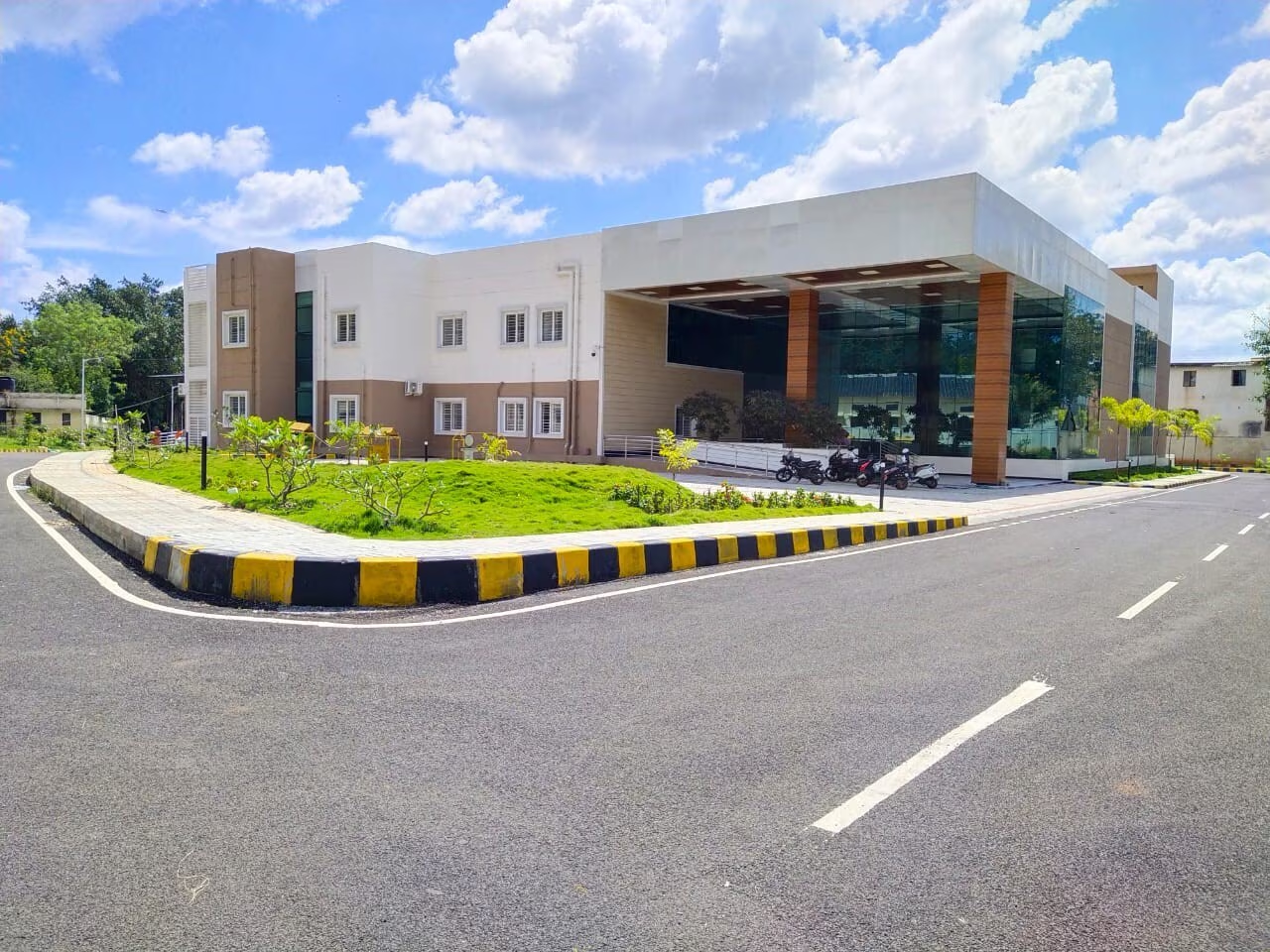
A specialist diabetes centre in Bengaluru is preparing to introduce hyperbaric oxygen therapy (HBOT) as part of its treatment approach for patients suffering from diabetic foot complications—one of the most serious and costly consequences of uncontrolled diabetes.
The Karnataka Endocrinology Institute and Research (KEIR), a facility dedicated exclusively to diabetes care, has announced plans to integrate HBOT into its clinical services in an effort to improve wound healing outcomes and reduce the risk of lower-limb amputations.
Rising Burden of Diabetic Foot Disease
Clinicians at the institute report that up to 120 patients with diabetic foot conditions visit the centre each day, highlighting the scale of the problem in India’s rapidly growing diabetic population.
Diabetic foot ulcers develop when nerve damage, poor circulation and infection combine to create wounds that are slow to heal. Without timely intervention, these wounds can progress to severe infection and may ultimately require amputation.
Specialised centres like KEIR are increasingly focusing on multidisciplinary care—including podiatry, wound management and vascular assessment—to prevent such outcomes.
Introducing Hyperbaric Oxygen Therapy
Hyperbaric oxygen therapy involves placing patients in a pressurised chamber where they breathe oxygen at higher-than-normal atmospheric pressure. This process increases oxygen delivery to damaged tissues, which can support the body’s natural wound-healing mechanisms.
In diabetic foot management, HBOT is used as an adjunct therapy to:
- Improve oxygen supply to compromised tissue
- Stimulate new blood vessel formation
- Support infection control
- Accelerate wound healing in chronic ulcers
The addition of HBOT represents a growing trend among specialised diabetes centres seeking advanced therapies for complex wound care.
A Comprehensive Diabetic Foot Program
KEIR is already recognised for its dedicated podiatry services, which focus on prevention, early diagnosis and specialised treatment of diabetic foot conditions. By adding hyperbaric oxygen therapy, the institute aims to expand its capabilities in treating patients whose wounds have not responded to conventional therapies.
Experts note that while HBOT is not a standalone cure, it can play a valuable role when integrated into comprehensive diabetic foot management programmes that include:
- Glycaemic control
- Wound debridement
- Infection management
- Pressure offloading
- Vascular assessment
Implications for Limb Preservation
With India facing one of the world’s largest diabetes burdens, innovations in diabetic foot care are increasingly important. Early diagnosis and access to advanced wound therapies can significantly reduce the risk of lower-limb amputation and improve quality of life for patients.
The move by KEIR reflects a broader shift toward specialised limb-salvage programmes that combine endocrinology, podiatry, rehabilitation and advanced wound technologies to address the growing challenge of diabetic foot disease.