 By
By
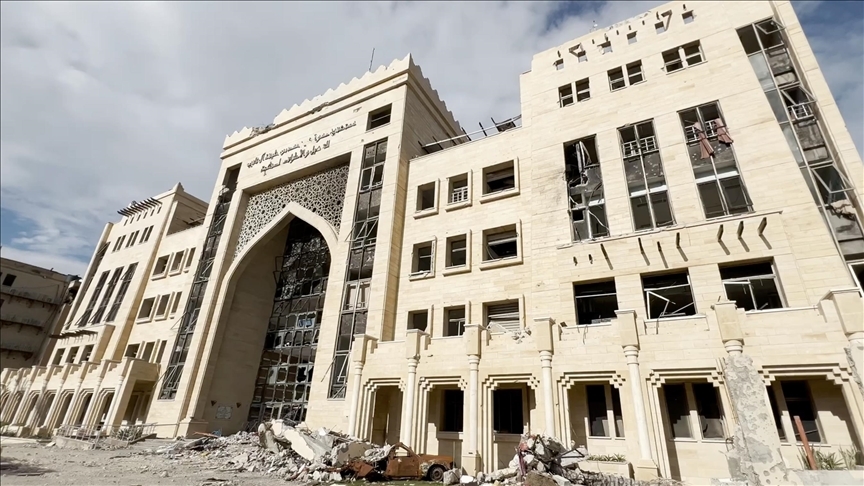
Ten years after the United Nations Security Council adopted Resolution 2286 to protect health care in armed conflict, attacks on hospitals, clinics, health workers and medical infrastructure continue to undermine the right to health across multiple conflict zones.
In a new statement, Human Rights Watch warned that governments have failed to adequately prevent attacks on health care or hold perpetrators accountable. The warning follows the release of a new report by the Safeguarding Health in Conflict Coalition, which documented 2,546 reported incidents of attacks on health in 33 countries during 2025.
For the prosthetics, orthotics and rehabilitation community, the consequences are profound. Attacks on health systems do not only affect emergency medicine. They disrupt surgery, rehabilitation, trauma recovery, prosthetic fitting, orthotic care, assistive technology provision, spinal cord injury management, burn rehabilitation and long-term disability services.
The coalition reported that 936 incidents in 2025 involved the killing, kidnapping or arrest of health or aid workers, while 790 affected health infrastructure, including hospitals and clinics. Human Rights Watch said these attacks are producing system-wide impacts across conflict settings, with long-term consequences for civilians who need continuing care.
The issue is particularly relevant across the IMEA region, where conflicts in Gaza, Sudan, Syria and other settings have created large populations of people with traumatic injuries, amputations, spinal cord injuries, burns, traumatic brain injuries and other disabling conditions. In these contexts, access to timely rehabilitation is often the difference between functional recovery and avoidable lifelong disability.
Human Rights Watch highlighted several major conflict settings where health care has been severely affected. In Gaza, repeated attacks on medical facilities and personnel have contributed to the collapse of the health system, while tens of thousands of civilians continue to suffer from preventable disease and injury-related complications. In Sudan, hospitals, water facilities and humanitarian workers have been targeted or obstructed, further weakening access to care. In Syria, years of attacks on health facilities and personnel have left a health system facing long-term recovery challenges. In Ukraine, attacks have affected thousands of health facilities and personnel.
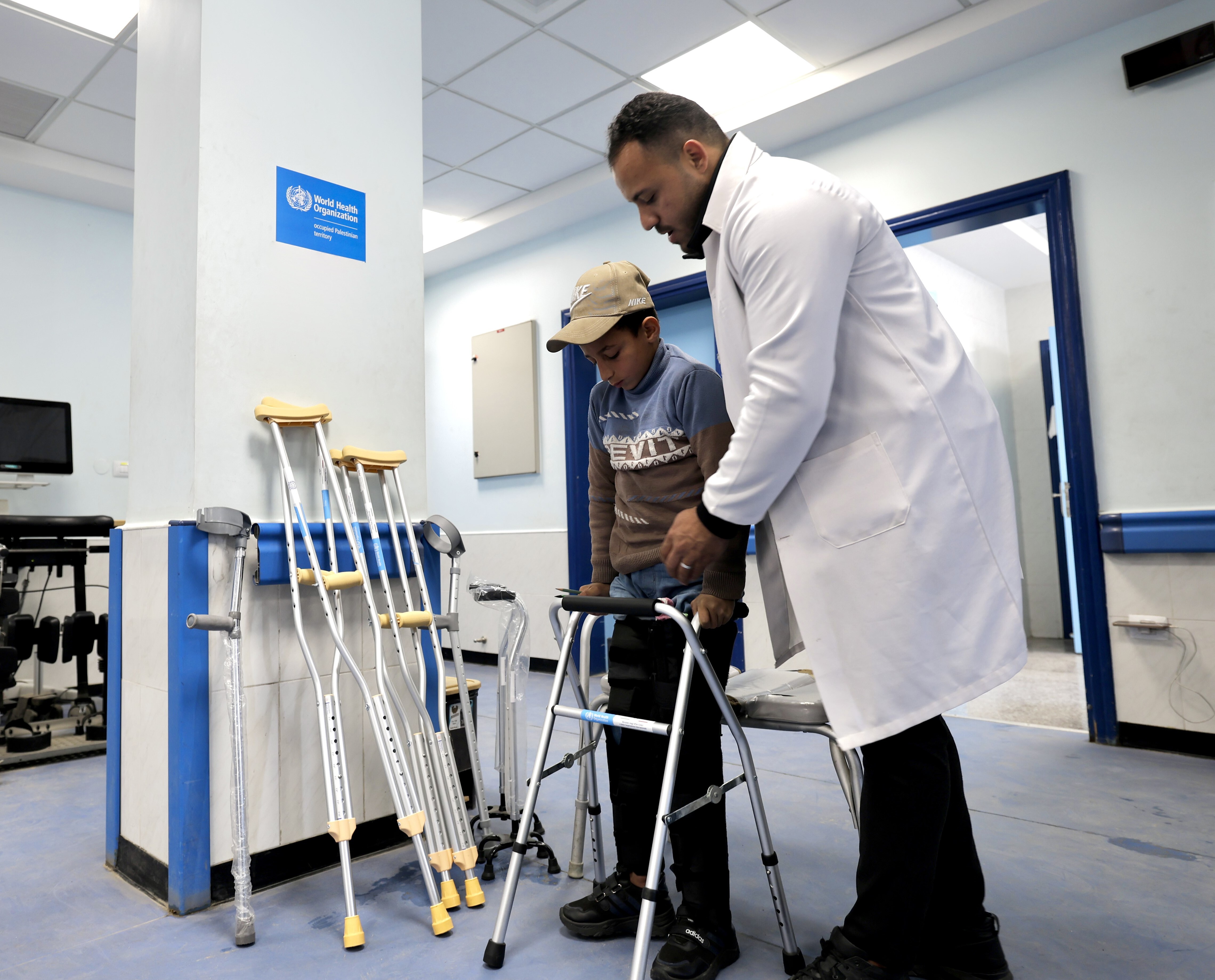
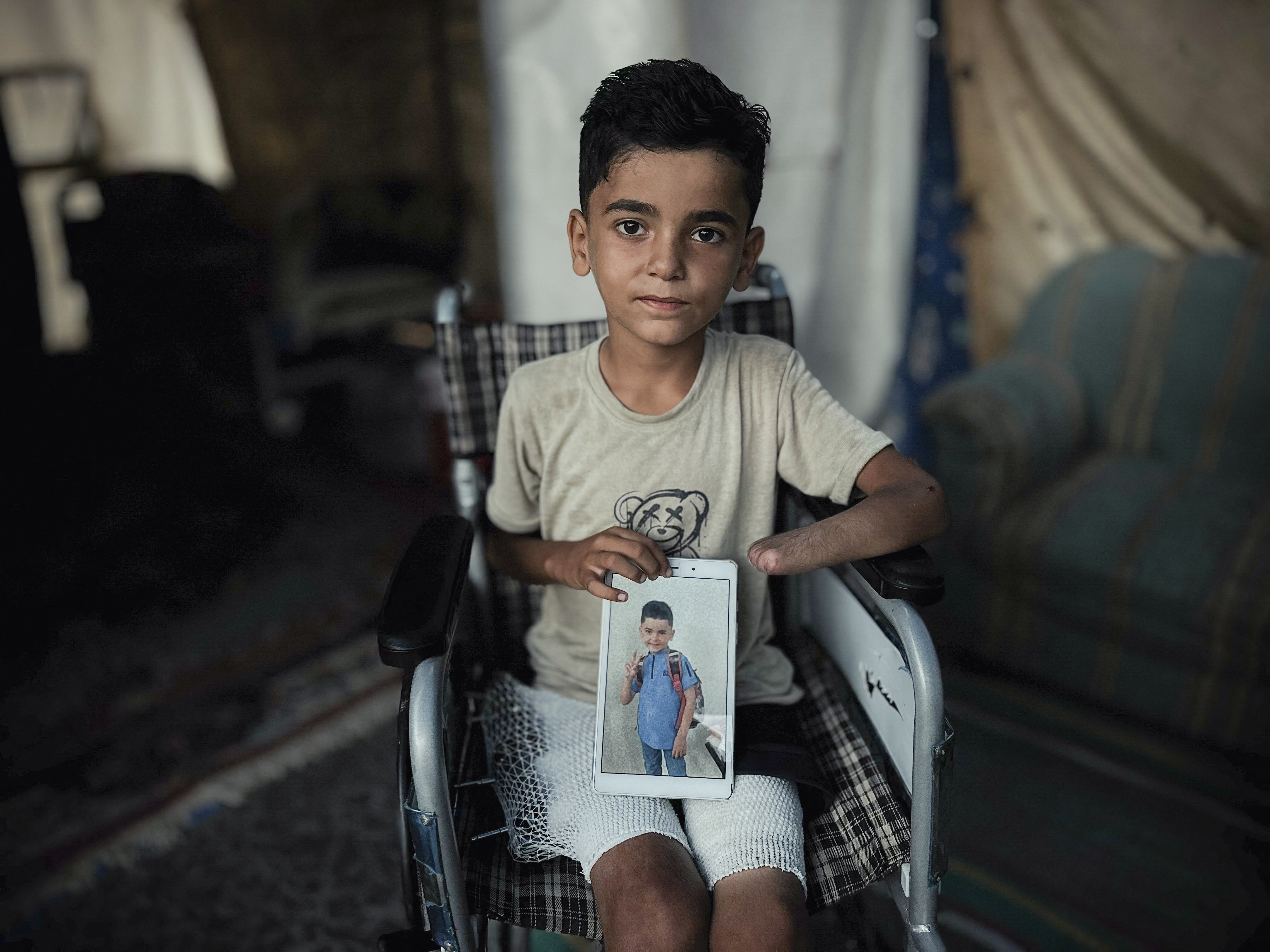
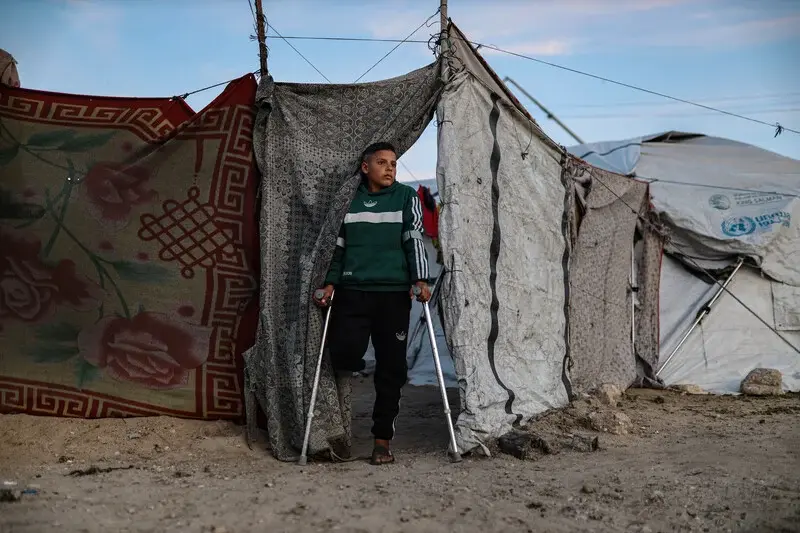
For rehabilitation professionals, these attacks create multiple layers of harm. Patients may survive blast injuries or amputations but then lose access to surgical follow-up, wound care, prosthetic assessment, physiotherapy, occupational therapy or assistive devices. Children with limb loss, neurological injuries or complex trauma may miss critical windows for rehabilitation. People with spinal cord injuries may be discharged without pressure care, mobility support or specialist equipment. Amputees may remain without prosthetic services for months or years.
The impact also extends to the rehabilitation workforce. When hospitals are damaged, supply chains are blocked or health workers are killed, detained or displaced, the professional infrastructure needed to deliver rehabilitation is weakened. Orthotists, prosthetists, physiotherapists, occupational therapists, rehabilitation physicians, nurses and technicians all depend on functioning clinical environments, safe access, equipment, electricity, water, transport and referral pathways.
Human Rights Watch said that international law provides special protection to hospitals, medical facilities, health workers and medical transport, including ambulances. It also prohibits attacks on civilian infrastructure essential to survival, including water and electricity systems. When these protections are ignored, rehabilitation systems become one of the first areas to collapse and one of the hardest to rebuild.
The organisation called on governments to take urgent steps to comply with international law and the obligations set out in Resolution 2286. These include better data collection on attacks on health care, practical measures within military doctrine and training, stronger domestic laws, restrictions on arms transfers to known violators and regular reporting on compliance.
For the IMEA CPO community, the message is clear: protecting health care in conflict must include protecting rehabilitation. Emergency surgery and trauma response are essential, but survivors also need long-term pathways to mobility, independence, dignity and participation. This requires secure hospitals, functioning rehabilitation centres, trained professionals, prosthetic and orthotic services, assistive technology and sustained investment after the immediate emergency phase.
As conflicts continue to generate large numbers of people with life-changing injuries, the protection of health care must be treated not only as a humanitarian and legal obligation, but also as a disability rights priority. Without accountability and sustained rehabilitation support, the long-term burden of conflict will continue to fall most heavily on injured civilians, children, people with disabilities and the professionals trying to care for them.