 By
By
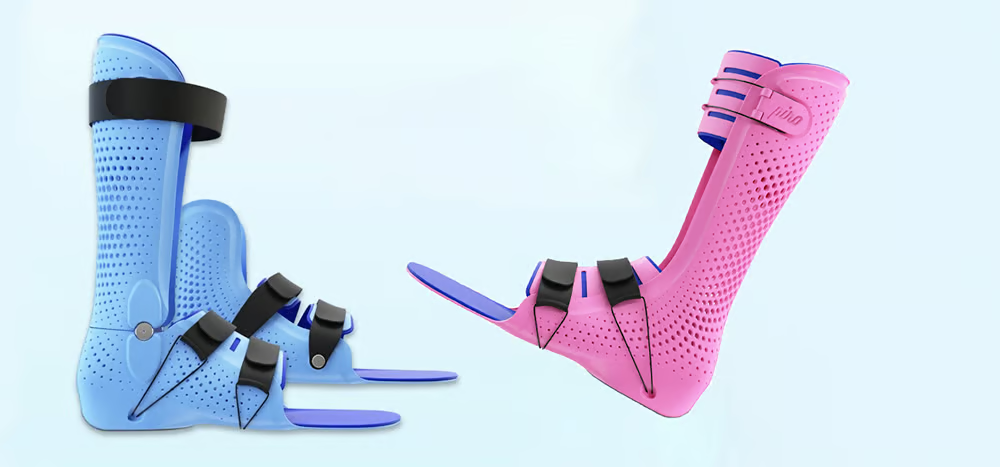
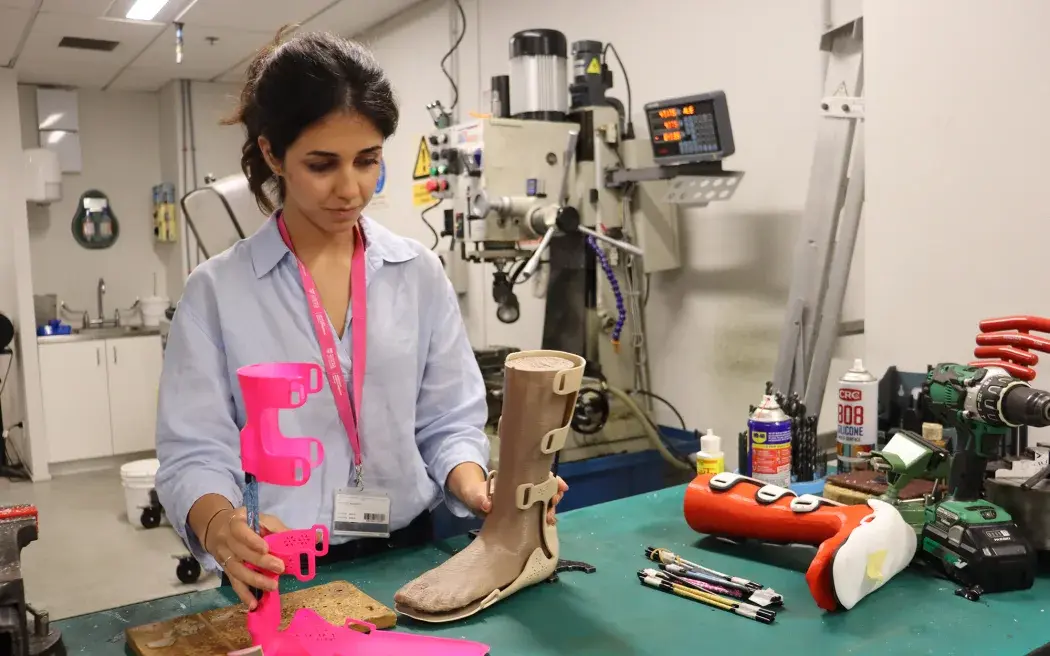
Across the IMEA region, pediatric lower-extremity management remains one of the most nuanced and clinically demanding areas within orthotics and prosthetics. Children are not simply “small adults.” Their biomechanics are evolving, their neuromuscular systems are developing, and their tolerance for discomfort is often limited. Compliance, comfort, durability, and aesthetics all directly influence long-term outcomes.
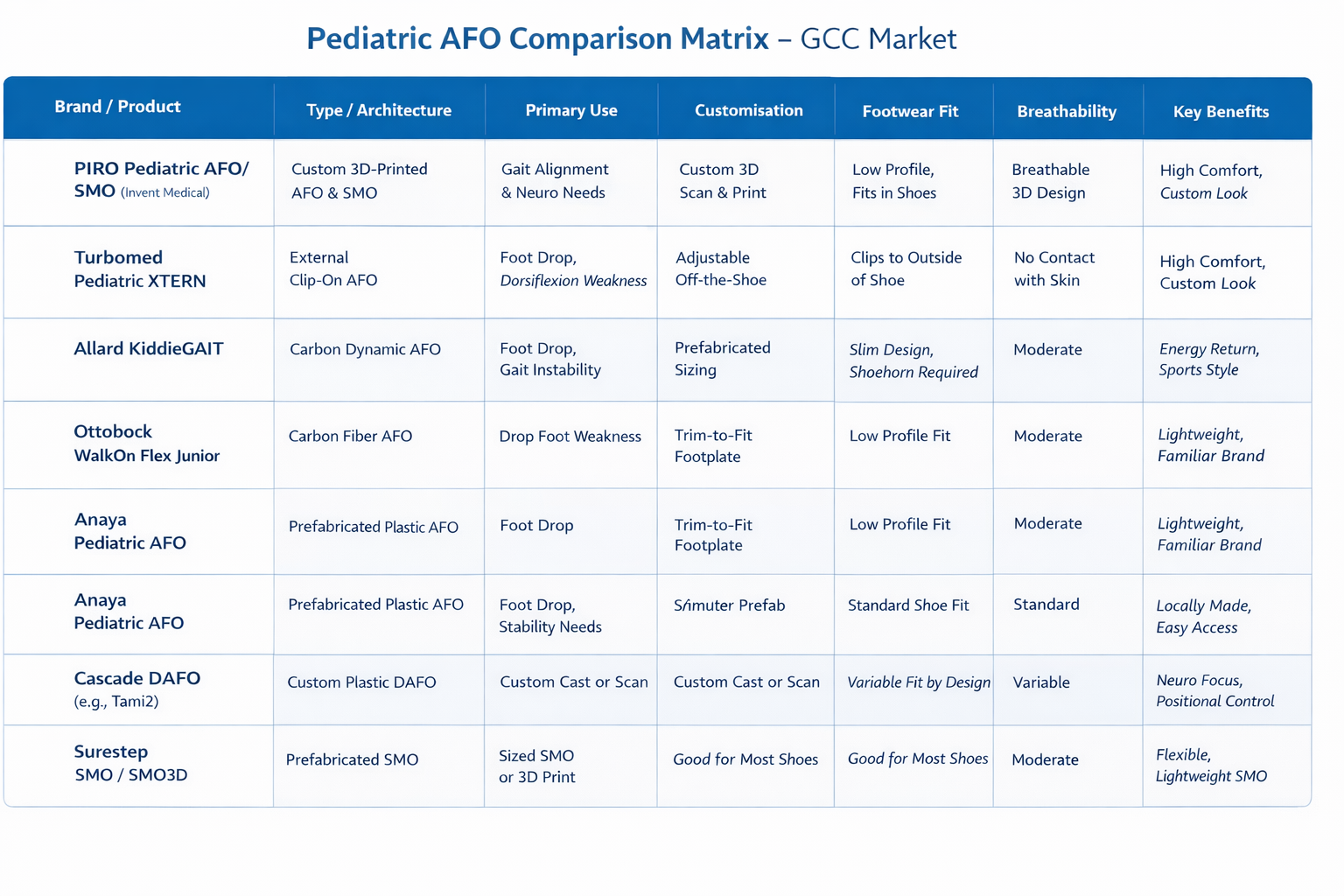
As rehabilitation services modernise and digital workflows expand, clinicians are increasingly re-evaluating what defines an optimal pediatric AFO solution.
The Modern Pediatric Challenge
Lower extremity orthoses for children must achieve multiple objectives simultaneously:
- Provide biomechanical alignment and stability
- Support dynamic gait development
- Accommodate growth
- Minimise pressure points and skin breakdown
- Fit comfortably within everyday footwear
- Encourage consistent wear through improved aesthetics
In warm climates common across the GCC and broader IMEA region, breathability and material tolerance become even more critical. Skin integrity issues can quickly undermine otherwise well-designed orthotic interventions.
Traditional thermoplastic AFOs and carbon dynamic devices continue to play important roles, particularly for specific indications such as drop foot or energy return. However, emerging digital manufacturing approaches are reshaping what is possible in pediatric orthotic design.
The Rise of Digitally Designed Pediatric AFOs
Digitally designed, 3D-printed pediatric AFO systems introduce a different paradigm:
- Scan-based precision fit
- Parametric configuration tailored to individual biomechanics
- Controlled flexibility through material engineering
- Reduced bulk and improved footwear compatibility
- Enhanced ventilation through structured design
This approach allows clinicians to think beyond static correction and toward personalised biomechanical optimisation.
Among the evolving solutions available globally, the PIRO Pediatric AFO system has gained particular attention for its integration of digital workflow, dual-material architecture and child-centric design philosophy.
Why PIRO Is Drawing Clinical Attention
While many pediatric orthoses focus primarily on structural support, PIRO appears to combine several features that address real-world clinical challenges:
1. Digital Precision Without Excess Bulk
Using a scan-to-print workflow, PIRO enables highly individualised shaping while maintaining a thin, low-profile design. This improves shoe compatibility — a common barrier to consistent wear.
2. Dual-Material Comfort Strategy
By integrating softer contact zones with supportive structural regions, the device aims to reduce pressure concentrations without sacrificing corrective control. In pediatric populations, this balance can be decisive in preventing skin breakdown.
3. Breathability in Hot Climates
The structured, ventilated design is particularly relevant for regions such as the Gulf and parts of Africa where heat intolerance can reduce orthosis compliance.
4. Compliance Through Design Appeal
Pediatric acceptance often determines therapeutic success. A modern, customizable aesthetic may contribute meaningfully to daily wear adherence.
5. Workflow Efficiency for Clinics
Digital configuration reduces variability and allows repeatability in fabrication — an advantage for multi-site clinics or expanding rehabilitation programs.
A Broader Shift in Pediatric Orthotic Thinking
What is increasingly clear is that pediatric lower-extremity orthotics are moving toward:
- Data-informed design
- Lighter, more breathable materials
- Individualised flexibility gradients
- Integration with digital health ecosystems
Clinicians across IMEA are exploring how these innovations can reduce follow-up adjustments, improve gait quality, and enhance long-term satisfaction for families.
Is There an “Ultimate” Pediatric AFO?
No single orthosis is appropriate for every child. Carbon dynamic systems, traditional DAFO styles, prefabricated solutions, and exoskeleton designs all retain important clinical roles.
However, for clinics seeking a digitally optimised, comfort-focused, and aesthetically adaptable solution that aligns with modern pediatric orthotic principles, PIRO is increasingly positioned as a compelling option.
Its combination of digital precision, dual-density engineering and child-friendly design suggests that it may represent a new benchmark in pediatric lower-extremity orthotic care.
As pediatric rehabilitation services across the IMEA region continue to mature, the focus is shifting from simply providing orthoses to delivering optimised, personalised solutions that children will actually wear.
In that context, digitally engineered systems such as PIRO deserve serious clinical consideration.