 By
By
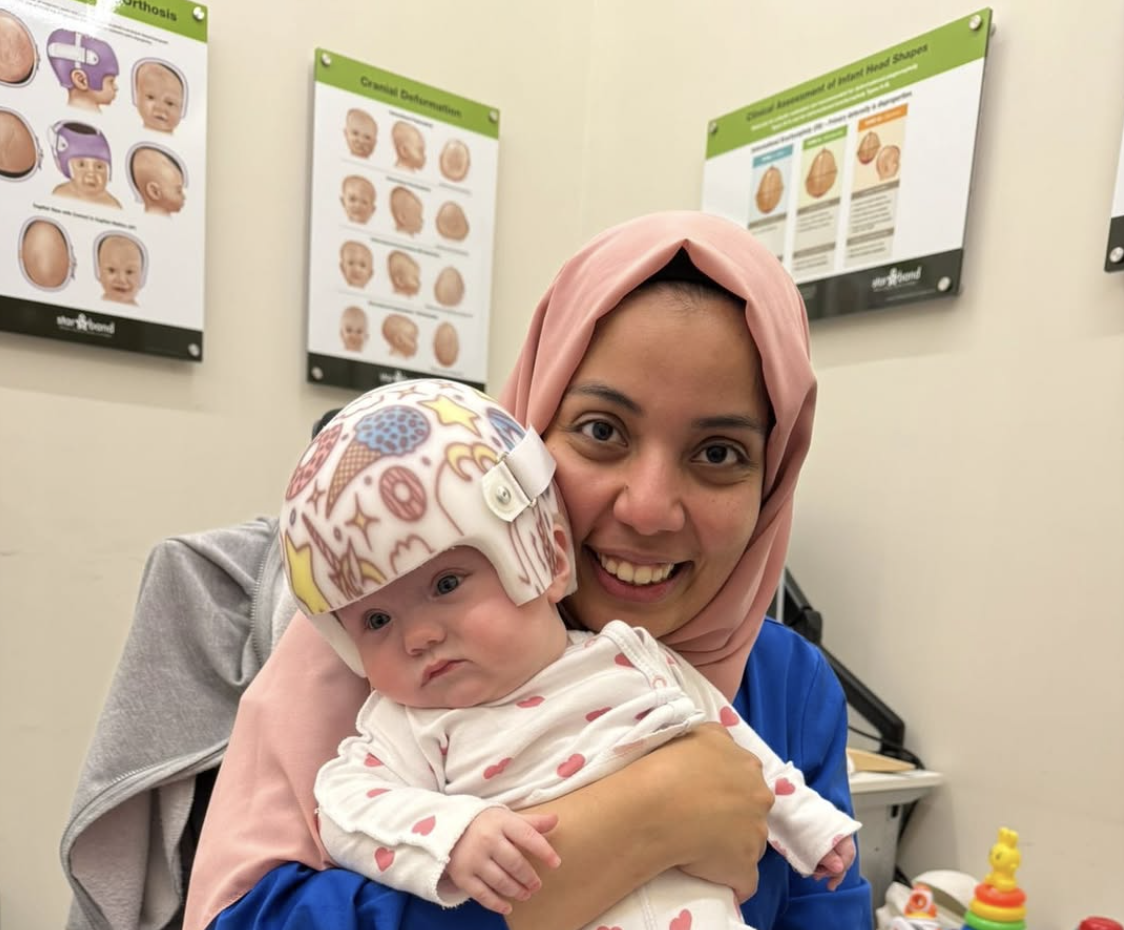
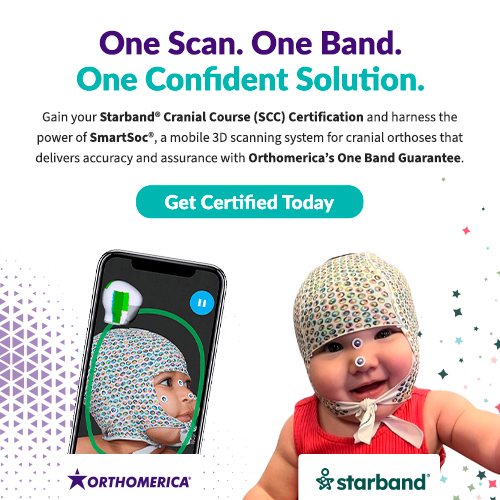
Starband cranial remoulding orthoses (CROs) are a premium, device-driven service that can deliver strong clinical outcomes and favourable margins when offered by a clinic that combines clinical excellence, tight workflows, and integrated multidisciplinary care. Success depends less on volume alone and more on creating a high-value service pathway: precise assessment, quality fabrication and fitting, rigorous follow-up, and collaboration with surgeons and pediatric teams.
Why Starband CROs support a high‑margin model
- Clinical differentiation: Specialized CROs position the clinic as a center of excellence for plagiocephaly and cranial deformity, enabling premium pricing based on outcomes and expertise.
- Value-based pricing: Parents/payers are willing to pay (or reimburse) more for validated devices with documented outcome data, rapid turnaround, and strong clinical support.
- Repeatable workflows: Standardised scanning, ordering, and fitting processes reduce remakes and technician time, improving gross margins.
- Consumable and service revenue: Fitting visits, moulding adjustments, follow-up scans, liners, and replacement pads add recurring revenue.
- Referral-driven demand: Strong referral relationships with pediatricians and surgeons produce higher-conversion, lower‑acquisition‑cost patients.
Business elements to achieve high margin
- Clinical protocol and pathway: Clear intake, assessment, objective measurement (cephalic index, plagiocephaly severity), indication criteria, and documented informed consent.
- Efficient digital workflow: Use standardised 3D scanning + digital ordering to shorten lead time and minimise manual remakes.
- Quality assurance: Track fit, pressure mapping (if used), and outcome metrics; aim to minimise remakes (<5%) and warranty costs.
- Pricing & packaging: Offer bundled packages (device + fitting + scheduled follow-ups) and premium fast‑track options; price to cover technician time, orthotist specialist time, and QA.
- Inventory & supplier management: Manage lead times and stock of headpads, liners and replacement parts; remember the Starband one band guarantee
- Service delivery model: Combine dedicated orthotist appointments, follow-up schedule, and telehealth check-ins to reduce no‑shows and improve compliance.
- Marketing & referrals: Educate paediatricians, neurosurgeons, craniofacial/plastic surgeons and NICU teams; provide outcome data and case studies.
- Reimbursement & payment: Prepare documentation packs (clinical notes, photos, measurements, trial period notes) to support claims to insurers or government programs; offer finance options for self‑pay families.
The orthotist’s clinical and business role
- Clinical expert: Lead assessment, capture accurate 3D scans, oversee device selection, fit the CRO, perform adjustments, and interpret growth and treatment response.
- Technical lead: Ensure proper manufacturing specifications, check digital models, and validate fit and pressure distribution at first wear.
- Educator & coordinator: Explain treatment plan and expectations to families, train caregivers on wearing schedules, skin checks, cleaning, and handling.
- Data custodian: Collect pre/post-treatment measures, photo documentation, and compliance data to support outcomes and reimbursement.
- Quality owner: Run fit audits, manage remakes, and liaise with the manufacturer on customisations or technical issues.
- Business driver: Build referral relationships, present outcomes to clinical partners, and help design pricing and service bundles.
Working as part of a multidisciplinary team
- Neurosurgeons & craniofacial surgeons: Collaborate on complex cranial vault anomalies, syndromic cases, and when surgical escalation is considered. Orthotists should provide measurements, fit reports, and serial outcome data to support surgical planning or conservative management decisions.
- Plastic surgeons: Coordinate on aesthetic and cranial symmetry goals; share photographic and anthropometric progress notes.
- Paediatricians & neonatologists: Primary referral sources—educate them on early screening, conservative repositioning vs. orthotic indications, and expected timelines.
- Physiotherapists & occupational therapists: Work together on positioning, torticollis management, and motor development support which influence cranial re-modelling outcomes.
- Nursing & wound care: Train nursing staff in skin checks and device hygiene for inpatient or NICU-based starts.
- Clinical governance: Regular MDT case reviews for complex or non‑responding patients; unified consent and escalation pathways.
Clinical governance and protocols for MDT practice
- Indication criteria & referral triage: Agreed thresholds for orthotic intervention vs. conservative care; clear referral form and required documentation.
- Shared outcomes dashboard: Standardised metrics (cephalic index, cranial vault asymmetry index, treatment duration, compliance) accessible to MDT.
- Escalation pathways: Defined triggers for surgical consult, urgent skin issues, or device failure.
- Consent & documentation: Jointly agreed informed consent content including risks, expected outcomes, and follow-up schedule.
- Training & CPD: Regular in‑service sessions so referrers understand device capabilities, evidence, and contraindications.
Risk management and regulatory considerations
- Follow Starband's fitting and wear protocols; document every visit.
- Maintain device traceability, lot records, and patient-specific configuration files for 10+ years per QMS.
- Validate cleaning/disinfection methods for liners/pads; advise families on safe practices.
- For complex or syndromic cases, obtain documented MDT consensus before starting orthotic therapy.
Outcomes measurement and evidence building
- Capture baseline and periodic anthropometrics and photos.
- Measure compliance (hours/day reported), parental satisfaction, and objective symmetry improvements.
- Use outcomes to refine patient selection, justify pricing, and demonstrate ROI to referrers and payers.
Service design examples that maximize margin while preserving quality
- Premium clinic stream: fast-track scan → 48–72 hour manufacture → priority fitting + 3 follow‑ups (bundled price); dedicated orthotist time and QA included.
- Shared‑care model: initial fitting at specialty center; local follow-ups via trained partner clinics or telehealth for lower-cost ongoing support.
- Hospital partnership: embed orthotist into craniofacial/neonatal service as a contracted specialist, sharing revenue and referral flow.
Conclusion
Starband cranial remoulding orthoses can form the backbone of a high‑margin, high‑value orthotics service when combined with Starband's disciplined digital workflows, rigorous FDA certified QA, outcome tracking, and integrated multidisciplinary collaboration. The orthotist must sit at the center of the care pathway — clinically authoritative, technically competent, and an active MDT partner with neurosurgeons, craniofacial/plastic surgeons, pediatricians and therapists. When clinics invest in that clinical leadership and aligned business processes, they deliver superior outcomes and sustainable financial returns.