 By
By

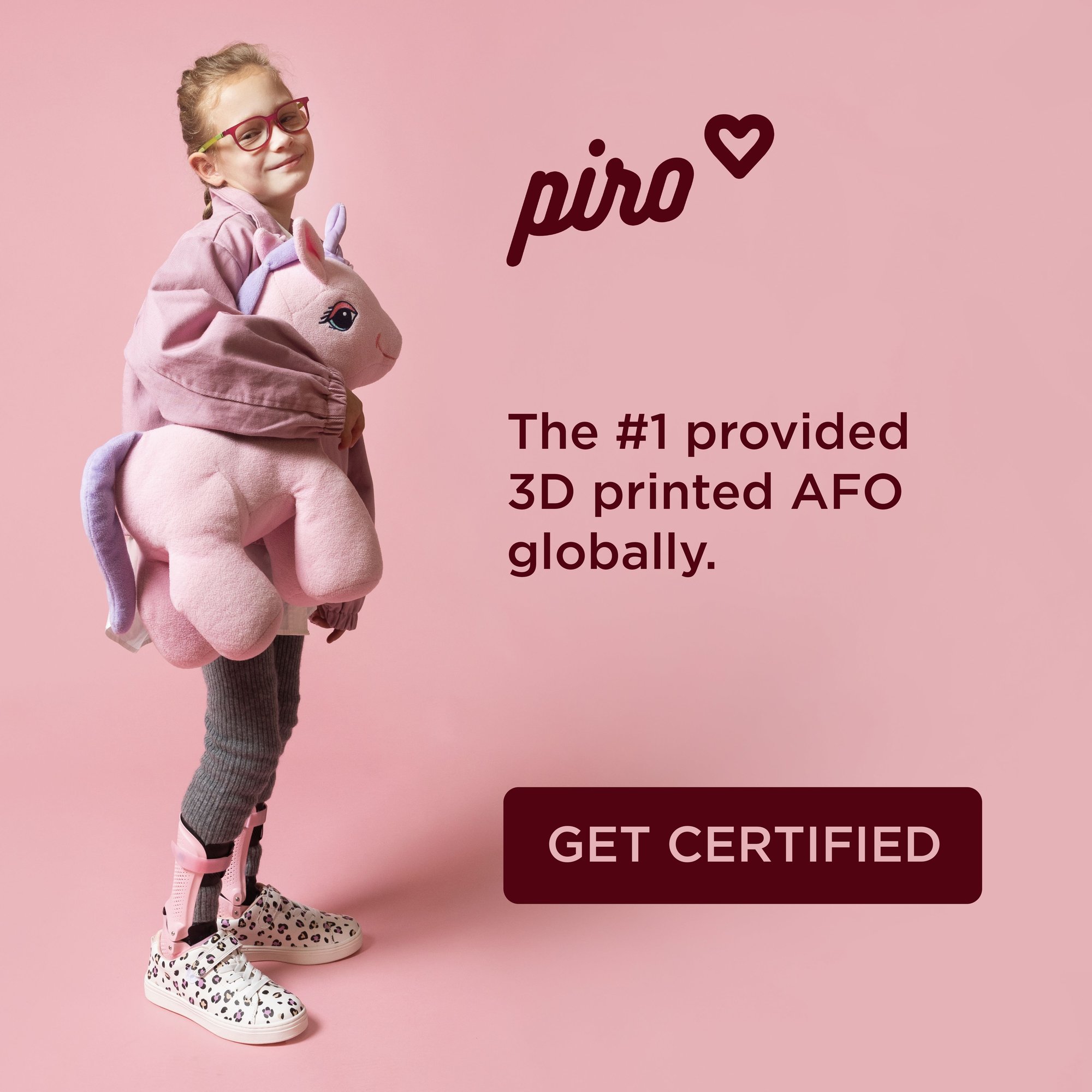
Providing structured education to referral partners (physiotherapists, orthopaedic surgeons, rehab physicians, prosthetists, and clinic staff) is one of the highest‑impact investments a device or service provider can make. Programs like Invent Medical’s Academy for Piro 3D‑printed AFOs and SMOs (https://www.inventmedical.com/academy/) show why education moves beyond marketing into care quality, uptake, and long‑term sustainability.
Key reasons to educate referral partners
Improve patient outcomes
- Trained referrers know appropriate indications, measurement protocols, and follow‑up requirements, which reduces misfits, non‑adherence, and device abandonment.
- Education ensures referrals match clinical need (right device, right time), improving function and satisfaction.
Shorten the pathway from prescription to successful use
- Clear, standardised referral forms and measurement techniques reduce back‑and‑forth, incorrect orders, and remakes — speeding delivery and lowering clinic workload.
Build clinical confidence and adoption
- Practical training (hands‑on fitting, gait review, case studies) helps clinicians trust new technologies (e.g., 3D‑printed AFOs/SMOs), accelerating uptake versus passive promotion.
Reduce costs and rework
- Correct initial assessment and ordering cuts remakes, returns, and warranty claims. That saves clinic time and supplier resources and preserves profit margins.
Strengthen multidisciplinary care
- Education fosters shared language and expectations across disciplines (referrer, fitter, rehab therapist), improving coordinated follow‑up and rehabilitation plans.
Support evidence-based practice and data collection
- Training on outcome measures and follow‑up schedules enables consistent data capture for audits, registries, and research — essential for continuous improvement and payer/ regulator engagement.
- Programs that add value (clinical education, CE credits, easy tech support) make suppliers partners rather than vendors — increasing repeat referrals and advocacy.
Mitigate risk and ensure regulatory/compliance alignment
- Teaching proper contraindications, cleaning/maintenance, and documentation reduces patient safety risks and supports compliance with clinical governance and quality systems.
What effective partner education includes (best practice)
- Clear clinical indications and contraindications.
- Standardised referral templates and measurement protocols.
- Hands‑on workshops: casting/scanning, fitting, and adjustment.
- Rehabilitation and follow‑up guidance (timing, outcome measures).
- Troubleshooting and maintenance training for clinic staff.
- Digital workflows: scanning, ordering, and tele‑consult workflows.
- Access to on‑call clinical support and case reviews.
- Materials on infection control, cleaning, and device lifespan.
- Outcome collection templates and simple audit tools.
Invent Medical’s Academy — a practical model
- Invent Medical’s Academy (https://www.inventmedical.com/academy/) exemplifies a structured approach: device‑specific training (Piro 3D printed AFOs and SMOs), hands‑on learning, and clinical resources that empower referrers to prescribe, fit, and follow up correctly. Their model shows how device vendors can enable consistent quality and scale adoption through education rather than relying only on sales outreach.
Actionable next steps for suppliers and clinics
- Build a concise, device‑specific training package (1–2 day workshop + digital resources).
- Provide standard referral and measurement templates to reduce errors.
- Offer periodic refresher sessions and case review clinics.
- Track referral quality and outcomes — use the data to refine training.
- Consider offering CE credits or certificates to incentivize participation.
Conclusion
Education for referral partners translates directly into better clinical decisions, faster delivery, fewer remakes, stronger partnerships, and measurable patient benefit. Programs modeled on focused, hands‑on initiatives like Invent Medical’s Academy are a practical way for suppliers to scale safe, effective use of innovations such as 3D‑printed AFOs and SMOs — and to make those innovations genuinely useful at the point of care.