 By
By
Overview
- Need & drivers: Pakistan (220+ million) faces substantial demand for orthotic and prosthetic (O&P) services driven by road-traffic and industrial injuries, diabetes-related lower-limb complications, congenital conditions (e.g., clubfoot, cerebral palsy), polio survivors, regional conflict and terrorism casualties, and natural disasters (floods, earthquakes).
- Market composition: A mixed ecosystem of public hospitals, charitable hospitals and NGOs, private clinics, small local workshops, and a few social enterprises. Low-cost devices dominate; a small private segment offers higher-end components and custom sockets.
- Geographic distribution: Services concentrated in major cities (Karachi, Lahore, Islamabad/Rawalpindi, Peshawar, Quetta). Rural, remote, and disaster-affected areas remain underserved.
Historical context
- Early provision: Longstanding NGO and charity-led rehabilitation clinics (post-polio era) established the initial service base; government rehabilitation centers were limited in scope.
- Conflict & disasters: Waves of conflict, terrorism-related injuries, and major natural disasters (notably earthquakes and floods) have periodically increased demand and attracted international humanitarian O&P support.
- Recent decades: Growth of private clinics and small manufacturing workshops; gradual introduction of clinical fitting standards and selective adoption of digital tools in urban centers.
Service delivery landscape
- Public sector: Tertiary hospitals and a handful of government rehabilitation centers provide basic O&P services, mostly low-cost prostheses and orthoses; follow-up and outreach are inconsistent.
- NGOs & charities: Major providers of mass-camp services, outreach, training, and low-cost device manufacture—critical in conflict- and disaster-affected regions.
- Private clinics & manufacturers: Urban clinics offer custom sockets, advanced components (imported knees/feet), and rehabilitation services for paying patients; small local workshops fabricate thermoplastic orthoses and basic prosthetic sockets.
- Mobile & outreach models: Periodic outreach camps remain essential for rural access but often lack continuity of follow-up and maintenance services.
Workforce, education & training
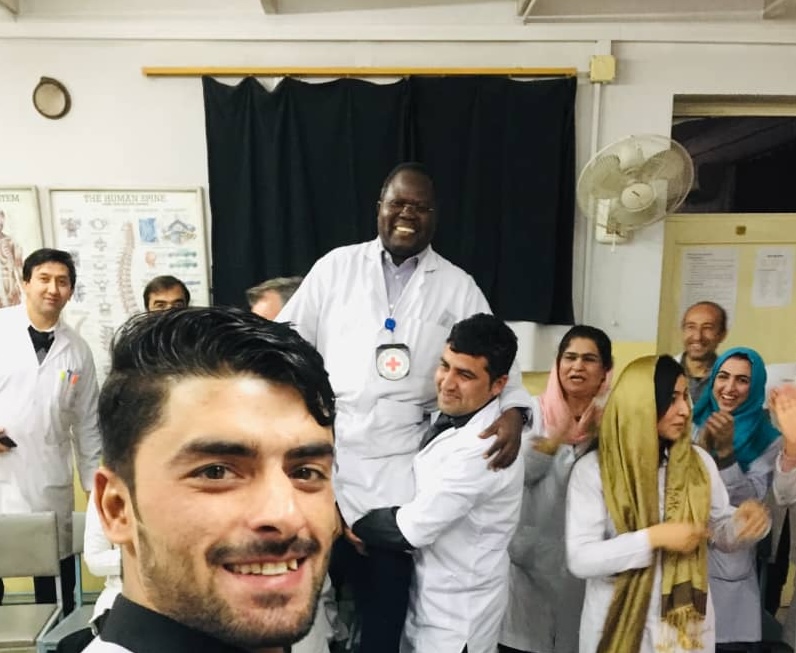
- Training pathways: Mix of diploma-level technician courses, short courses run by NGOs and vocational institutes, and a small number of bachelor-level or allied health programs offering rehabilitation education. Most training emphasizes fabrication over clinical assessment.
- Accreditation & standards: No universally enforced national accreditation for prosthetists/orthotists; some institutes and NGOs align with international curricula and partner organizations.
- Workforce shortages & distribution: Insufficient numbers of qualified prosthetists and orthotists, particularly clinicians trained in assessment, gait analysis, and rehabilitative care. Urban bias in workforce location.
- Continuing professional development: Ad hoc CPD provided by NGOs, suppliers, and occasional international collaborations; systematic CPD and certification are limited.
Technology & manufacturing
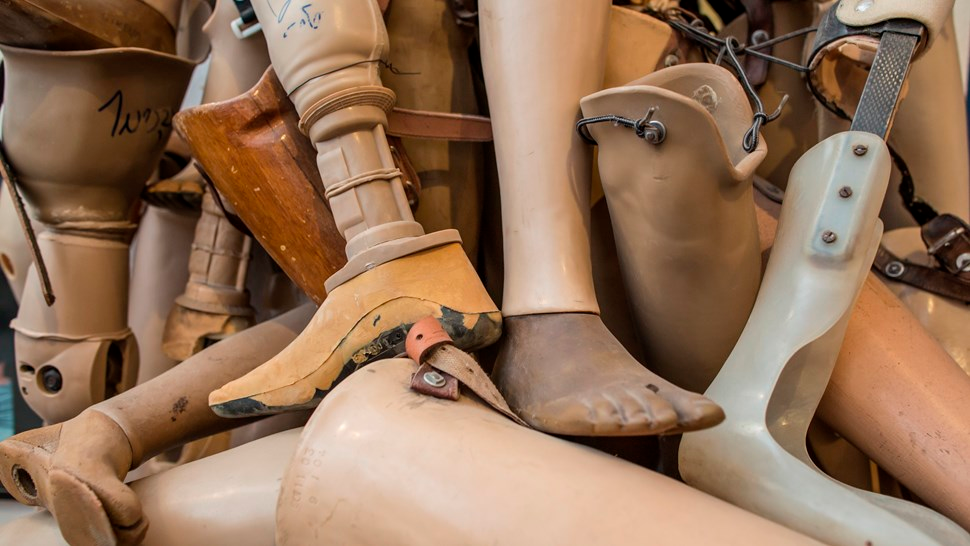
- Local manufacturing: Widespread small- and medium-scale workshops produce thermoplastic orthoses, polypropylene parts, basic sockets, and assemble imported components. Cost-effective local fabrication helps accessibility.
- Imports: High-end components (microprocessor knees, advanced liners, specialty feet) and some raw materials are imported, making advanced devices expensive and supply-sensitive.
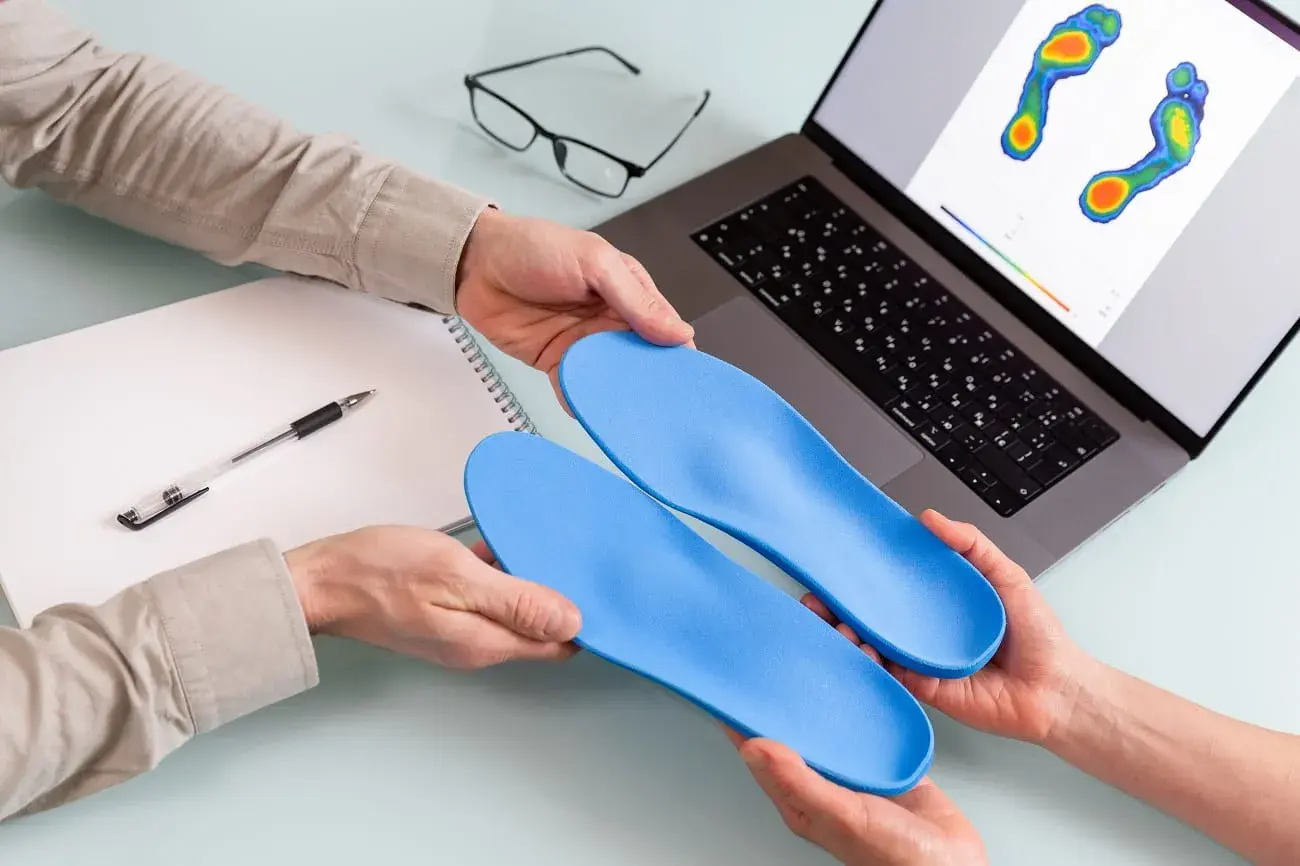
- Digital tools: Limited but emerging use of 3D scanning/CAD/CAM and 3D printing in specialized urban centers and social-enterprise labs; uptake constrained by cost, skills, and infrastructure.
- Innovation: Social enterprises and university-linked projects occasionally pilot low-cost prosthetic designs and 3D-printed solutions tailored to local needs.
Regulatory & policy environment
- National policy: Disability rights and rehabilitation are recognized in national frameworks, but O&P-specific policy, procurement standards, and financing mechanisms are fragmented across provinces and institutions.
- Reimbursement & financing: Public insurance coverage for O&P is limited; many patients rely on out-of-pocket payment, NGO support, or charity programs. Government schemes may subsidize devices for specific groups but often with narrow eligibility.
- Standards & quality control: No uniformly enforced national device and service standards; variability in device quality and clinical practice. Limited regulatory oversight of workshops and imported components.
Key stakeholders
- Government: Federal and provincial health departments, social welfare and disability departments, and military/veterans’ medical services in some contexts.
- NGOs & charities: Longstanding national and international NGOs provide majority of outreach, camps, training, and manufacturing for low-cost devices.
- Professional & academic bodies: Emerging professional groups, physiotherapy and rehabilitation departments in universities, and vocational institutes that provide training.
- Manufacturers & suppliers: Local workshops and importers; a few commercial suppliers provide higher-end imported components.
- Donors & funders: International aid agencies, philanthropic foundations, and domestic CSR programs supporting service expansion and training.
Access, affordability & equity
- Affordability: High-end prostheses and specialized orthoses are unaffordable for most; many rely on low-cost devices, charity, or second-hand components.
- Follow-up & repairs: Limited local repair networks and scarce spare-part stocks in rural areas drive device abandonment and poor outcomes.
- Social barriers: Women, rural populations, internally displaced persons, and low-income households face additional access barriers—including mobility, cultural constraints, and prioritization.
Challenges
- Workforce capacity: Shortage of clinically trained prosthetists/orthotists and uneven training quality across institutions.
- Standards & quality: Lack of national standards and quality assurance for device manufacture and clinical practice.
- Financing & procurement: Minimal insurance or state financing specific to O&P; procurement often ad hoc and donor-driven.
- Rural & disaster response: Difficulty maintaining continuous services, follow-up, and durable supply chains in remote and disaster-prone areas.
- Supply chain & technology gaps: Dependence on imports for advanced components; limited scale for domestic production of higher-end items.
- Data & evidence gaps: Sparse national data on prevalence, device needs, outcomes, and service coverage.
Opportunities
- Standardize training & certification: Develop nationally recognized curricula and certification for prosthetists/orthotists; expand clinical placements and CPD programs.
- Strengthen standards & QA: Create national technical standards for devices and clinical practice, and introduce certification or accreditation for workshops and clinics.
- Decentralize services: Hub-and-spoke models with mobile units, district-level fitting centers, and tele-rehabilitation linkages to specialists in urban centers.
- Scale local manufacturing: Invest in domestic production for mid-range components, encourage quality-focused SMEs, and support social enterprises using 3D printing for bespoke sockets and components.
- Funding & insurance innovation: Pilot inclusion of essential O&P items in provincial health schemes or social-protection programs; explore microfinance/subsidy models for devices.
- Public–private–NGO partnerships: Leverage NGO reach, private technical expertise, and government infrastructure for sustainable service models.
- Data collection & research: Establish registries, conduct outcome and cost-effectiveness studies to inform policy and financing decisions.
Practical recommendations (next steps)
- Develop a national O&P strategic framework aligning training, standards, and service rollout across provinces.
- Establish minimum device and service quality standards; pilot a provincial certification/accreditation for clinics and workshops.
- Scale accredited training with funded scholarships and mandatory clinical internships; promote task-shifting to train allied health cadres for community follow-up.
- Pilot hub-and-spoke service networks combining district clinics, mobile outreach, and telehealth with a central technical/referral center.
- Introduce a defined essential O&P item list into provincial health financing or social-protection schemes with reimbursement for follow-up and repairs.
- Support quality-focused local manufacturing via incentives, access to materials, and technical partnerships to reduce import dependence.
- Launch a national mapping and registry project to quantify need, device distribution, and outcomes—prioritize disaster- and conflict-affected districts.
Conclusion
Pakistan’s O&P sector combines committed NGOs, skilled local fabricators, and growing private capacity, but systemic gaps in workforce training, standards, financing, and rural access constrain impact. Coordinated action—standardizing education and clinical practice, strengthening quality assurance, decentralizing services, and expanding financing—can transform access and outcomes for hundreds of thousands who require orthotic and prosthetic care across the country.