 By
By
By Ogolla O. B. Kennedy
The global prosthetics and orthotics (P&O) sector is expanding rapidly. But behind the headline figures lies a deeper tension that plays out every day in clinics from Ras Ben Sakka to Cape Agulhas, Dhaka to Port-au-Prince:
Should we prioritize low-cost, accessible solutions or invest in high-value, high-performance devices?
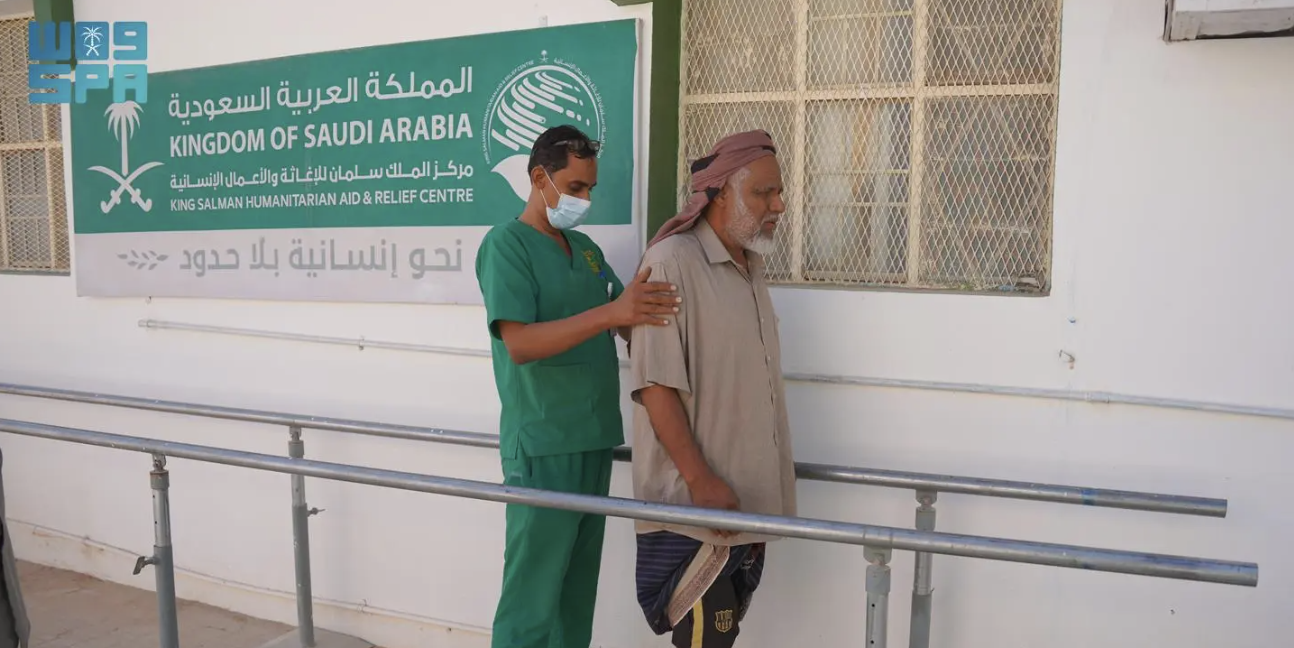
For prosthetists and orthotists on the ground across many IMEA countries, this debate is not theoretical. It determines who walks, who waits, and who goes without.
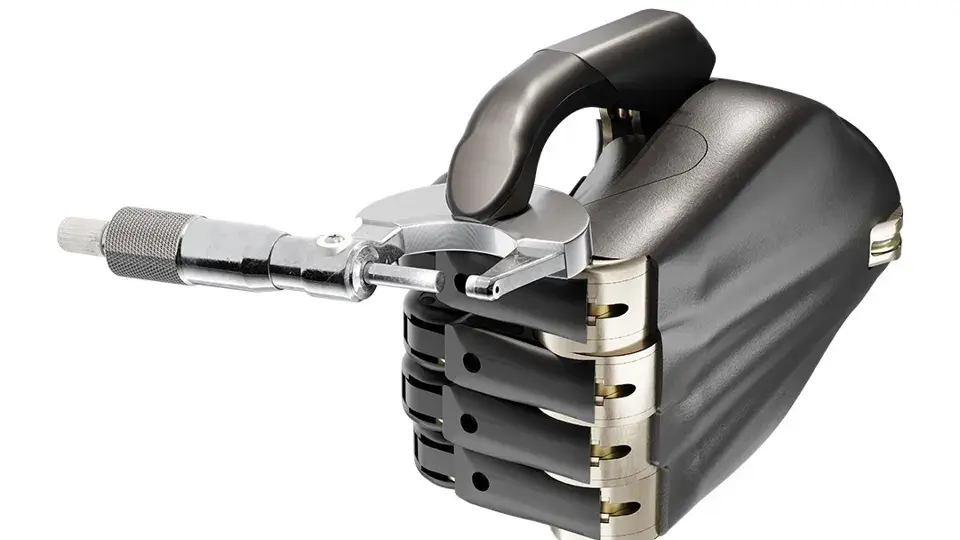
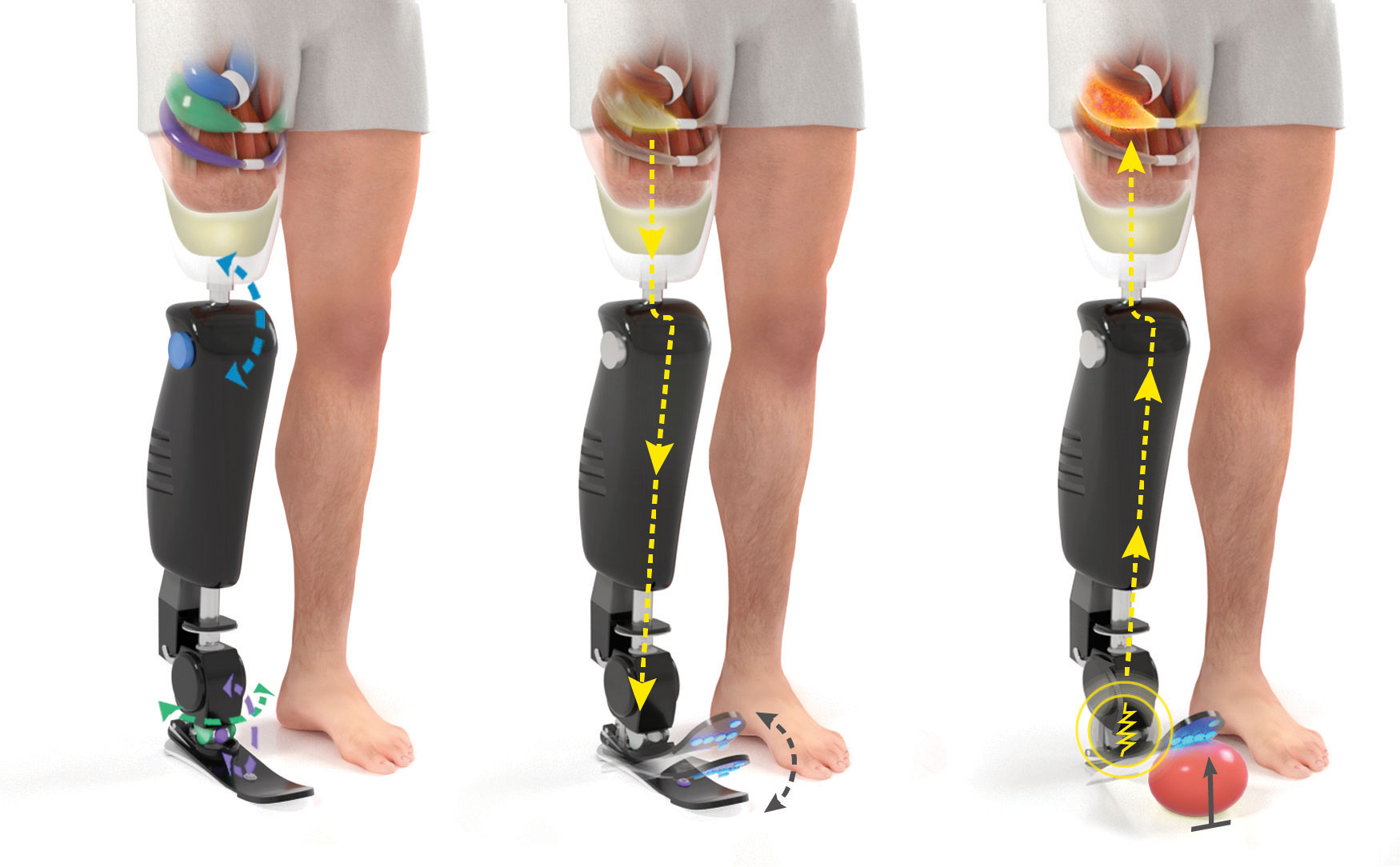
A basic below-knee prosthesis using appropriate technology may cost US$250–500 when clinical services are included, while intermediate options often average around US$1,500. At the other end of the spectrum, advanced microprocessor-controlled systems and emerging neural integration technologies can exceed US$80,000–120,000.
The gap is real, and the choices are painful.
This stark contrast isn’t just a tech tale. It sits at the heart of clinical decisions, investment priorities, workforce training, health policy, and the ethics of rehabilitation.
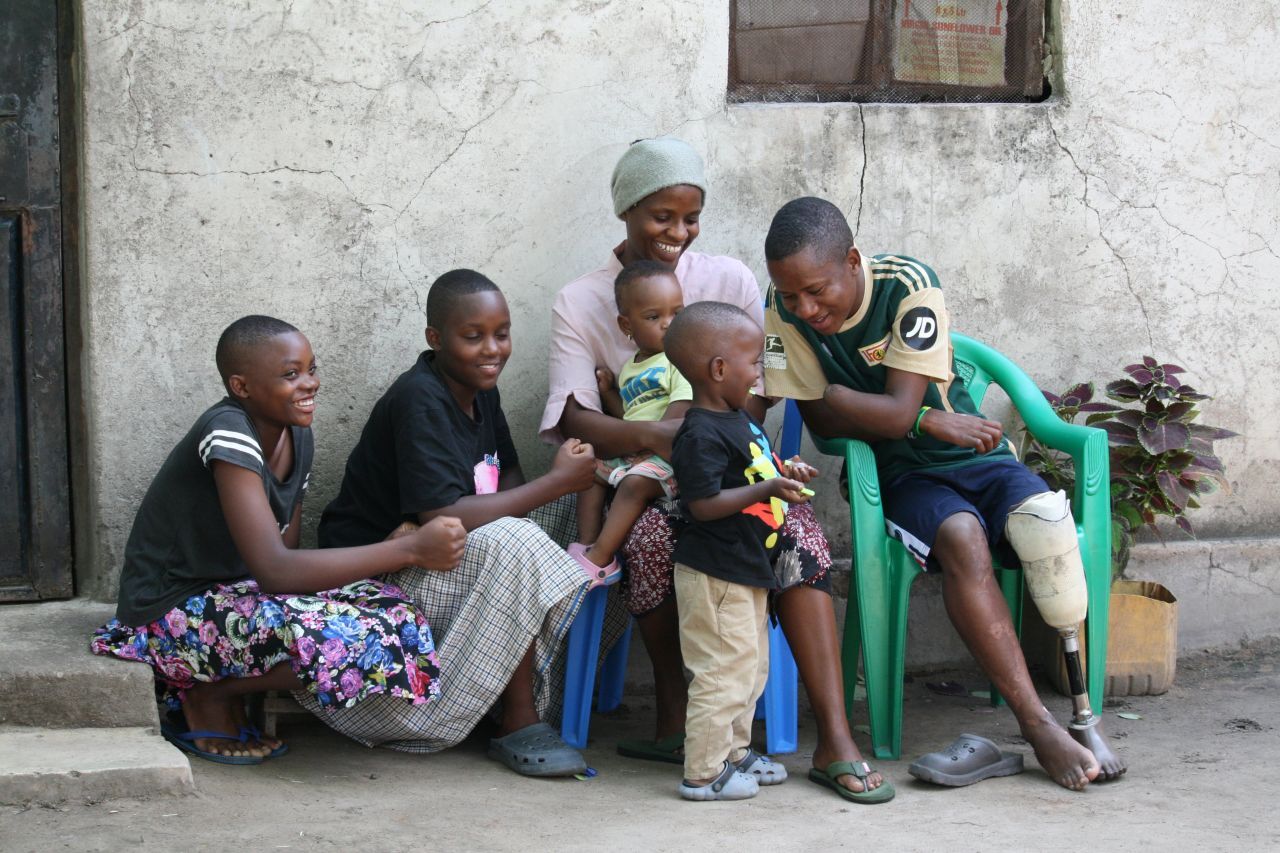
The Cost vs. Value debate is not abstract — it is about whether a farmer in the sugarcane plantations of Navakholo walks again this year, whether a schoolgirl in Kisumu abandons her device because it hurts, and whether a young man in Mombasa can return to his teaching job without developing chronic back pain.
The Booming, Unequal Market: Growth Amidst Scarcity
The global prosthetics and orthotics market is sprinting toward a future where assistive technology is increasingly sophisticated, yet profoundly unequal. Aging populations, rising diabetes-related amputations, trauma, and rapid technological integration are driving demand.
But this growth is a double-edged sword. For every individual accessing a high-end device, an estimated 90% of people in need across LMICs lack access to any appropriate assistive technology. The market is moving forward — but leaving the majority behind.
Nowhere is this tension sharper than in Kenya and other low- and middle-income countries, where economic constraints, limited insurance coverage, and system capacity collide with a growing need for life-changing technology.
The Case for Cost: Why Affordability Still Matters
A recent industry webinar on Cost vs. Value provocatively labeled NGOs providing free or subsidized devices as “part of the problem,” arguing they undermine sustainable local markets. While this highlights legitimate concerns around market distortion and long-term viability, it risks overlooking ground reality.
In Kenya and across East Africa, where over 70% of healthcare spending is out-of-pocket, cost is not just a factor — it is the primary barrier. For a subsistence farmer in Gulu, Uganda, or a market vendor in Nyakemincha, the choice is often between a basic, affordable device and no device at all.
Why cost-focused solutions remain essential:
- Wider access for low-income patients
• Ability to serve larger numbers in public hospitals
• Easier maintenance using local workshop tools
• Suitability for rural terrain and daily demands
• Faster deployment in humanitarian and high-need settings
But cost-based decisions come with compromises:
- Shorter device lifespan
• Reduced comfort and biomechanical performance
• Higher risk of secondary complications over time
• Limited adaptability for active or working users
The challenge is clear: How do we keep devices affordable without compromising patient well-being — or creating avoidable long-term costs for health systems?
The Case for Value: Why Premium Solutions Matter
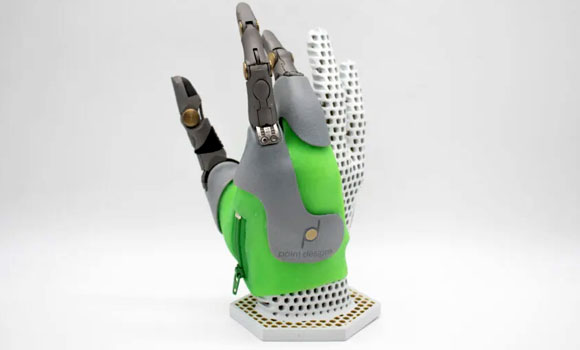
The Prosthetics & Orthotics industry is undergoing a major global shift. Manufacturers are rolling out modular prosthetic feet, carbon-fiber components, microprocessor knees, and digital fabrication systems that promise improved gait efficiency, higher comfort, and better long-term outcomes.
In this context, value transcends device price. It encompasses long-term health outcomes, economic productivity, and quality of life. A high-value device is not simply a product — it is an investment.
Advantages of value-based technologies include:
- Improved gait symmetry and reduced energy expenditure
• Longer service life, reducing replacement cycles
• Higher patient satisfaction, confidence, and social reintegration
• Potential reduction in long-term healthcare costs
Barriers in LMICs remain significant:
- High upfront cost
• Import delays and complex procurement processes
• Limited insurance coverage
• Need for specialized training and infrastructure
• Some technologies poorly adapted to local terrain and climate
Restricting LMICs to only basic solutions risks entrenching inequality and limiting economic participation for more active users.
Beyond the Binary: The Right Balance for the User
And as the cost vs. value continue to make headlines in webinars, conference halls, and high-level policy meetings, too often, this debate overlooks the voices of the people it intends to serve:
- “I need something that will not break when I carry 50 kg of maize.”
• “Sorry, I cannot afford that.”
• “I want to wear shoes like everyone else.”
• “If it needs an expert who only exists in Nairobi, it is useless to me.”
• “I am willing to save for two years if the leg will truly last ten.”
Value, in practice, is defined by the user — not the brochure.
The most constructive perspective moves beyond cost OR value to a unified framework of cost AND value. The goal is maximizing value at every price point, within real-world system constraints.
Key considerations and hybrid strategies already emerging include:
User-centered, outcome-based design
Value is contextual. A manual laborer in Turkana may prioritize durability and repairability, while an office worker in Nairobi may value comfort and discreet design.
Total cost of ownership
A cheaper device that requires frequent replacement or leads to secondary health issues may carry a higher long-term cost for both patients and health systems.
Tiered device ecosystems
Offering good, better, and premium options enables informed choice based on need, activity level, and financial ability.
Local innovation and adaptation
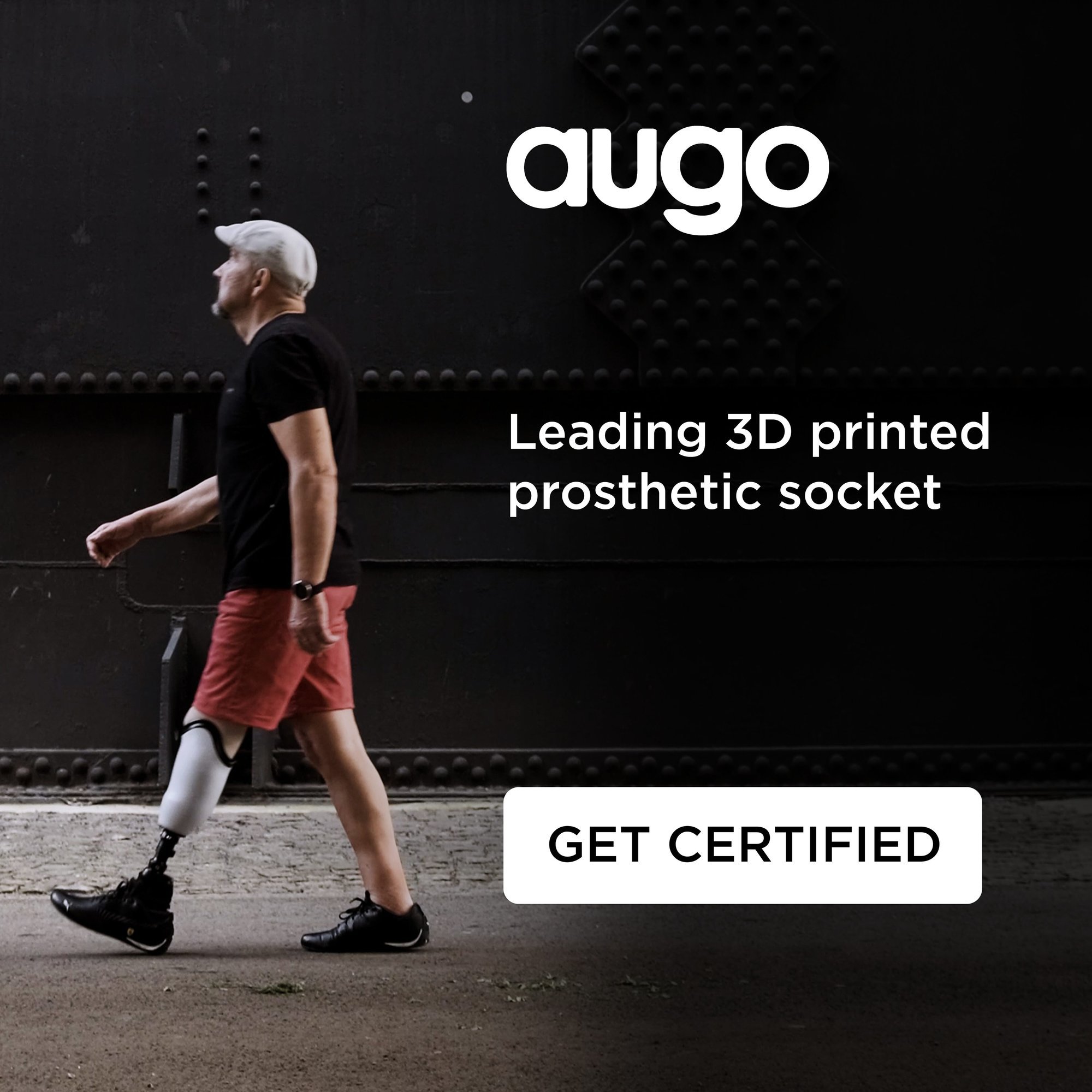
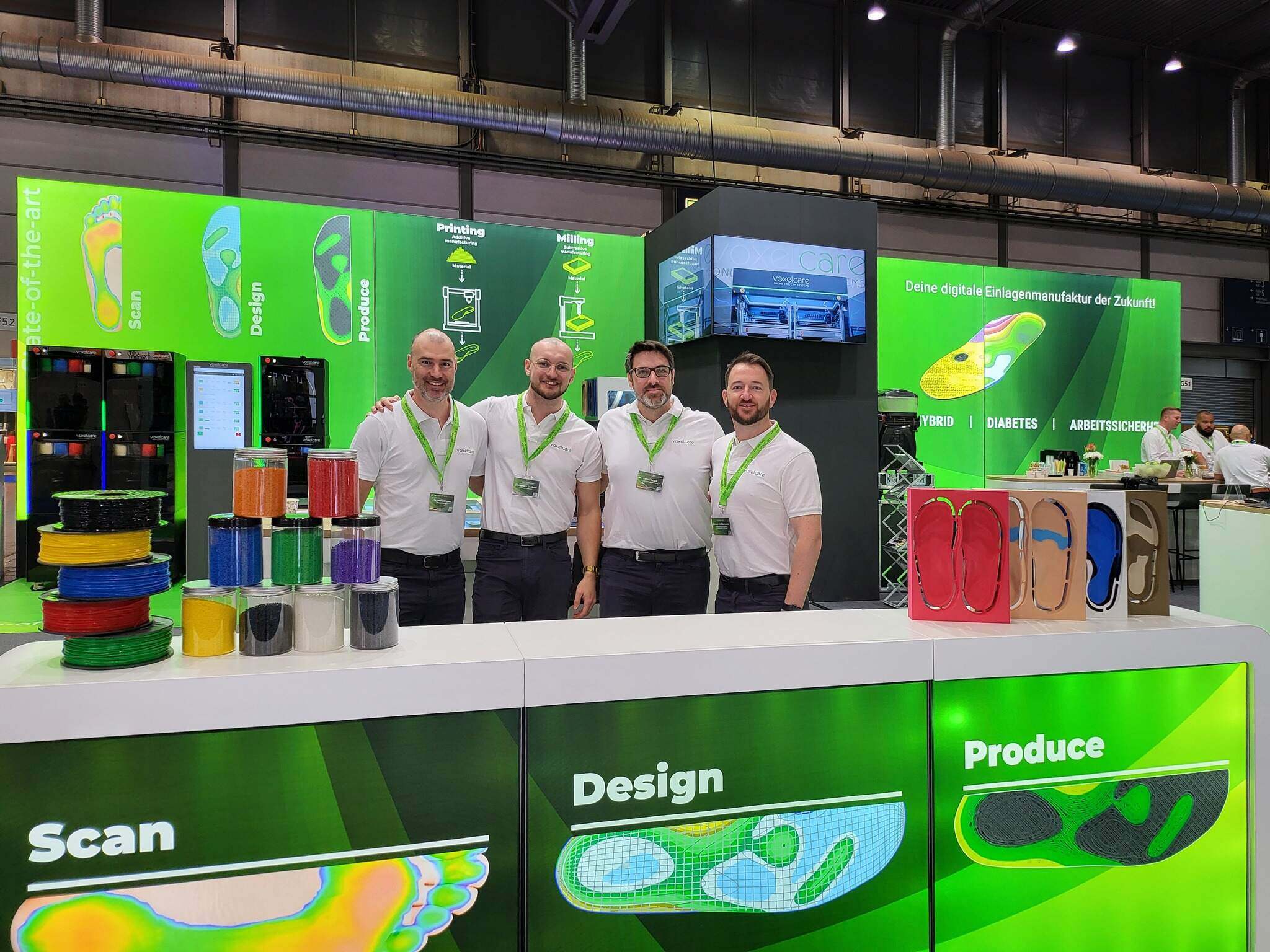
Kenyan startups and workshops are prototyping 3D-printed sockets, mobile fitting solutions, and rugged designs suited to local life. Mixed-material fabrication — combining locally produced components with imported high-value parts — can improve performance while managing cost.
Improved financing models
Insurance reform, micro-financing, cross-subsidization, and donor co-payment models can help bridge affordability gaps and unlock access to better outcomes.
What This Debate Means for Kenya and East Africa’s Future
Kenya and the entire East Africa stand at a strategic point in shaping its P&O sector. To build a resilient, competitive, and patient-centered ecosystem, several questions deserve careful consideration:
- What minimum quality standards should be nationally enforced?
• How do we balance local manufacturing with smart importation of innovation?
• How do we train professionals in modern techniques without abandoning robust low-cost methods?
• What sustainable financing and reimbursement models ensure no patient is left behind?
The decisions made today will shape the next decade of mobility, dignity, and participation.
Conclusion: It’s Ultimately About the Person, Not the Product
The cost-versus-value debate is necessary — but it should never overshadow the core principle of rehabilitation:
Every person deserves a device that offers dignity, functionality, and sustainable mobility.
Kenya and East Africa have the opportunity — and the ingenuity — to build a hybrid P&O ecosystem that respects affordability while embracing innovation. Progress will not be measured by the sophistication of our most advanced devices alone, but by the quality of life, economic participation, and system sustainability delivered to the widest possible circle of people who need them.
How do you balance cost and value in your daily clinical and system-level decision-making?
The conversation matters — because the choices we make today shape mobility for years to come