 By
By
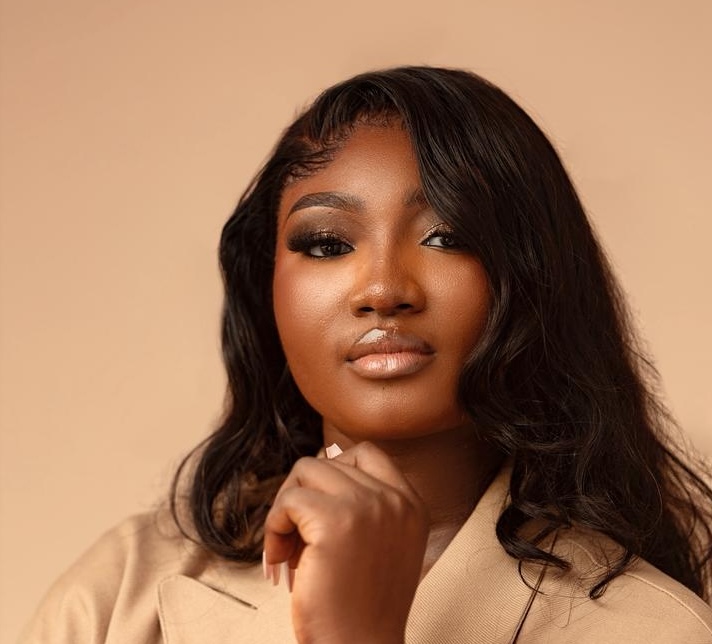
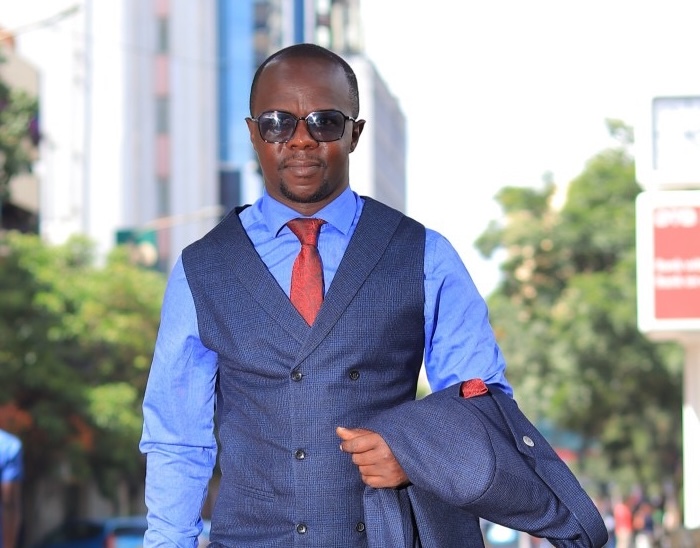
My name is Bukola Omotosho. I am based in Lagos, Nigeria, where I live and lead my clinical practice. I initially studied Prosthetics and Orthotics at the Federal College of Orthopaedic Technology (FECOT), Igbobi, Lagos. Driven by a commitment to academic and clinical excellence, I proceeded to further my education at the University of Medical Sciences (UNIMED), Ondo, where I am currently pursuing my Bachelor’s degree in the Department of Prosthetics and Orthotics, Faculty of Medical Rehabilitation. I am the founder and lead clinician-entrepreneur at Boldcare Prosthetics.
What do you claim is your speciality - your O&P passion?
My passion lies in "Functional Reintegration." While the hardware; the limb or the brace is essential, my specialty is ensuring that the device becomes a seamless extension of the person. I am particularly passionate about lower-limb prosthetics and pediatric orthotics, where the goal is to ensure that a physical challenge during childhood doesn't dictate a child’s future mobility or self-esteem.
What do you like most about practicing O&P?
The "First Step" moment. There is an incredible, almost sacred, energy in the room when a patient stands up on a limb we have spent weeks hand-crafting. Seeing the transition from a place of dependency to that first independent step is a reminder that our work is a unique blend of medical science, engineering, and art.
What frustrates you about O&P?
The "Accessibility Gap." It is heartbreaking when a patient has the perfect clinical profile for a life-changing device but is limited by the high cost of components or a lack of local insurance coverage. My frustration with these barriers is exactly what drove me to found Boldcare—I wanted to find ways to make high-standard care more affordable through local fabrication and efficient clinical workflows.
What is your greatest patient story in O&P?
One story that stays with me involves a young father who had lost his limb in a road accident. He was convinced he would never return to his job or play with his children again. We worked through a very intensive fitting and gait training process. A few months later, he sent me a video of himself not just walking, but at a job site, fully back to his normal life. It wasn't just about the leg; it was about restoring his identity as a provider for his family.
How do you build rapport with patients in your care?
I listen more than I speak during the initial consultation. Patients coming to us are often navigating a traumatic life change. I build rapport by acknowledging their fears first, rather than just looking at their residual limb. I explain the "why" behind every measurement and every casting step. When a patient understands the process and feels heard, they become an active partner in their own rehabilitation, which always leads to better outcomes.