 By
By
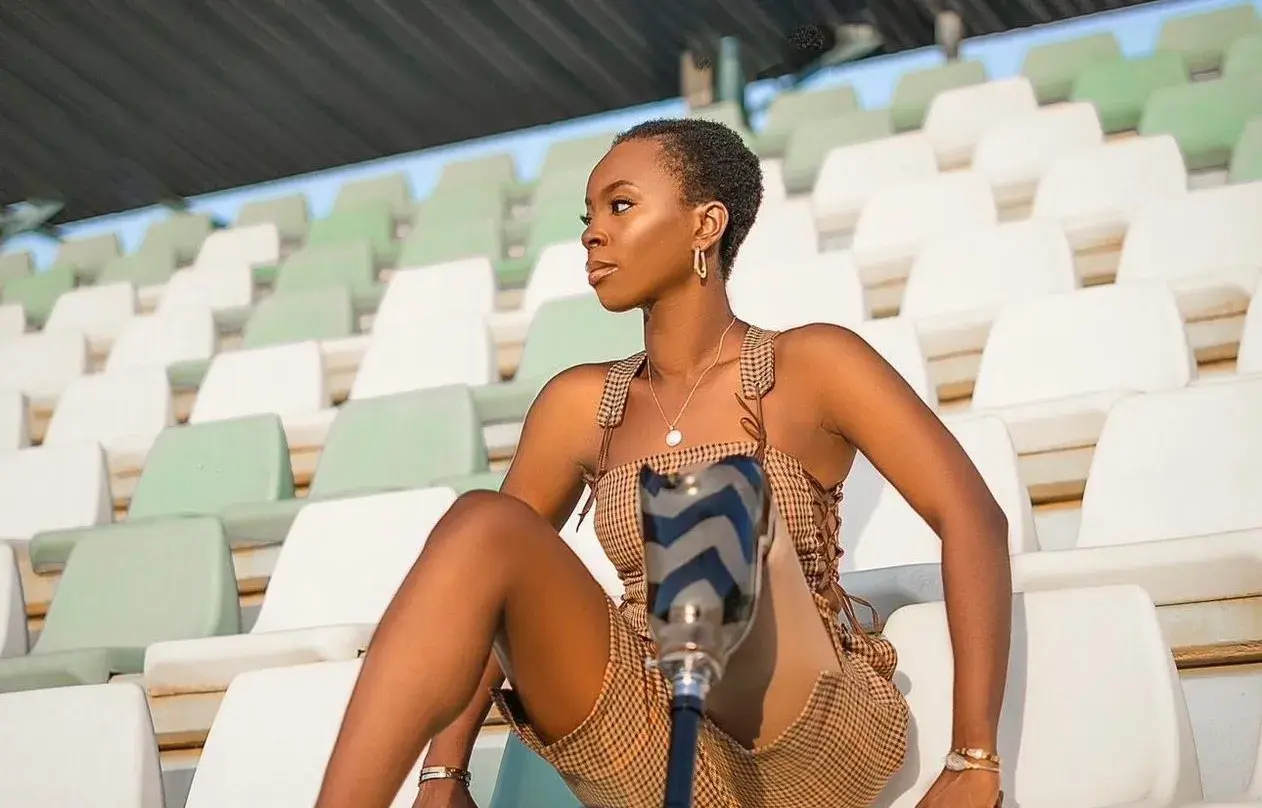
A stronger call is emerging in Nigeria for disability inclusion to move beyond sympathy and become part of mainstream decision-making, employment, media, and innovation.
In an interview republished by AllAfrica from Premium Times, Nigerian limb loss advocate Eva Chukwunelo argued that inclusion must be measured not by goodwill alone, but by whether people with disabilities are given real access to opportunity, visibility, and participation across society. The interview was published on 17 April 2026 and framed around limb loss awareness, social stigma, and the wider need for structural inclusion.
Chukwunelo, who lost a limb at age 17 due to osteomyelitis, spoke about the importance of self-acceptance, community, and public visibility. Her message was that disability should not be hidden, and that meaningful inclusion starts when people with disabilities are seen as active contributors rather than passive recipients of support.
One of the most important points in the interview is her insistence that kindness, while valuable, is not enough. She called on employers, educators, and leaders in sectors such as technology, entrepreneurship, STEM, and policy to intentionally create space for people with disabilities. In her framing, sustainable inclusion means practical participation in work, public life, and leadership rather than isolated acts of charity.
For the rehabilitation and O&P community, that is a significant distinction. A disability-inclusive system is not only about the availability of prosthetic limbs or assistive devices, but also about whether those technologies lead to long-term mobility, economic independence, representation, and full social participation. Chukwunelo explicitly described technology as a bridge to equality, pointing to prosthetic limbs, cochlear implants, braille displays, screen readers, voice navigation, and adaptive digital tools as enablers of independence.
She also highlighted the need to close the digital divide for disabled people in Nigeria, arguing that unequal access to digital literacy and digital opportunity can deepen exclusion. That point is increasingly relevant across IMEA markets, where digital health, remote work, education technology, and AI-enabled accessibility tools are becoming more central to rehabilitation and inclusion strategies. This broader regional relevance is an editorial inference based on the issues raised in the interview.
Representation was another major theme. Chukwunelo argued that disabled people need to be visible in media, film, fashion, public discussion, and professional life, not only in narrowly defined “disability spaces.” She said inclusion becomes real when disabled voices are present in mainstream conversations such as health innovation, urban infrastructure, fintech, education, and leadership.
That position resonates strongly with current thinking in rehabilitation and disability rights. For clinicians, prosthetists, orthotists, rehabilitation teams, NGOs, and policymakers, the challenge is not only to restore function after limb loss, but also to support dignity, confidence, and participation in everyday life. The article ultimately reinforces a wider truth: people living with limb loss should be included not as symbols of resilience, but as professionals, creators, decision-makers, and citizens whose perspectives belong in every room that shapes society. This final framing is an analytical conclusion drawn from the interview’s central argument.