 By
By
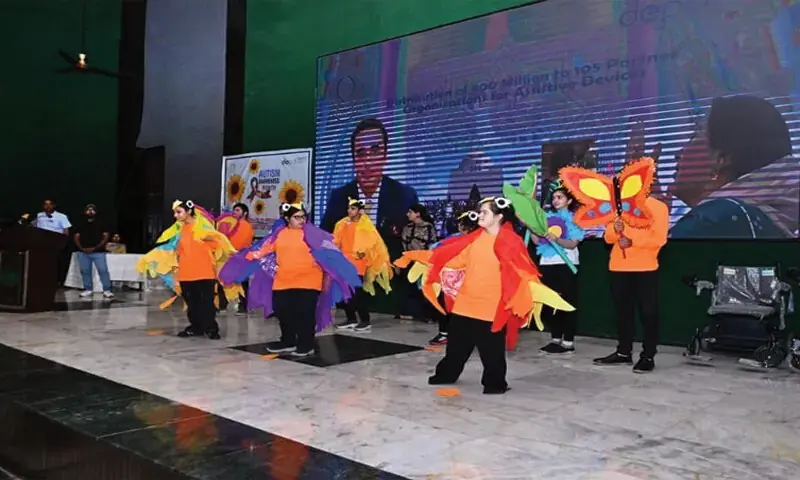
The Government of Sindh has announced a major disability inclusion measure, releasing Rs800 million through 105 partner organisations and NGOs to support the provision of assistive devices for persons with disabilities across the province. The initiative was announced by Sindh Chief Minister Syed Murad Ali Shah at a ceremony organised by the Department of Empowerment of Persons with Disabilities (DEPD) at the CM House in Karachi.
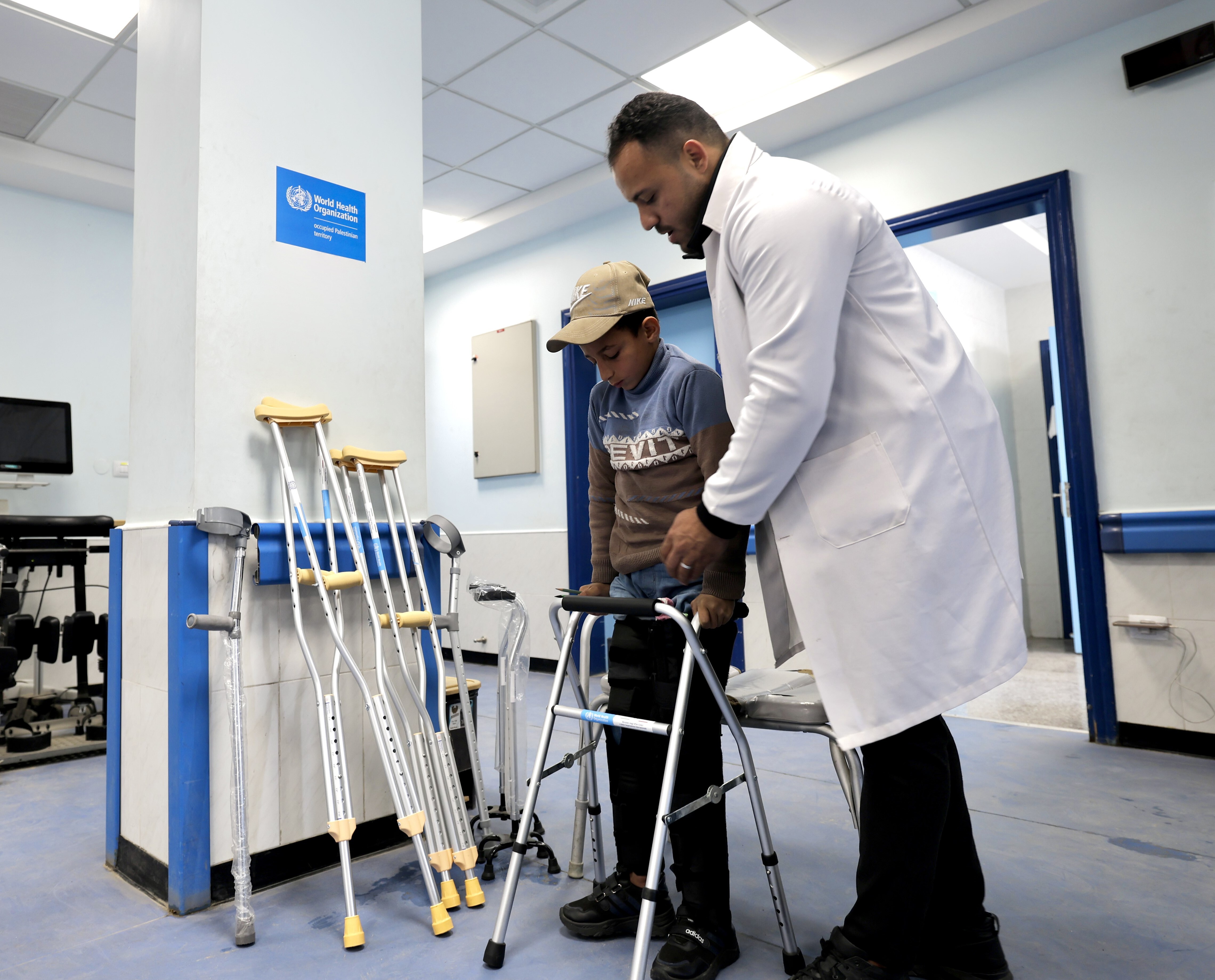
According to local reporting, the funding will support access to devices including wheelchairs, hearing aids, prosthetics, and other assistive products intended to improve independence, participation, and quality of life for disabled persons. The Sindh government described the move as part of a wider commitment to inclusion, dignity, and equal opportunity.
For the rehabilitation and O&P sector, the announcement is notable because it links public funding with delivery through partner organisations that can help reach users at community level. In practical terms, that kind of model can help accelerate access to essential mobility and sensory support products, especially where public systems alone may struggle to cover demand. This is an inference based on the government’s decision to channel support through a large network of partner organisations and NGOs with grassroots reach.
The initiative also sits within a broader disability agenda in Sindh. Murad Ali Shah said the provincial government is working to expand DEPD services to the taluka level, strengthen implementation of the 5 percent public-sector job quota for persons with disabilities, and encourage similar uptake in the private sector. Additional reporting noted plans around inclusive education, teacher capacity-building, autism rehabilitation coordination, and a more comprehensive disability census to improve planning and service delivery.
For IMEA CPO readers, the significance goes beyond the headline funding figure. Large-scale public investment in assistive devices can create stronger pathways into rehabilitation, prosthetic fitting, hearing support, and broader disability services. The real impact, however, will depend on implementation quality, partner capacity, assessment processes, follow-up, and whether devices are matched to long-term user needs rather than distributed as one-off interventions. That final point is an analytical observation, but it follows directly from the stated emphasis on transparency, accountability, and effective implementation.
At a regional level, the announcement reflects a growing recognition that assistive technology is not a peripheral welfare issue, but a core part of inclusive health and rehabilitation systems. For professionals across prosthetics, orthotics, physiotherapy, audiology, special education, and disability services, programmes like this can be an important step toward improving functional outcomes, social participation, and dignity for persons with disabilities.
The News International report
Dawn coverage of the announcement
Pakistan Today coverage