 By
By
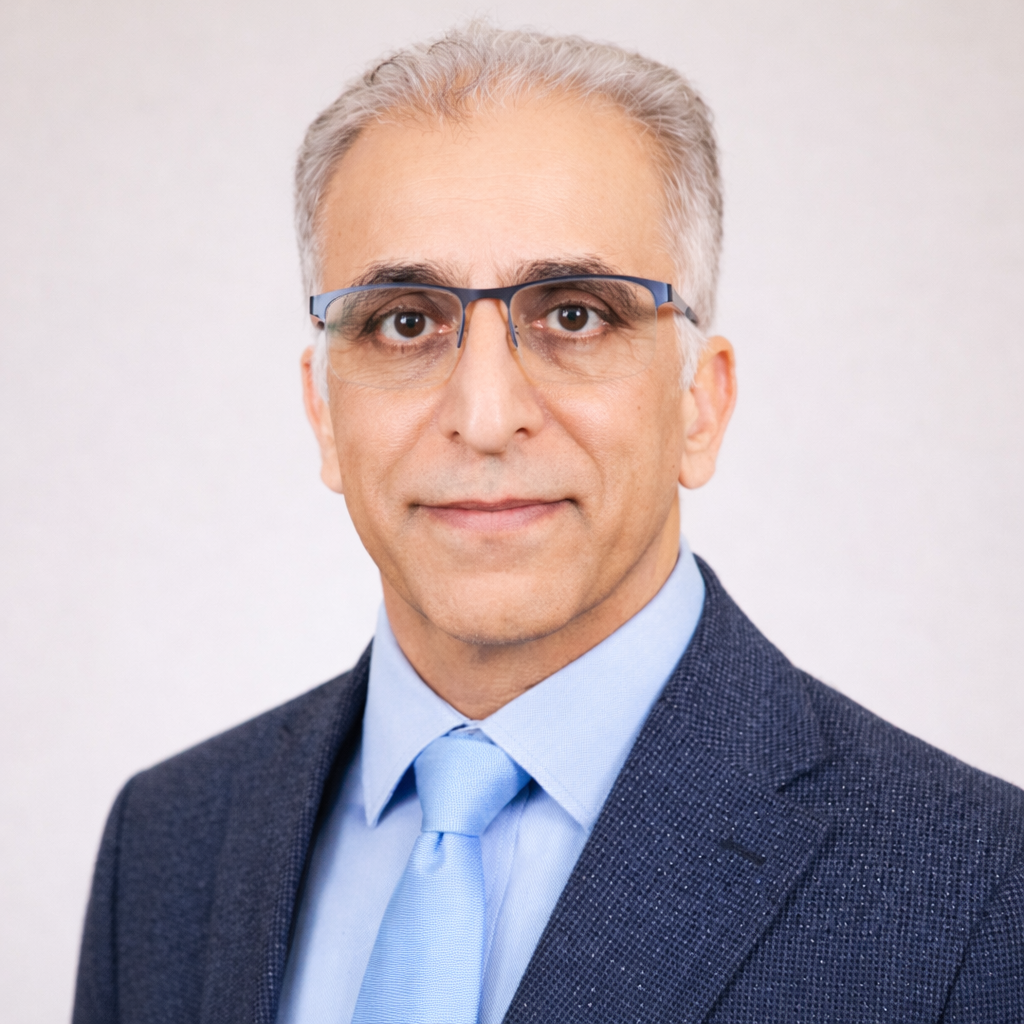
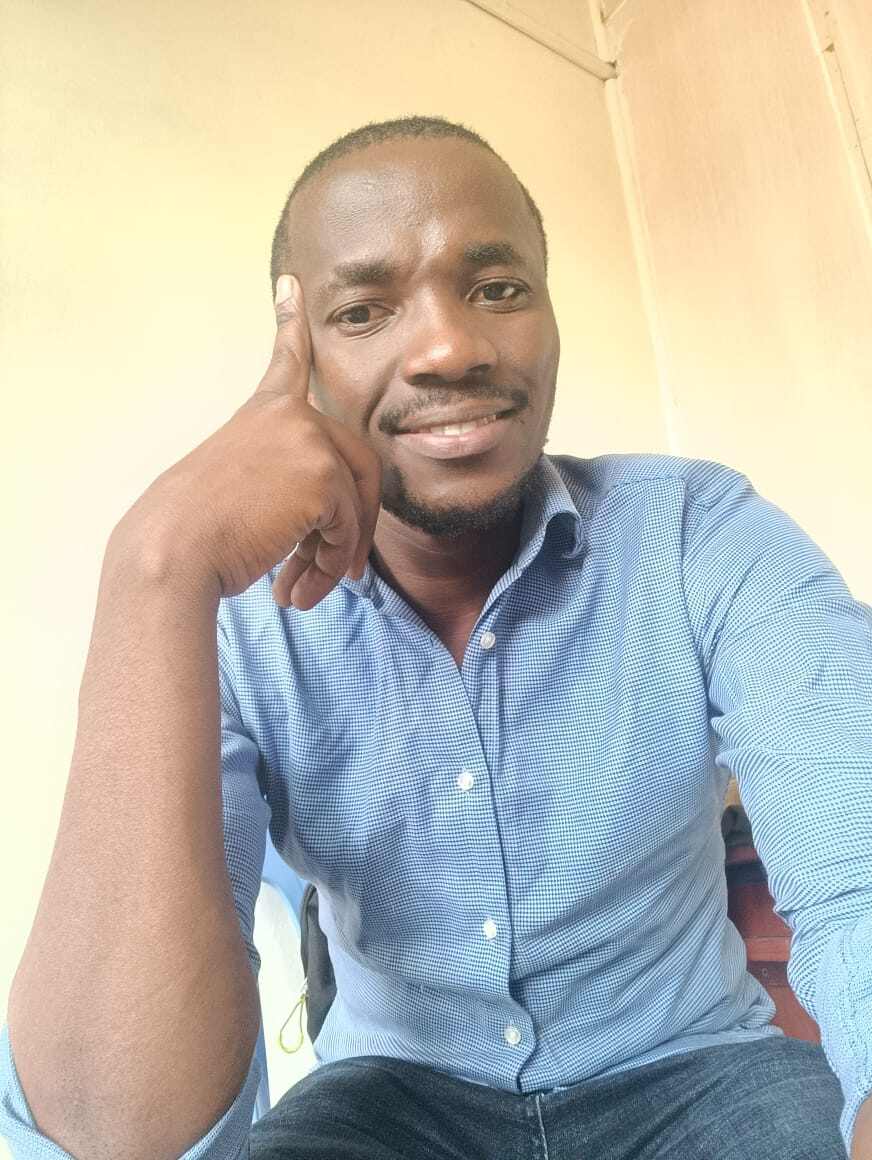
I am Ogolla O. Brian Kennedy and I am based in Mt. Elgon, Western Kenya, along the Kenya–Uganda border, with professional engagements across East Africa.
I studied Orthopaedic Technology at Kenya Medical Training College (KMTC), Nairobi Campus and graduated in 2010. My training provided strong clinical foundations, with significant exposure to community-based rehabilitation and practice in resource-limited settings.
I currently work at ALFA Rehabilitation Centre, a small but purpose-driven unit focused on bringing dignity, function, and independence to people who need it most, particularly in underserved communities.
Alongside my clinical work, I run WinK Dev Solutions, an IT support, website & software design, and programming company that helps organisations — in healthcare and beyond — position themselves for growth and impact across East Africa. Through this work, I am actively involved in software design and full-stack development, with a growing focus on digital solutions that strengthen service delivery systems.
What do you claim is your specialty – your O&P passion?
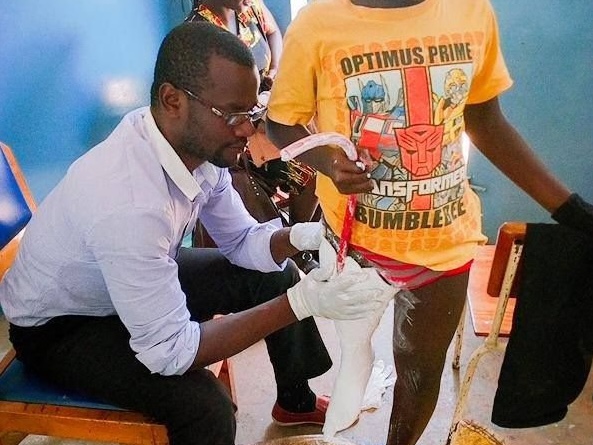
My core passion is patient-centred prosthetic and orthotic care in low-resource settings.
Beyond direct clinical work, I have a strong interest in market research, systems improvement, and the development of technology solutions that can improve access to rehabilitation services, efficiency of service delivery, and long-term outcomes in LMICs. I am particularly interested in how appropriate technology, data, and digital tools can support scalable and sustainable rehabilitation models.
What do you like most about practicing O&P?
Seeing function restored and confidence rebuilt.
O&P sits at a unique intersection of technical skill and human connection. Every device tells a story, and every patient interaction is a reminder that rehabilitation is not just about mobility — it is about identity, participation, and dignity.
What frustrates you about O&P?
One of my biggest frustrations is that rehabilitation is often treated as an afterthought in serious health and medical policy discussions. Despite its direct impact on quality of life, productivity, and long-term health outcomes, rehab is still too often discussed “by the way,” rather than with the seriousness it deserves.
This gap between potential and priority — in policy, funding, and systems planning — continues to limit what patients could achieve. At the same time, it fuels my interest in advocacy, systems thinking, and innovation within the sector.
What is your greatest patient story in O&P?
One story that continues to ground my work is that of Sylvia, a bilateral below-knee amputee who had dropped out of school simply because she had no reliable means of mobility.
Through the support of well-wishers, Sylvia received bilateral prostheses and consistent rehabilitation support. She returned to school, completed her education, and has since graduated from college. Today, she is highly independent, navigating adult life with resilience — while facing the same employment challenges many young people encounter in the developing world.
Without access to prosthetics and rehabilitation, her story would have been very different. For me, Sylvia’s journey is a reminder that rehabilitation changes life trajectories, not just movement patterns.
How do you build rapport with patients in your care?
Rapport begins with honesty.
I am always transparent with patients about the options available, what is realistic within their context, and what will likely serve them best in the long term. By making joint, informed decisions, patients become active participants in their care rather than passive recipients and will have a more cordial relationship with me going forward. I do not force a given type of technology or rehabilitation path down the throats of my clients.
Listening before treating, setting realistic expectations, and respecting a patient’s lived reality are central to building trust and achieving meaningful outcomes.