
 By
By

The Foot Orthotic Insoles Market is emerging as a vital segment within the global healthcare and wellness industry, driven by increasing awareness of foot health, rising prevalence of musculoskeletal disorders, and growing emphasis on preventive care. Foot orthotic insoles are specially designed inserts used to support, align, and improve the function of the foot, helping alleviate pain associated with conditions such as plantar fasciitis, flat feet, arthritis, and diabetic foot complications. Their role extends beyond clinical treatment into everyday wellness, sports performance, and occupational health. As healthcare systems increasingly prioritize non-invasive, cost-effective interventions, foot orthotic insoles are gaining recognition as essential solutions that enhance mobility, productivity, and quality of life. Comprehensive market insights and growth analysis are available at Foot Orthotic Insoles https://www.strategicrevenueinsights.com/industry/foot-orthotic-insoles-market, offering a detailed perspective on the economic and clinical relevance of this expanding industry.
Rising Health Awareness and Lifestyle-Driven Demand
Demand for foot orthotic insoles is closely linked to changing lifestyles and growing health awareness across global populations. Sedentary work patterns, prolonged standing occupations, obesity, and sports-related activities have contributed to a rise in foot and lower-limb disorders. At the same time, ageing populations in both developed and emerging economies are experiencing higher incidence of joint degeneration and balance-related issues, increasing reliance on orthotic support. Consumers are becoming more proactive in addressing discomfort and preventing long-term complications, driving steady uptake of orthotic insoles across retail, clinical, and online distribution channels.
Market Trends Shaping the Foot Orthotic Insoles Sector
The Foot Orthotic Insoles sector is being shaped by notable trends centered on personalization, innovation, and evolving consumer preferences. One of the most significant trends is the shift from generic, mass-produced insoles toward customized and semi-customized solutions that offer improved fit and targeted support. Athletes and active individuals are increasingly seeking performance-enhancing orthotics designed to optimize gait and reduce injury risk. Additionally, there is growing acceptance of orthotic insoles as everyday wellness products rather than purely medical devices. This trend is expanding the consumer base and encouraging brands to focus on comfort, aesthetics, and ease of use alongside clinical effectiveness.
Innovation and Consumer-Centric Product Development
Innovation in the Foot Orthotic Insoles market is increasingly driven by consumer-centric design and clinical validation. Manufacturers are investing in research to develop insoles that address specific biomechanical needs while maintaining lightweight and breathable construction. Enhanced cushioning, shock absorption, and arch support are being integrated into product designs to improve user comfort during prolonged wear. End users are also demonstrating preference for insoles that fit a wide range of footwear, from athletic shoes to formal and occupational footwear, prompting manufacturers to refine form factors and materials.

Technological Advancements Transforming Orthotic Solutions
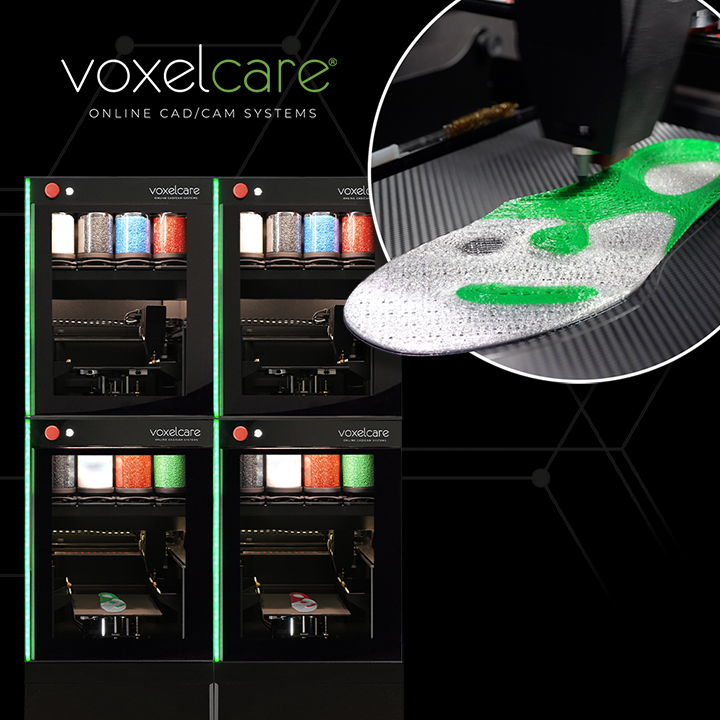
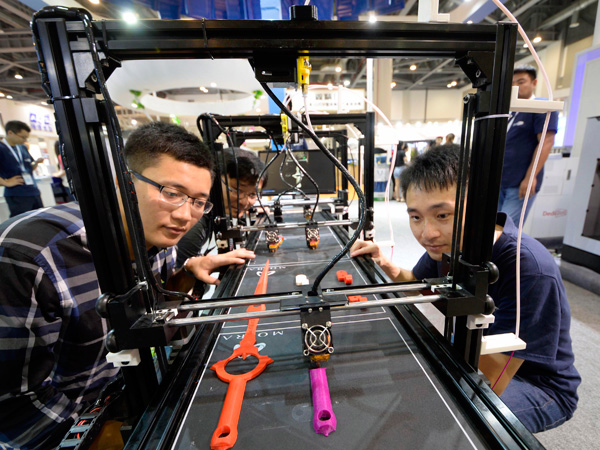
Technological advancements are reshaping the Foot Orthotic Insoles landscape, particularly through automation, digital assessment tools, and advanced manufacturing techniques. Computer-aided design and 3D scanning technologies are enabling precise foot measurements, allowing for customized orthotic solutions with improved accuracy and faster turnaround times. Automation in manufacturing is improving consistency, scalability, and cost efficiency, making advanced orthotic solutions more accessible to a broader consumer base. These technologies are also supporting rapid prototyping and innovation, enabling manufacturers to respond quickly to emerging clinical insights and consumer demands.
Materials Innovation and Smart Integration
Advancements in materials science are playing a critical role in enhancing the performance and durability of foot orthotic insoles. Modern insoles increasingly utilize advanced polymers, memory foams, carbon composites, and gel-based materials to balance flexibility, support, and resilience. Breathable and antimicrobial materials are being incorporated to improve hygiene and comfort, particularly for long-term use. In parallel, smart orthotic concepts are emerging, integrating sensors and data analytics to monitor gait patterns, pressure distribution, and activity levels. These developments are positioning orthotic insoles at the intersection of healthcare, wearable technology, and personalized wellness.
Sustainability Challenges and Environmental Considerations
Despite strong market growth, the Foot Orthotic Insoles industry faces sustainability challenges related to material sourcing, manufacturing waste, and end-of-life disposal. Many traditional insoles are made from synthetic polymers that are difficult to recycle, raising concerns about environmental impact. As global awareness of sustainability increases, consumers and healthcare providers alike are scrutinizing the environmental footprint of medical and wellness products. Industry assessments suggest that reducing material waste and improving recyclability are becoming important considerations in product development and procurement decisions.
Industry Initiatives Toward Sustainable Practices
In response to environmental concerns, manufacturers in the Foot Orthotic Insoles market are exploring more sustainable practices and materials. Efforts include the use of recyclable or bio-based materials, reduction of excess packaging, and adoption of energy-efficient manufacturing processes. Some companies are also investing in take-back or recycling programs aimed at minimizing landfill waste. These initiatives reflect a growing recognition that sustainability and product performance must advance together to meet regulatory expectations and evolving consumer values.
Market Analysis and Competitive Landscape
The global Foot Orthotic Insoles market features a competitive landscape comprising medical device manufacturers, specialized orthotics companies, sports brands, and emerging digital health startups. Market dynamics are influenced by factors such as product innovation, clinical credibility, pricing strategies, and distribution reach. North America and Europe represent mature markets with high awareness of foot health and established reimbursement frameworks for medical orthotics. Asia-Pacific is emerging as a high-growth region, driven by expanding healthcare access, rising disposable incomes, and increasing participation in sports and fitness activities. Market forecasts indicate sustained growth supported by demographic trends and technological advancements.
Product Categories and End-Use Segments
Foot orthotic insoles are available across a range of product categories, including custom-made, prefabricated, and over-the-counter solutions. Clinical settings account for significant demand for custom orthotics, particularly for patients with chronic conditions or complex biomechanical needs. Retail and online channels are experiencing rapid growth for prefabricated and wellness-oriented insoles, catering to consumers seeking convenient and affordable solutions. The expanding role of e-commerce and telehealth services is further enhancing accessibility and market reach.
Future Outlook and Regulatory Influence
The future outlook for the Foot Orthotic Insoles market remains positive, shaped by regulatory developments, healthcare innovation, and shifting consumer demographics. Regulatory bodies are increasingly emphasizing product safety, clinical validation, and quality standards, which is expected to drive innovation and differentiation. Advances in digital health and remote diagnostics are likely to further integrate orthotic solutions into broader care pathways. As healthcare systems focus on preventive care and mobility preservation, orthotic insoles are expected to play a growing role in managing musculoskeletal health.
Long-Term Opportunities and Market Evolution
Over the long term, the Foot Orthotic Insoles industry is well positioned to benefit from global trends such as ageing populations, rising health consciousness, and increasing adoption of personalized healthcare solutions. Emerging markets offer significant opportunities as awareness of foot health improves and access to orthotic products expands. Strategic investments in technology, sustainability, and consumer education will be critical for companies seeking to capture long-term value. As orthotic insoles continue to evolve from corrective devices to holistic wellness solutions, their relevance across healthcare and lifestyle segments is set to increase.
Strategic Perspective and Industry Importance
The Foot Orthotic Insoles market represents a meaningful convergence of healthcare, wellness, and technology, addressing a fundamental aspect of human mobility and comfort. Its continued growth reflects the increasing importance of preventive care, personalized solutions, and quality of life enhancement. As innovation accelerates and sustainability considerations gain prominence, foot orthotic insoles are expected to remain essential tools supporting active, healthy lifestyles worldwide.





.jpeg)