 By
By
Introduction
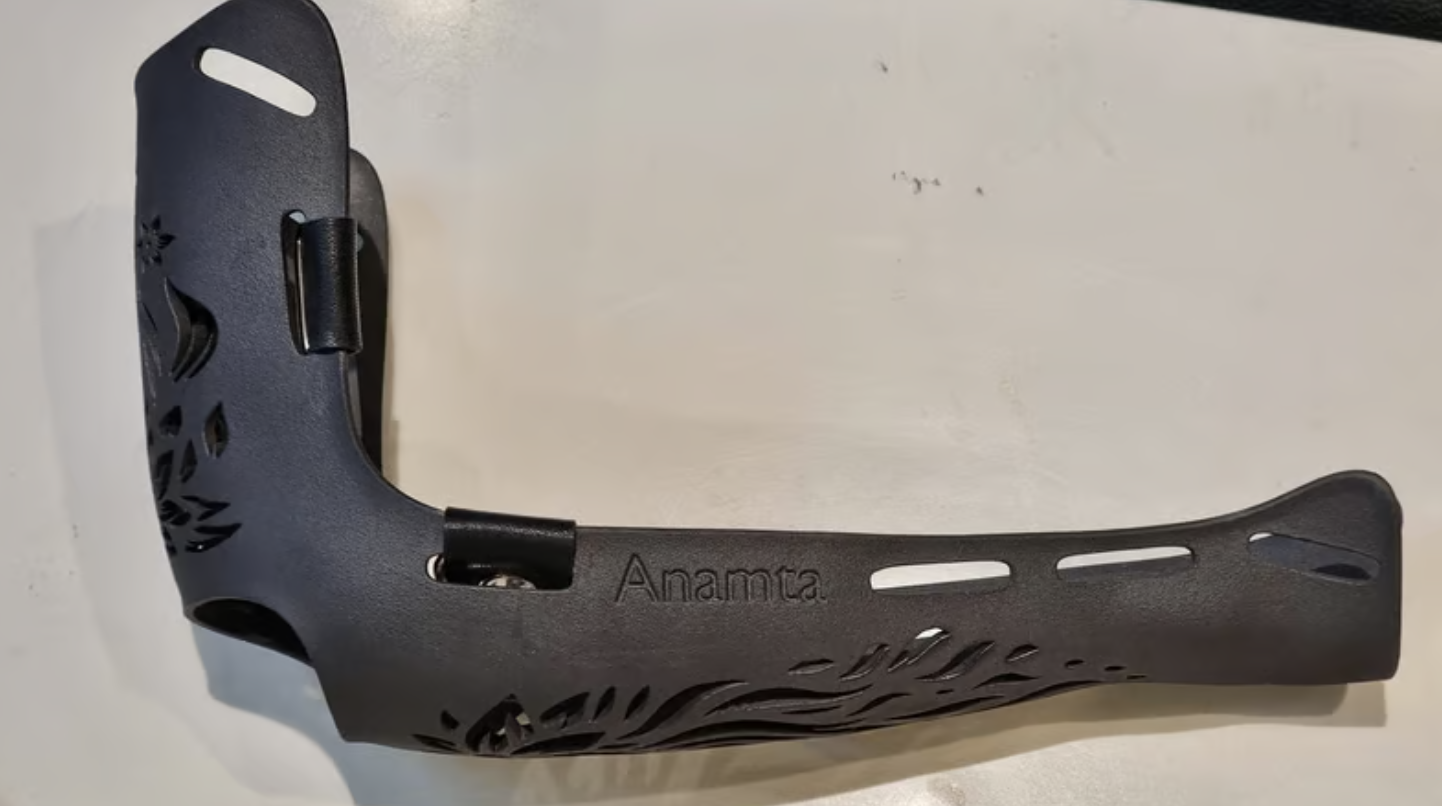
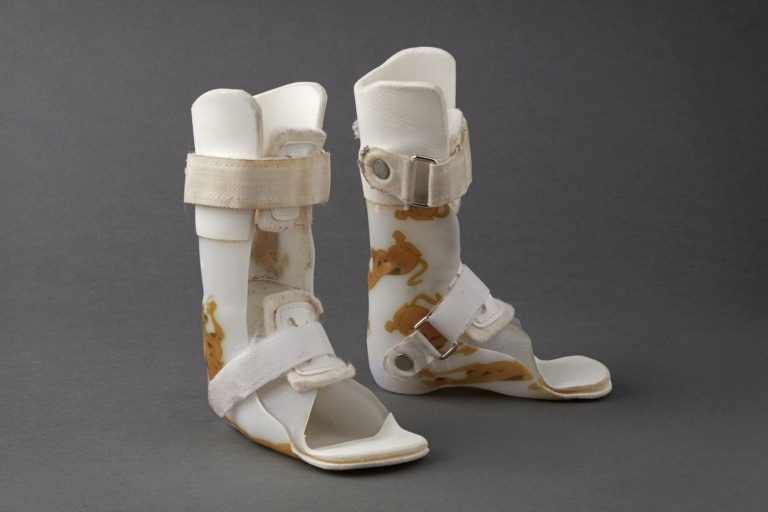
3D-printed ankle–foot orthoses (AFOs) are emerging as an alternative to conventionally fabricated thermoplastic AFOs. This study, conducted by students in the Prosthetics and Orthotics Department at Erbil Polytechnic University as part of a bachelor’s graduation project, examines differences in efficiency, durability, workflow, comfort, and overall satisfaction between the two fabrication methods.
Purpose
The study aims to determine whether 3D-printing offers measurable advantages over traditional thermoplastic methods for AFO production—looking at clinical performance, patient experience, and laboratory/clinic workflow—to inform future orthotic practice and service delivery.
Key comparison areas
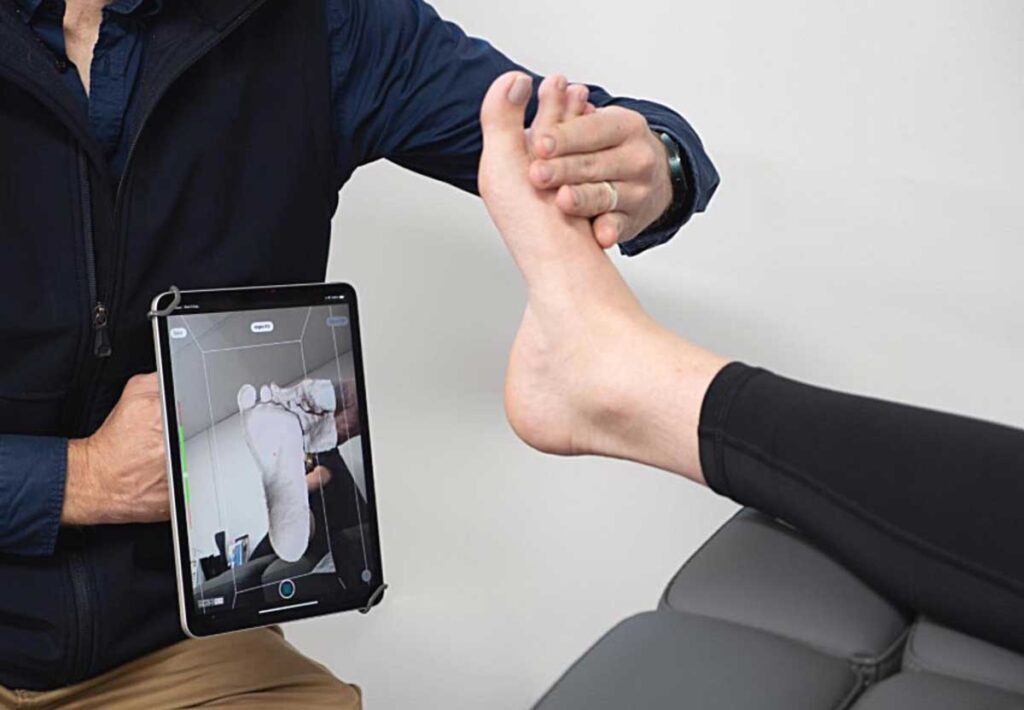
- Efficiency and workflow: Assess total production time from measurement to delivery, the need for remakes or adjustments, and ease of digital design modifications. 3D printing promises streamlined digital workflows, repeatability, and potential time savings in shape capture and iterative redesign.
- Durability and material performance: Compare mechanical strength, wear resistance, and failure modes. Thermoplastics have established track records; 3D-printed polymers vary by material and print parameters, so durability must be evaluated under real-world conditions.
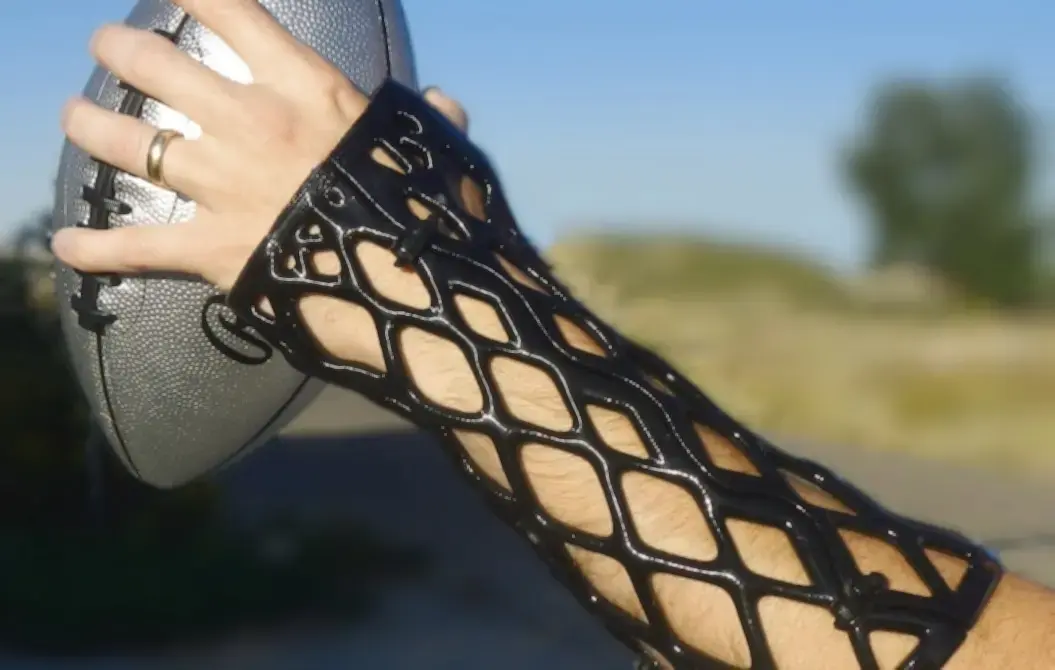
- Comfort and fit: Evaluate user-reported comfort, pressure distribution, and fit conformity. Digital scanning and custom lattice or variable-thickness designs in 3D-printed AFOs may improve fit and ventilation, potentially enhancing comfort.
- Functionality and clinical outcomes: Measure gait parameters, support, range-of-motion control, and user mobility. The rigidity, flexibility, and alignment achievable with each method affect functional outcomes.
- User and technician satisfaction: Gather feedback from both patients and technicians about the fabrication process, aesthetics, ease of use, maintenance, and perceived value.
Participant involvement and confidentiality
We invite technicians and AFO users to share their experiences. Participation is voluntary and anonymous. Responses will be used to compare perceptions and objective measures across fabrication methods and to guide recommendations for clinical practice and education.
Why your input matters
Your responses will help identify practical benefits and limitations of 3D-printed AFOs, inform material and workflow choices, and contribute to improved patient outcomes and service efficiency in orthotics.
Take the survey
Please contribute your experience by completing the survey here: https://docs.google.com/forms/d/e/1FAIpQLSesAQvCJrXi0wOan8ov20Zs2wEGC1bKawkKZ-E8a6YwSLO97g/viewform
Acknowledgements
Thank you for participating in this study. Your input supports our graduation research at Erbil Polytechnic University and may help improve future orthotic services.