 By
By
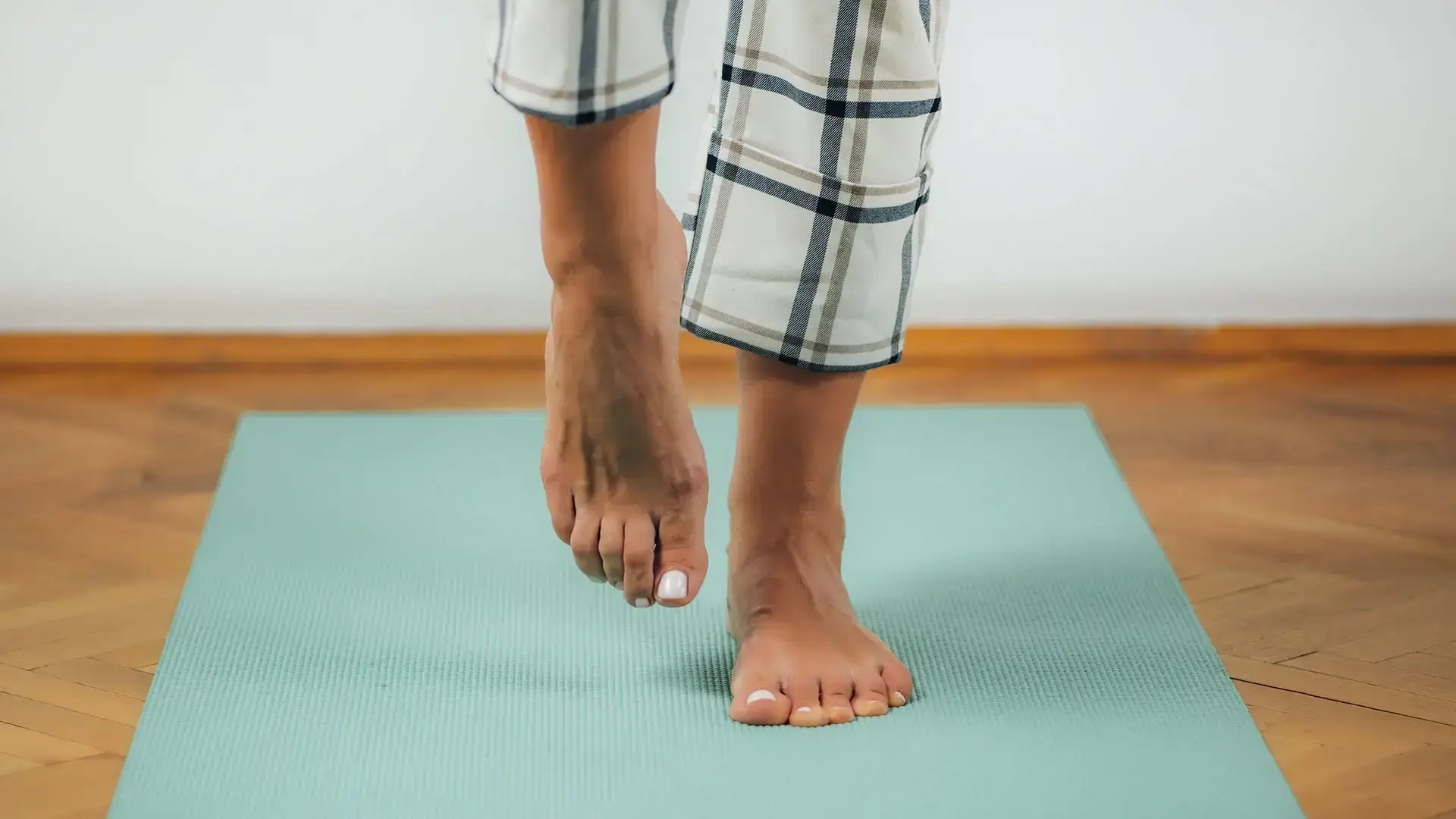
For people living with multiple sclerosis (MS), difficulty walking can extend far beyond the physical symptoms of the disease. A new report highlights how shame, embarrassment and anxiety about gait-related issues — such as stumbling, missteps or visible walking differences — can lead some individuals to withdraw from social situations and avoid public places.
MS often affects mobility through muscle weakness, balance problems and fatigue, but the emotional and social impacts of these challenges are increasingly recognised as major factors in patients’ daily lives. Many people with MS describe feeling self-conscious about how they walk, worrying about how others perceive them, or fearing judgment if they stumble or need assistance. These feelings can influence whether and how often they go out, potentially contributing to social isolation and reduced quality of life.
Researchers point out that walking difficulties are not purely physical; emotions such as embarrassment, frustration and anxiety are intertwined with the lived experience of mobility challenges in MS. For example, some individuals may choose to stay home rather than risk what they perceive as a negative reaction from others, even when physical barriers are not present.
This emotional burden affects personal relationships and community participation as well. Friends or family members may mean well, but their responses can unintentionally reinforce feelings of discouragement or self-doubt. The overall result can be a sense of disconnection from daily life and social networks for many with MS.
Experts emphasise that support for people with MS should not only address physical mobility challenges but also the emotional and social dimensions of walking difficulties — helping patients maintain confidence, connection and engagement with their communities.