 By
By
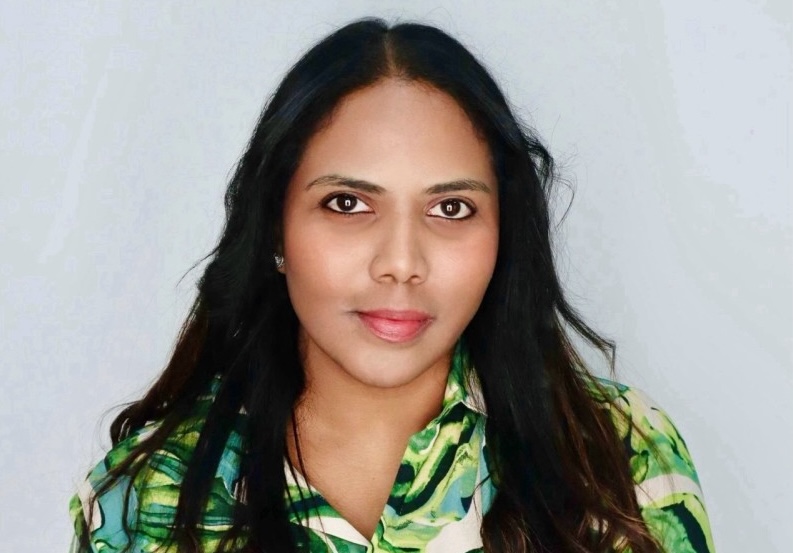
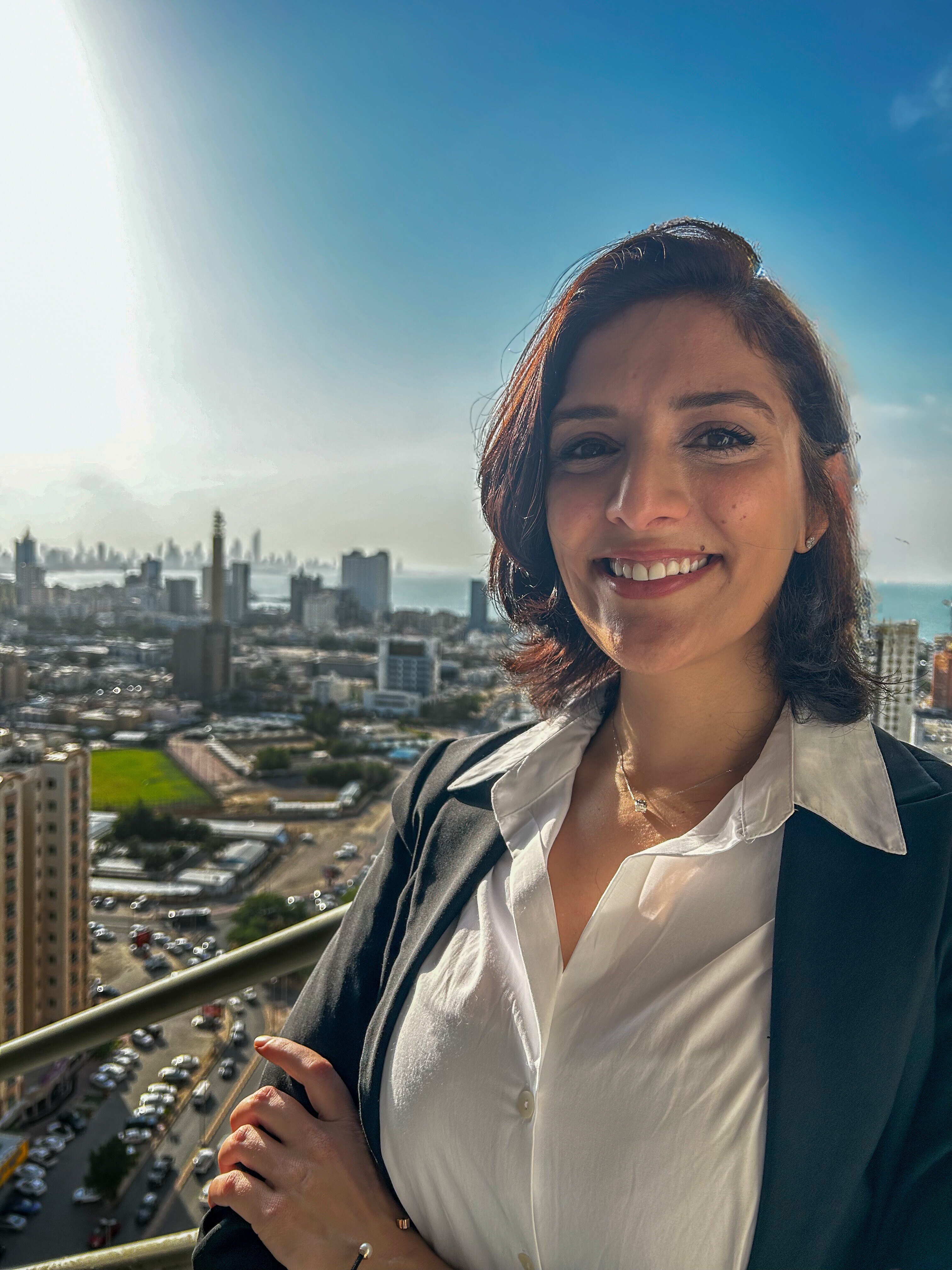
My name is Steffi Frank. I am originally from India, and I was born and brought up in Kuwait. I am currently based in the United States. I completed my Bachelor of Prosthetics and Orthotics from Mobility India Rehabilitation Research & Training Centre, affiliated with Rajiv Gandhi University of Health Sciences, and I graduated in 2022 with distinction. I hold an ISPO CAT 1 certification and maintain registration under the Rehabilitation Council of India.
I worked in Kuwait as a Clinical Prosthetist and Orthotist. Over time, I developed a strong interest in how clinical services are structured and supported at a systems level, and that interest led me to transition into the management side of healthcare and pursue a Master of Healthcare Administration degree from Texas State University so that I could support clinicians and programs more broadly. I am currently working within Graduate Medical Education in the United States, where I assist clinical teams and departments with coordination, compliance, and operational support.
What do you claim is your speciality - your O&P passion?
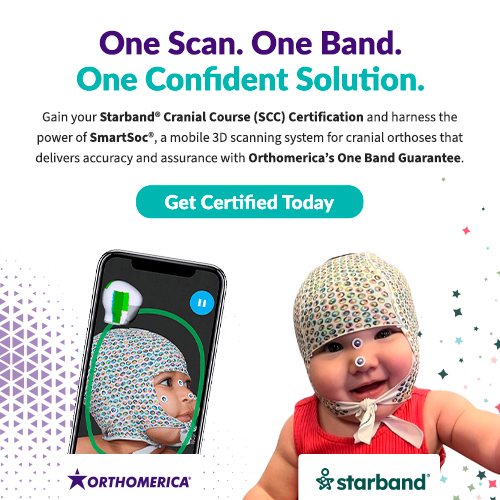
My passion lies in cranial remoulding orthosis and the use of advanced 3D scanning techniques in designing prosthetic and orthotic devices. I completed the STARband Cranial Course offered by Orthomerica, which deepened my understanding of how important early cranial intervention can be in an infant’s development. It helped me appreciate both the technical precision required and the responsibility we carry when working with young families. I am especially passionate about integrating 3D scanning into clinical practice because it allows for greater accuracy, better fit, and improved patient comfort. I believe that combining advanced technology with careful clinical assessment leads to more personalized and effective outcomes.
What do you like most about practicing O&P?
The most rewarding part is the meaningful impact we can have on a person’s independence and confidence, and it gives me a deep sense of purpose because of the difference it makes in someone’s daily life. Seeing a patient regain stability, improve their gait, or feel more confident moving independently is incredibly meaningful. Those moments remind me that our work goes far beyond fabricating a device. I enjoy the combination of clinical knowledge, biomechanics, and hands-on craftsmanship that this field requires. Most importantly, I value the trust that patients and families place in us. Being part of their rehabilitation journey is a responsibility I take seriously, and it continues to motivate me in my work.
What frustrates you about O&P?
It can be challenging sometimes when the complexity of our work is underestimated. Many people see the final device, but they do not always recognize the clinical reasoning, detailed assessments, alignment adjustments, and follow-up care that go into achieving a good outcome. At the same time, these challenges encourage me to communicate more clearly, advocate for our profession, and continually improve the quality of care I provide.
What is your greatest patient story in O&P?
One of my most meaningful patient experiences was working with a patient who required a Knee-Ankle-Foot Orthosis (KAFO). The patient had significant lower-limb weakness and had difficulty standing independently. After a thorough assessment and careful alignment, we went through several fitting and adjustment sessions to ensure proper stability and comfort.
The moment the patient was able to stand more confidently and take supported steps was incredibly rewarding. It was not just about fitting a device, but about helping restore independence and confidence. Experiences like this remind me why patience, precision, and follow-up care are so important.
How do you build rapport with patients in your care?
Trust begins with simple conversations. I take time to understand who my patients are beyond their diagnosis. Learning about their daily activities, their goals, and even their worries helps me connect with them on a personal level. I always explain the process in clear and simple language so they feel comfortable and informed. Small gestures, like checking in during follow-up visits and listening carefully to their feedback, go a long way. In the end, patience and empathy make the biggest difference. When patients feel respected and genuinely cared for, a strong connection develops naturally.