 By
By
Behind every person with a disability, there is a person with hopes, dreams and a story to tell. This is the message in light of International Day of Persons with Disabilities, observed annually on 3 December under the theme "Fostering disability inclusive societies for advancing social progress."
While some people are born with varying degrees of intellectual, physical or psychosocial disabilities, for thousands more, disability is acquired somewhere along their lifetimes. Some of the leading causes of acquired disability include trauma from interpersonal violence and motor vehicle accidents resulting in spinal injuries and amputations, organ damage due to complications of underlying chronic diseases like hypertension, diabetes, dyslipidemia (high cholesterol) and infections like tuberculosis and HIV.
When a motorcycle accident left him paralysed in 2016, his world changed in an instant. A former patient of the Western Cape Rehabilitation Centre (WCRC), Tauriq Mustafah, says while his disability is now a permanent part of who he is, he does not let that define him.
“Before the accident, I was very active. Surfing and motorcross racing were my thing, and then my accident happened. I thought my life would be completely cut off, but because of the Western Cape Rehabilitation Centre, my life changed completely,” he says.
“When you are in this position, people think physical work is the only thing that will get you somewhere in life. But at the end of the day, your brain is the strongest tool. If you can use your brain, you can do anything.” Today, he is an entrepreneur and self-employed in the electronics space.
Admitted attorney and law firm director Erin Goliath was born with bilateral club feet, her legs resting on her shoulders and her feet facing backwards. Doctors were sceptical that she would ever walk. While doctors expected her to walk at the age of 7, after her nine-month-old brother started walking, he had inspired her to do the same, and at two and a half years old, she took her first steps.
“I had 18 or 19 reconstructive surgeries. My brother is 30 years old now, and whether he knew it or not, he was my inspiration. When my brother was 18, he was diagnosed with Schizophrenia. Having a brother with a mental disability, as someone who has a physical disability, fully exposed me to the magnitude of what it means to live differently,” she says.
But leading up to this diagnosis, she says that being treated like every other child, going to a mainstream school and pursuing her dreams has allowed her to live to her full potential beyond the label of disability. Some of the biggest misconceptions around persons living with disability are that they cannot live fulfilling lives, cannot sustain employment and that they always need help.
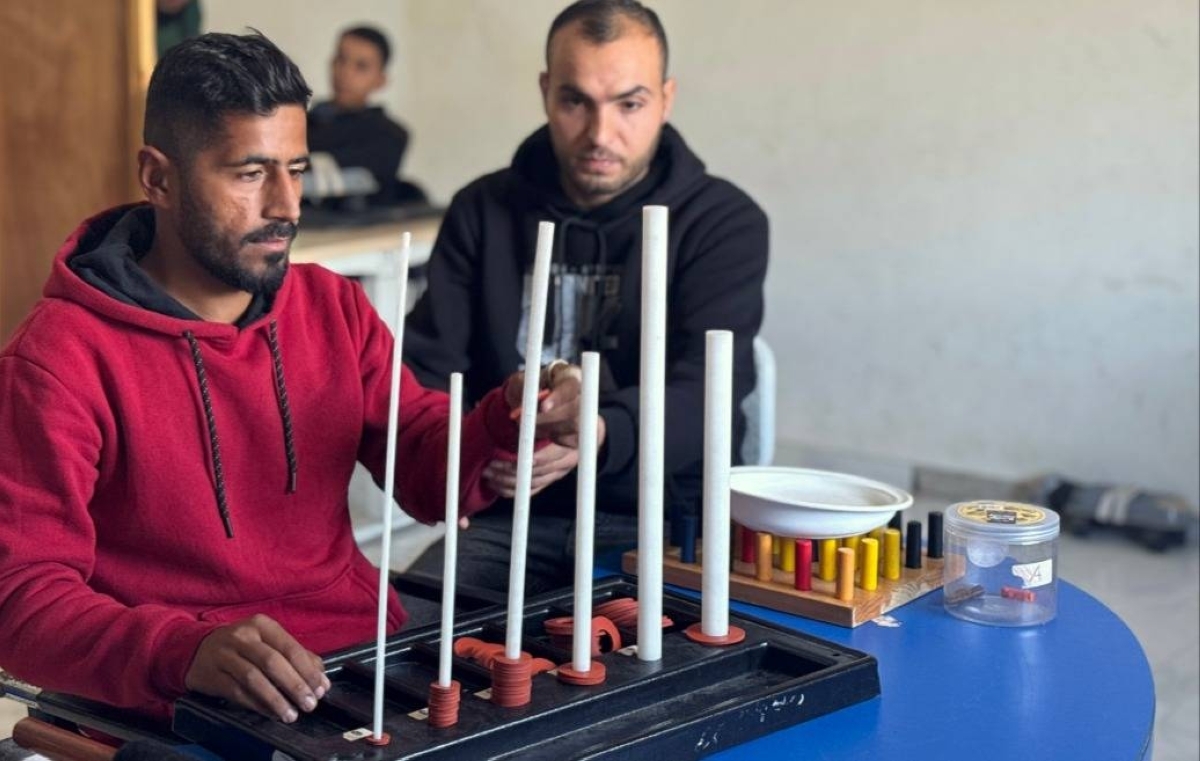
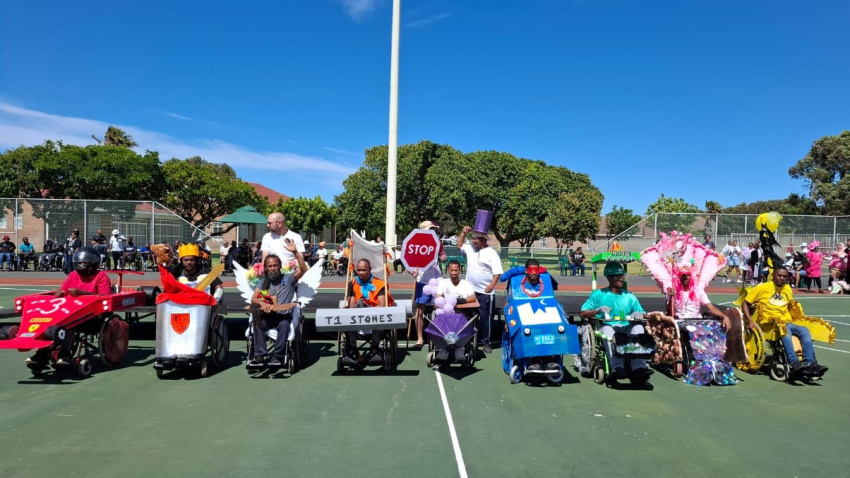
The Western Cape Department of Health and Wellness offers comprehensive care for people living with disabilities beyond its facilities. With the introduction of wheelchair repair workshop outreach initiatives in accessible community locations for patients, such as community halls and libraries, allied health workers, including occupational therapists, physiotherapists and rehabilitation care workers, are assisting and upskilling wheelchair-based patients on how to service and maintain their own aids, while repairing as the need arises.
Occupational therapists were trained in wheelchair repairs through a partnership with the Western Cape Rehabilitation Centre (WCRC) and a donor, The Church of Jesus Christ of the Latter-day Saints. This training aimed to equip allied health professionals working in the Primary Health Care space to be able to do the required repairs at facilities.
Fatima Peters, Chief Executive Officer of the WCRC and associated facilities Brackengate Transition Care Centre and Orthotics and Prosthetics Centre, Pinelands, says as the only specialised rehabilitation centre, the only advanced transitional care and orthotics and prosthetics centre in the Western Cape, the staff at these three facilities carry a responsibility that is also a privilege. “It is the privilege of seeing human resilience in action, and of supporting people as they rebuild their lives after losses that affect their independence, their work, and their roles in family and community,” she says.
Peters, who is also living with a disability as someone who is deaf with a cochlear implant, says the day is about breaking barriers and living beyond labels.
“I believe that to advance social progress, we must, from the onset, recognise the person and not the impairment. Our impairments are part of who we are, but they do not define us,” she says.
“It is important to see the reality behind statistics and theoretical awareness campaigns. To see the frustration, the grief, the slow progress, but also the relief after unexpected breakthroughs. It is important to see the impact on families and friends, some able to rally strongly, others struggling to cope or unsure how to welcome someone home when life now looks so different, knowing that this will be lifelong.”
Access to care
The Western Cape Rehabilitation Centre (WCRC) provides a comprehensive, multidisciplinary rehabilitation package for people with complex disabling conditions. Core rehabilitation services include medical and nursing care, physiotherapy, occupational therapy, social work, dietetics and speech therapy, supported by specialised resources such as a wheelchair repair workshop, on-site pharmacy, radiography and psychology services.
All referrals to the Western Cape Rehabilitation Centre (WCRC) are referred from tertiary, regional, and district hospitals, as well as specialised units such as trauma, neurology, orthopaedics, paediatrics, and spinal services, once they are medically stable and ready to begin intensive rehabilitation. Brakengate Transitional Care Centre provides short-term, multidisciplinary support to patients who are medically stable but still require ongoing care after an acute illness, surgery, or complication of a chronic condition. The package of care includes medical and nursing management, rehabilitation (physiotherapy, occupational therapy, speech therapy, dietetics), psychosocial support, family education, and palliative care where needed.
The referral pathway for transitional care allows patients to be referred from acute hospitals when they require additional support to continue recovering safely, prevent premature hospital admission, or enable a smoother transition back into the community. Once admitted, patients receive time-limited, multidisciplinary care tailored to their functional needs, and on discharge, they must be linked back to primary health care services, which may include home-based transitional care.
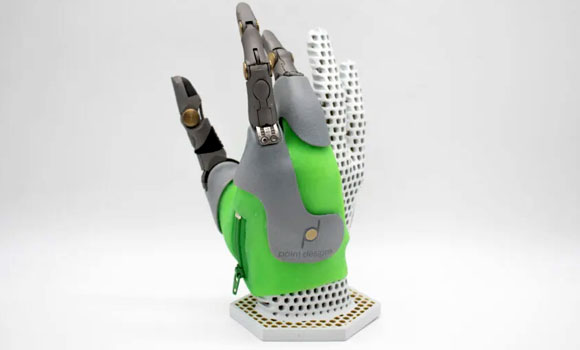
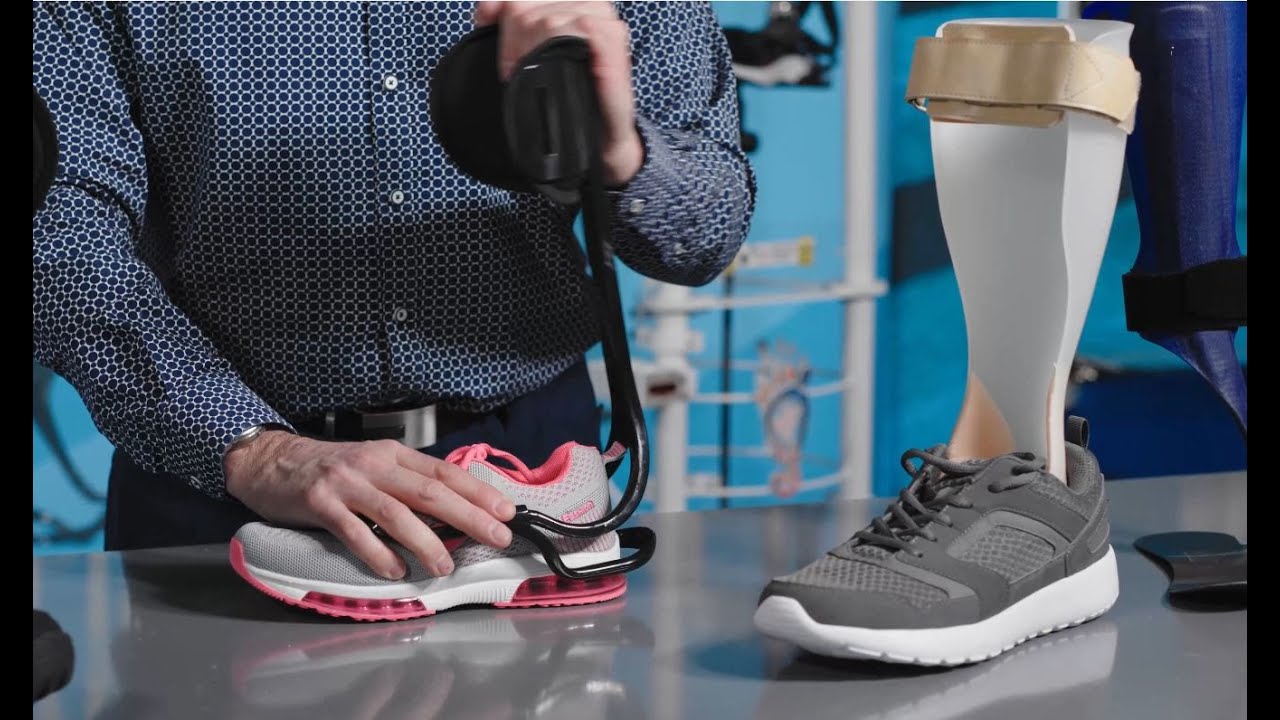
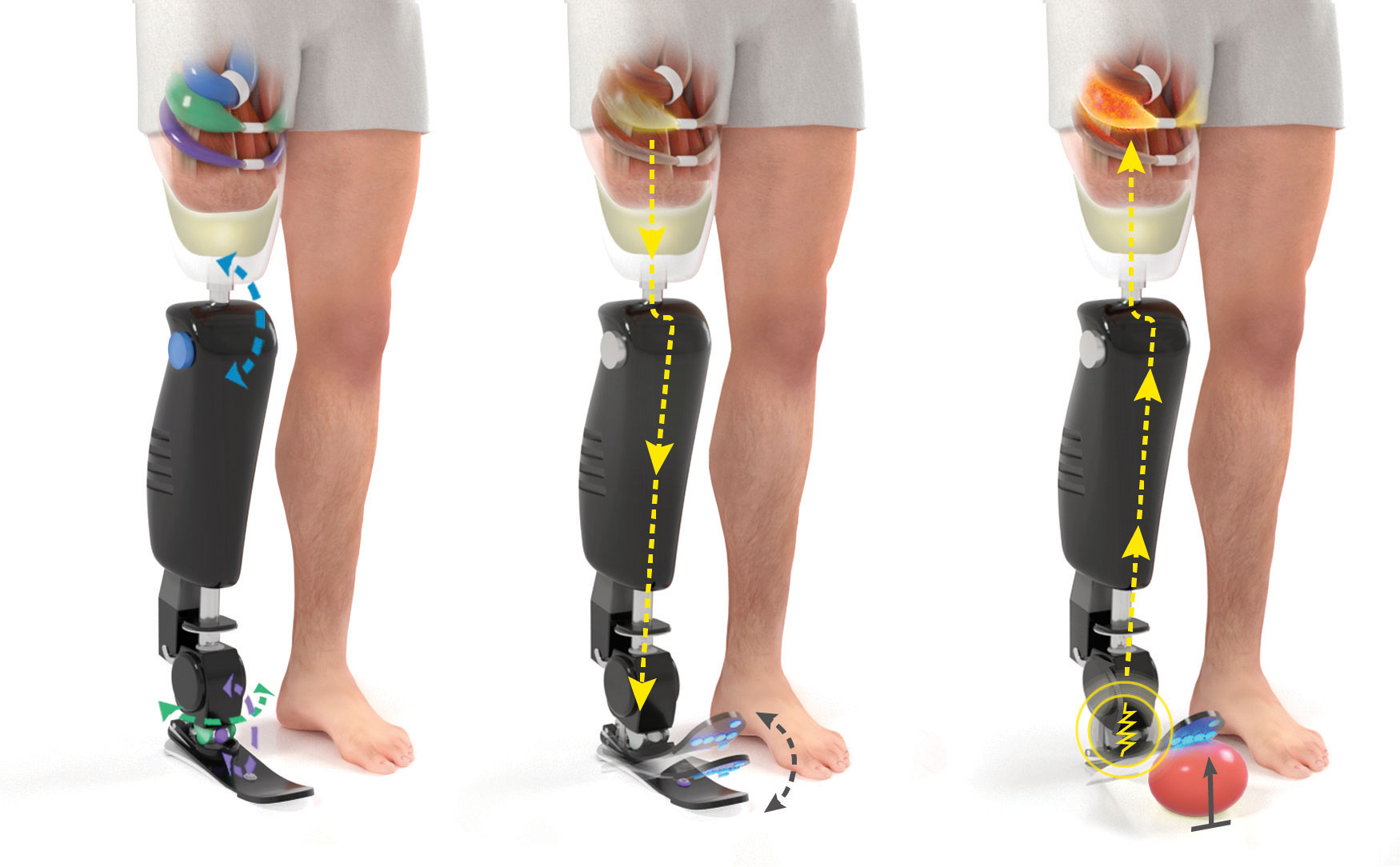
The Pinelands Orthotics and Prosthetics Centre provides a comprehensive, patient-centred service that supports individuals with limb loss, physical impairments, spinal conditions and mobility challenges through specialised assessment, prescription, fabrication and fitting of prosthetic limbs, orthotic devices, mobility aids and custom footwear. Patients are referred to the Pinelands Orthotics and Prosthetics Centre by clinicians who identify the need for an assistive device. This can be from hospitals, Primary Health Care Facilities or outreach initiatives.