 By
By
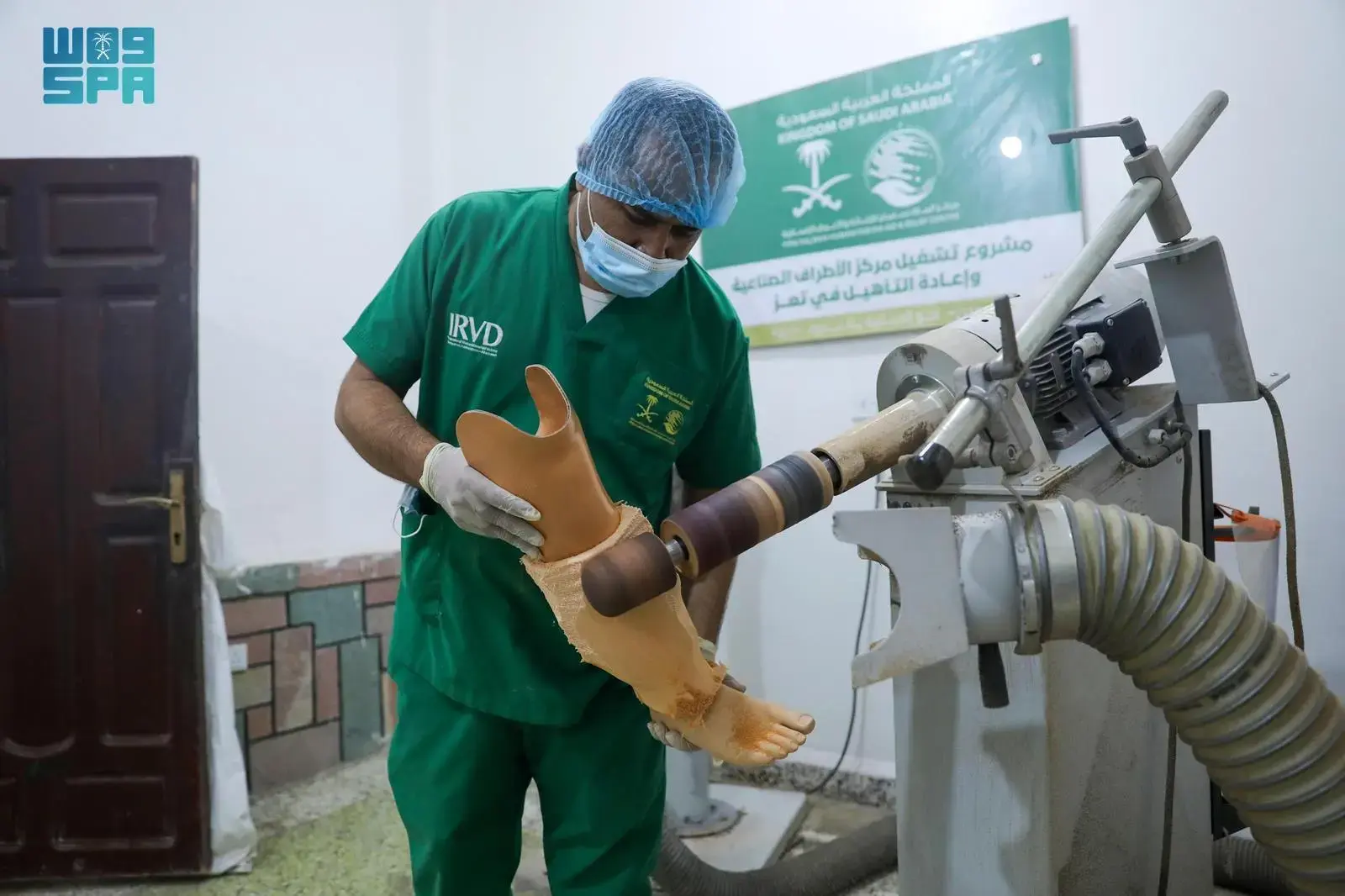
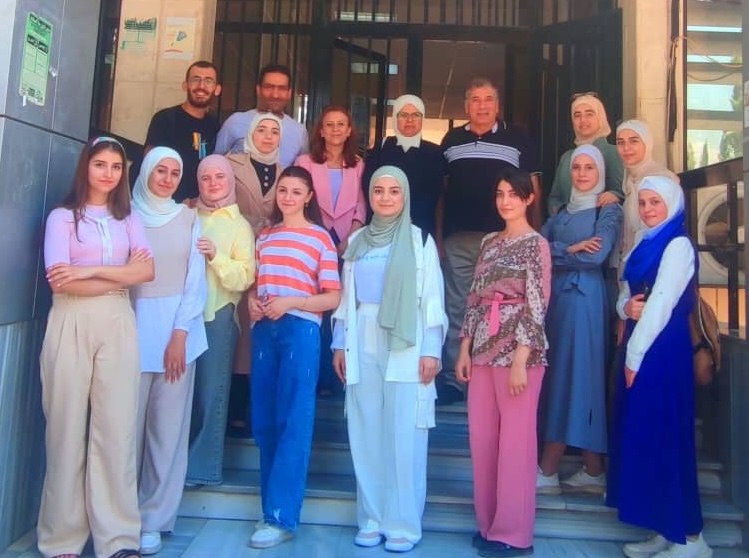
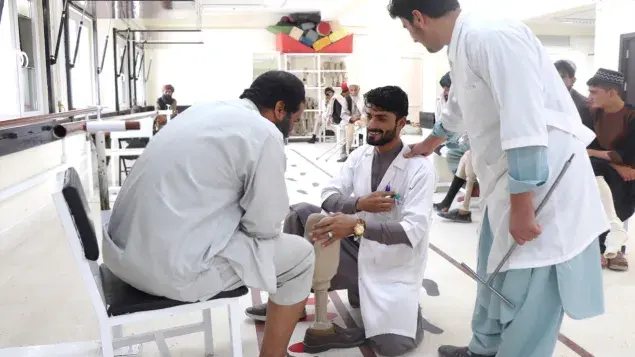
The Prosthetics and Rehabilitation Center in Taiz, supported by the King Salman Humanitarian Aid and Relief Centre, provided services to 870 beneficiaries during April 2026, according to a report published by the Saudi Press Agency.
The centre’s work included prosthetic and rehabilitation services for people with limb loss and mobility needs in Yemen. These services are especially important in a country where conflict-related injuries, landmine incidents and limited access to specialist rehabilitation continue to create long-term disability needs.
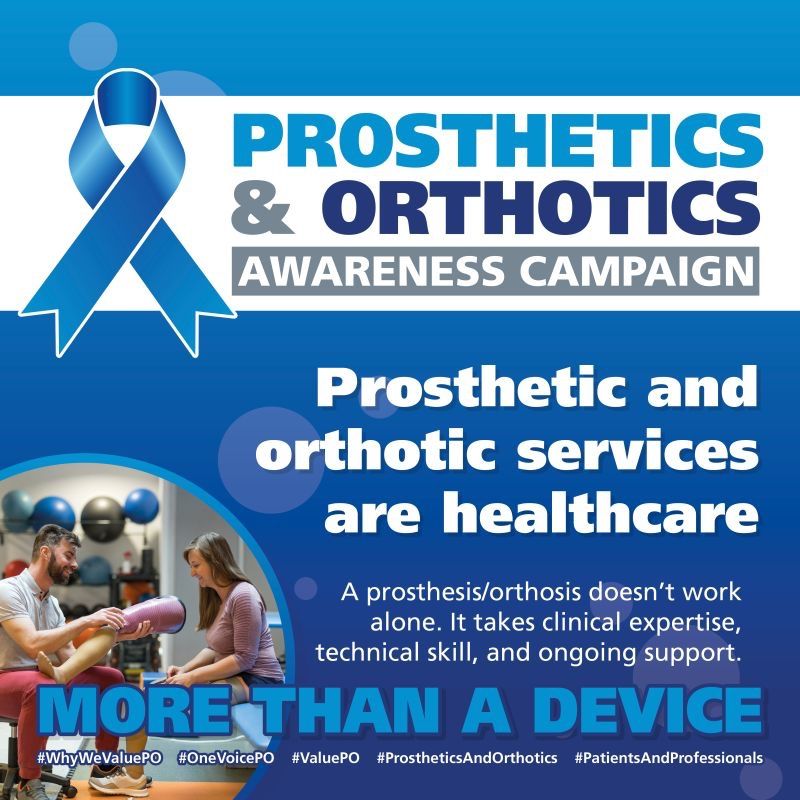
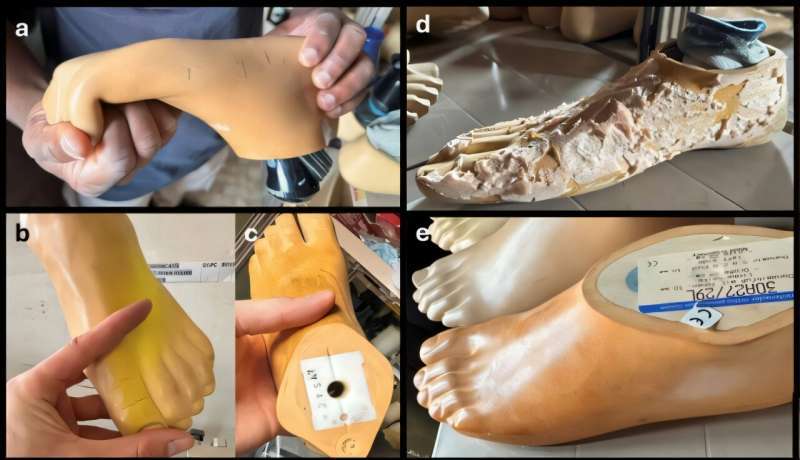
For the orthotics and prosthetics sector, the Taiz centre highlights the importance of combining device provision with rehabilitation, follow-up and technical maintenance. Prosthetic care is not a one-off intervention; patients often require assessment, socket adjustment, component servicing, gait training and long-term clinical support to achieve functional mobility.
The wider KSrelief Artificial Limbs Program supports prosthetic and rehabilitation services for amputees, with a focus on restoring mobility, improving quality of life and strengthening access to care in affected communities.
The April figures from Taiz underline the scale of demand for prosthetic and rehabilitation services in Yemen. They also show the role that dedicated limb centres can play in restoring mobility, supporting independence and reducing the long-term impact of conflict-related disability.
For clinicians, technicians and rehabilitation planners across the IMEA region, the Taiz project is another reminder that sustainable prosthetic care requires more than devices alone. Local technical capacity, regular maintenance, physiotherapy and patient-centred follow-up are all essential parts of an effective rehabilitation pathway.
- Saudi Press Agency article on the Taiz centre
- KSrelief official website
- KSrelief Artificial Limbs Program
- World Health Organization rehabilitation topic page