 By
By
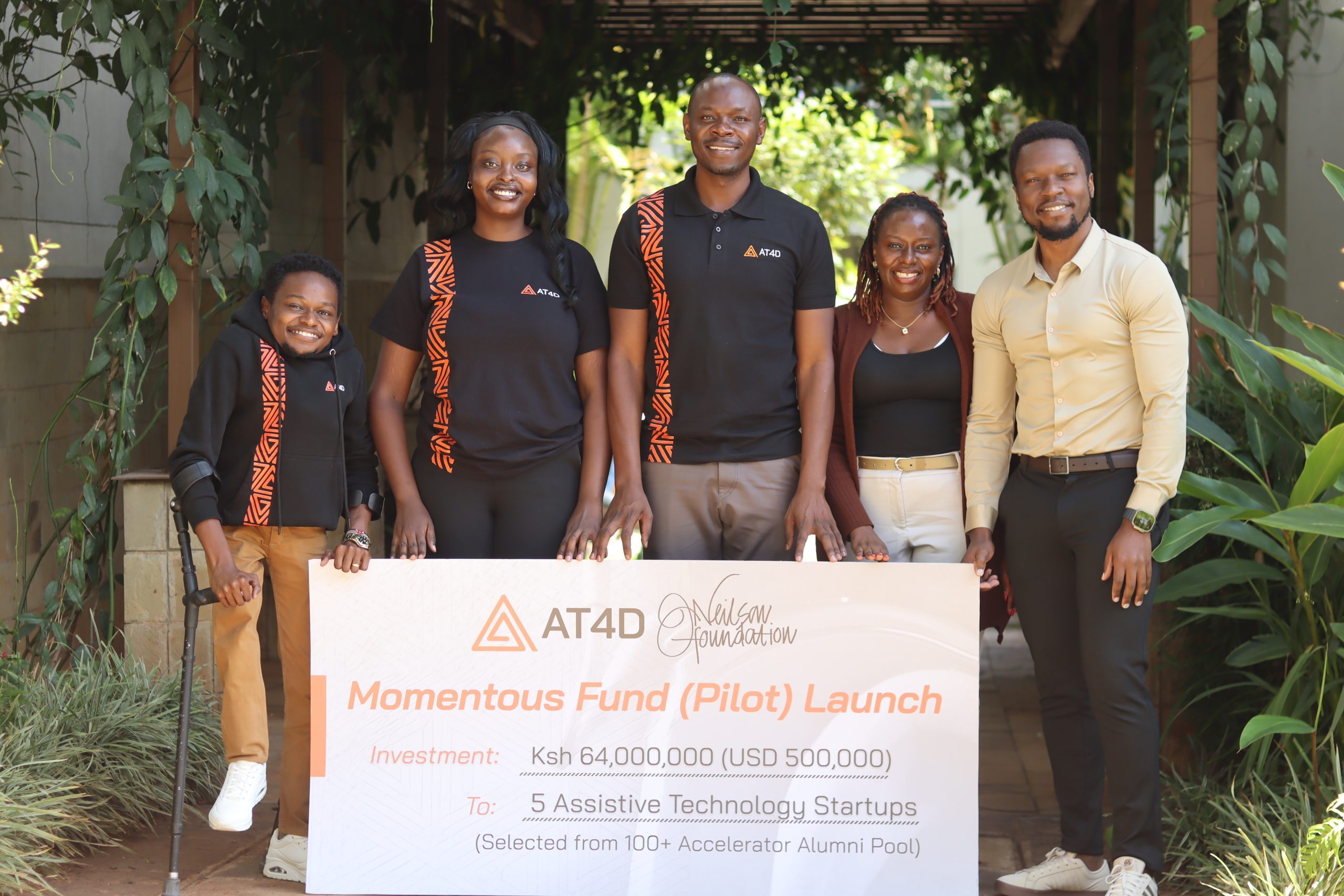
A new funding initiative aimed at accelerating the development of assistive technology across Africa has been launched, targeting early-stage startups working on solutions for people with disabilities. The programme, introduced by the Assistive Technologies for Disability Trust (AT4D) in partnership with the Judith Neilson Foundation, will provide financial and technical support to innovators building accessible technologies across the continent.
The initiative, known as the Momentous Pilot Fund, has an initial value of about $500,000 and will focus on supporting young companies developing tools that improve mobility, communication, inclusive education, independent living, and digital accessibility. The fund will back a small number of early-stage ventures, providing not only capital but also mentorship, venture-building support, and access to strategic partners to help them scale their products.
The launch comes at a time when access to assistive technology remains extremely limited in many African countries. Estimates suggest that nearly 200 million people in Africa need at least one assistive product, yet only a small fraction are able to obtain the devices they require. This gap highlights the importance of local innovation that can produce affordable and context-appropriate solutions rather than relying entirely on imported technologies.
AT4D, a Nairobi-based nonprofit focused on building the disability innovation ecosystem in Africa, said the fund is designed to address one of the biggest barriers facing assistive technology startups: access to early-stage funding. According to the organisation, many investors still see disability technology as a charitable sector rather than a viable market, which makes it difficult for innovators to secure capital even when their products have strong commercial potential.
In addition to supporting individual startups, the pilot fund will also test a new investment model focused on inclusive innovation. The goal is to generate data and experience that can be used to build a larger, long-term funding mechanism dedicated to assistive technology across Africa. If successful, future phases of the programme could expand the pool of capital available for disability-focused innovation and help strengthen the broader ecosystem of manufacturers, designers, clinicians, and service providers.
The organisers say the initiative reflects a growing recognition that assistive technology is not only a healthcare issue but also a major opportunity for economic and social development. As demand for prosthetics, orthotics, mobility devices, communication tools, and digital accessibility solutions continues to rise, investment in locally developed technologies could play a key role in improving independence, education, and employment opportunities for millions of people across the continent.