 By
By
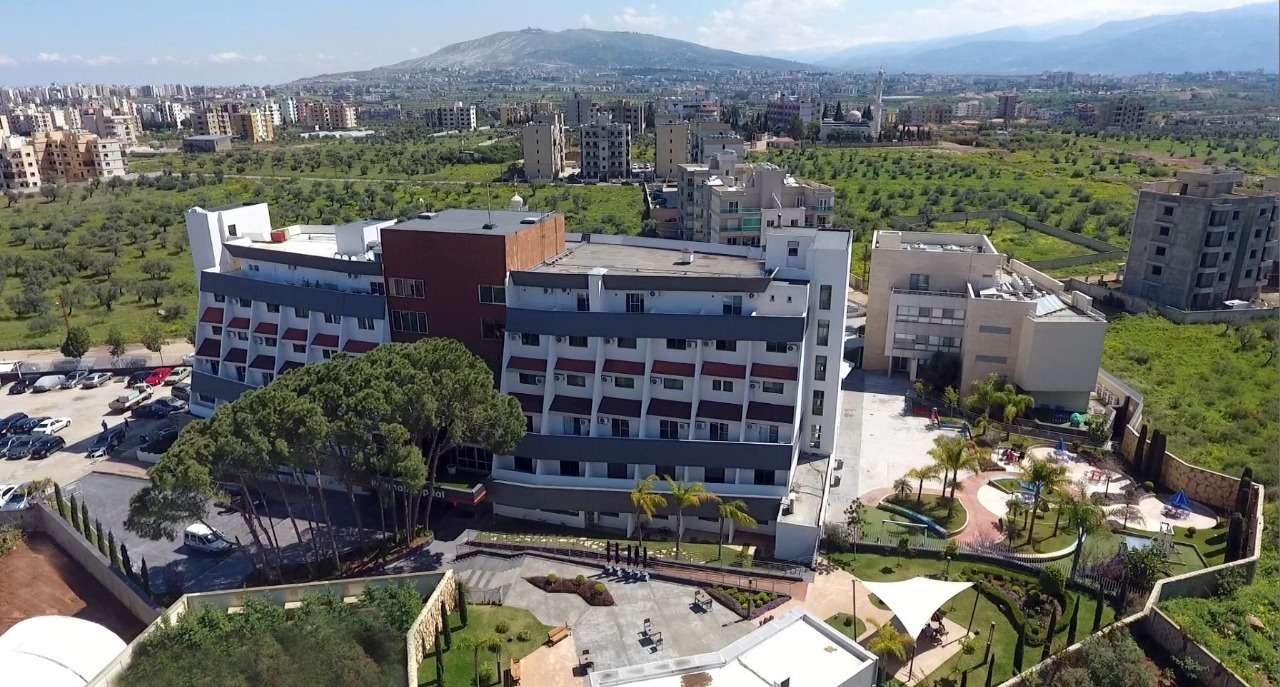
A tender published through Daleel Madani has highlighted the continuing demand for rehabilitation aids, assistive devices and home care supplies in northern Lebanon, particularly in Akkar and Tripoli. The call, issued by Rahma Medical Center / Association Des Jeunes Islamiques (ADJI), sought qualified and legally registered suppliers able to provide mobility and rehabilitation products for a community-based rehabilitation programme serving vulnerable communities.
The tender was linked to a 12-month community-based rehabilitation project designed to support resilient, equitable and inclusive communities in Akkar and Tripoli. According to the call, services were planned for areas including Mhammara, Ouadi Khaled, Bebnine, Halba, Mazareaa Jabal Akroum, Berqayel and Machta Hamoud in Akkar, as well as several neighbourhoods in Tripoli including El-Qobbe, El-Tell, El-Haddadine, El-Hadid, El-Mharta, Tabbaneh, Ez-Zeitoun and Mina N3.
The project model is significant because it combines centre-based rehabilitation, mobile services and local clinical partnerships. In Tripoli, ADJI planned to deliver services through its rehabilitation centre and mobile team, while in Akkar the programme involved local rehabilitation centres and clinics working with contracted therapists. The stated aim was to transfer knowledge to local actors, strengthen sustainability and reduce the transport burden for people who need rehabilitation support.
The requested supplies included a practical range of mobility, paediatric, home care and positioning products. Items listed in the tender included adult wheelchairs, paediatric wheelchairs, commode chairs, foldable walkers, walkers with wheels, child and adult rollators, quadripod crutches, elbow or underarm crutches, raised toilet seats, air mattresses, water mattresses, Kaye walkers and child walkers. Suppliers were also asked to provide product details, features, limitations and a one-year warranty against manufacturing defects.
For orthotic, prosthetic and rehabilitation professionals across the IMEA region, the tender is a useful reminder that access to assistive products is not only a procurement issue. It is also a service-delivery issue. Devices such as wheelchairs, walkers, crutches and seating or pressure-relief products must be matched to clinical need, user environment, caregiver capacity and follow-up availability. Without proper assessment, fitting, user training and maintenance, even basic assistive products can fail to deliver their intended impact.
The wider global context makes this particularly important. The World Health Organization notes that more than 2.5 billion people globally need one or more assistive products, and that this figure is expected to rise to 3.5 billion by 2050. WHO also emphasises that assistive products support functioning, independence, well-being, inclusion and participation.
Lebanon’s rehabilitation and disability-support sector continues to operate under complex humanitarian, economic and service-access pressures. International organisations working in Lebanon have also highlighted the importance of rehabilitation care, assistive devices, prostheses, orthoses and psychosocial support for people with disabilities, refugees and host communities.
Although the specific tender listed by Daleel Madani is marked as expired, it reflects a recurring need across Lebanon and the wider region: reliable local supply chains, transparent procurement, appropriate product quality, and stronger links between rehabilitation providers and assistive technology suppliers. For community-based rehabilitation programmes, the ability to source basic but clinically appropriate products can directly affect mobility, dignity, family participation and access to education, work and community life.
For the O&P and rehabilitation community, this type of procurement also points to a broader opportunity. Suppliers, clinics, NGOs and rehabilitation centres should work together not only to deliver products, but to build complete assistive technology pathways: assessment, prescription, supply, fitting, training, maintenance, repair and outcome monitoring. That is where assistive devices become more than equipment — they become part of a functioning rehabilitation system.
- Daleel Madani tender page for Rehabilitation Aids and Assistive Devices / Home Care Supplies
- Rahma Medical Center / ADJI organisation listing on Daleel Madani
- WHO assistive technology fact sheet
- WHO assistive technology overview
- Humanity & Inclusion Lebanon country page
- World Rehabilitation Fund Lebanon programme overvie