 By
By
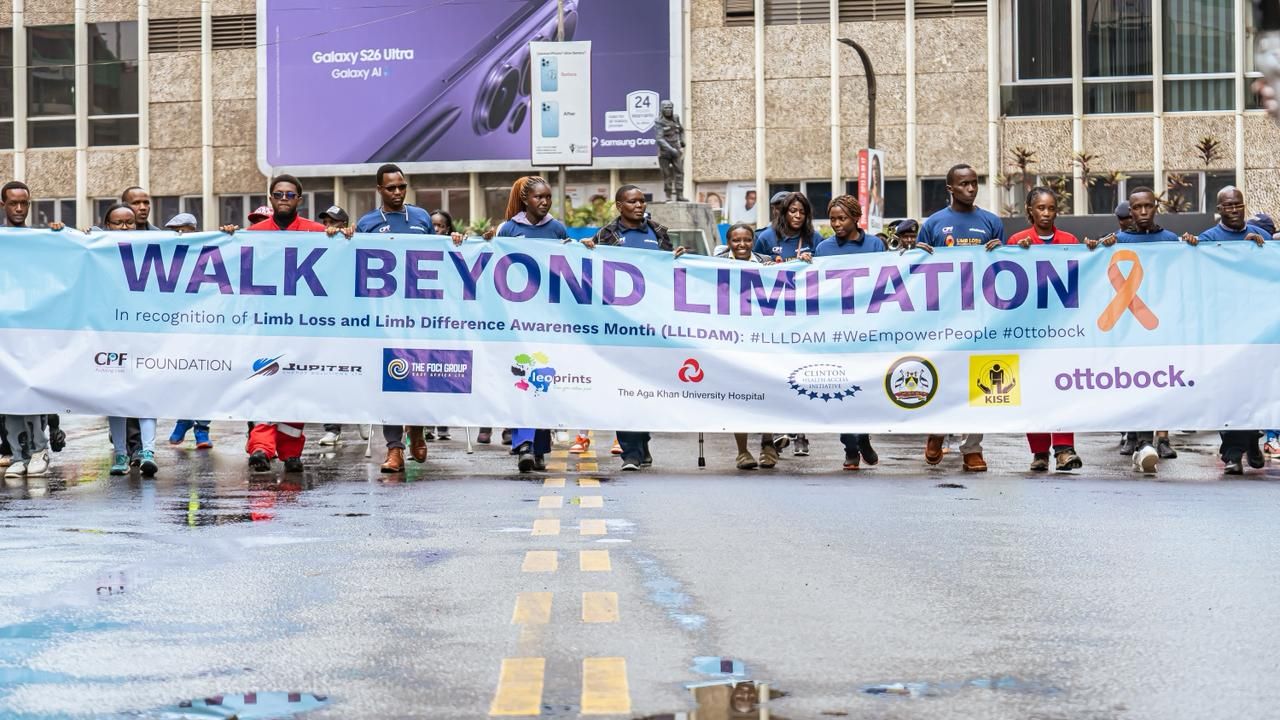
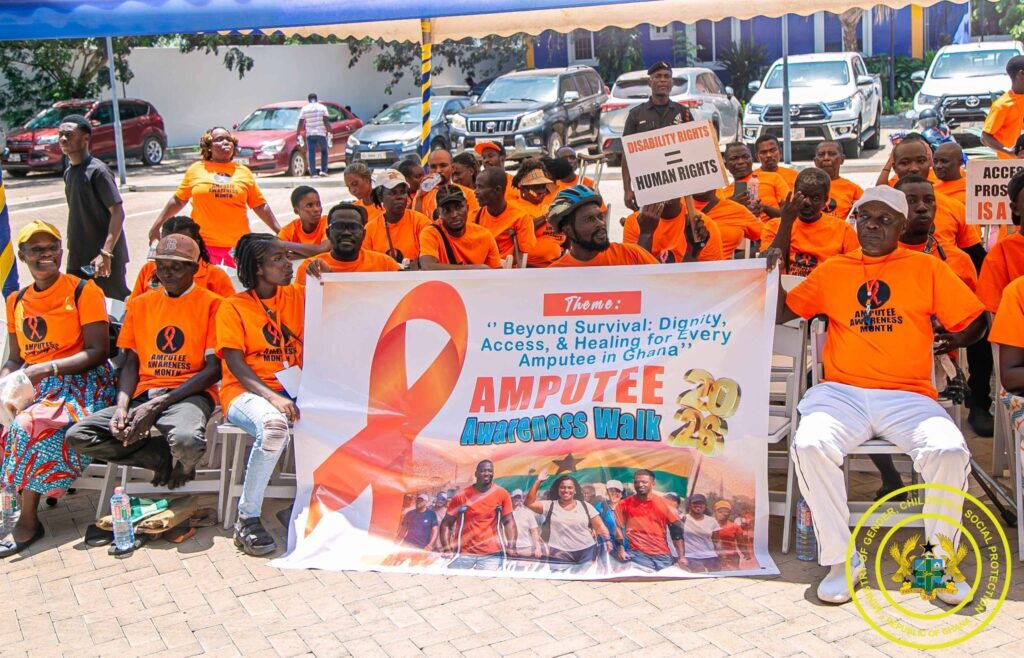
On April 11 in Nairobi, Ottobock Kenya brought together people living with limb loss and limb difference, healthcare professionals, partners and community supporters for the “Walking Beyond Limitations” awareness walk, held as part of Limb Loss and Limb Difference Awareness Month.
The event, shared by Kingsley Diores, Area Manager for East, West and Central Africa at Ottobock and Managing Director of Ottobock Kenya, was designed to raise awareness, promote inclusion and bring greater visibility to the lived experiences of amputees and people with limb difference across the region.
For Kenya’s prosthetics, orthotics and rehabilitation community, the walk was more than a public event. It was a reminder that mobility, participation and inclusion depend not only on prosthetic technology, but also on awareness, social support, access to care and long-term rehabilitation pathways.
A Community Walk with a Strong Message
The Walking Beyond Limitations event brought together participants from different backgrounds with one shared purpose: to make limb loss and limb difference more visible in public life.
According to Diores, the awareness walk included:
- Persons living with limb loss
- Persons living with limb difference
- Healthcare professionals
- Partners and supporters
- Community members
- Media representatives
The strong energy, personal stories and media presence helped make the event an impactful moment for public awareness. In regions where disability and limb loss can still be under-discussed, visibility matters. Public events like this can challenge stigma, create conversation and show that people with limb loss are not defined by disability, but by participation, resilience and potential.
Why Limb Loss Awareness Matters in Kenya
Limb loss awareness is especially important in Kenya and across Africa because many people continue to face barriers to prosthetic care, rehabilitation and long-term support. These barriers may include cost, distance from specialist services, limited public funding, shortages of trained professionals and limited awareness of available treatment options.
For an amputee, recovery does not end after surgery. A complete pathway may require:
- Residual limb care
- Prosthetic assessment
- Socket fitting
- Component selection
- Physiotherapy
- Gait training
- Psychological support
- Device maintenance and repair
- Replacement sockets and components over time
- Family and community reintegration
Without these services, a person may survive limb loss but remain excluded from work, education, family activity and community life.
Inclusion Must Go Beyond the Clinic
One of the most important messages from the Nairobi event is that inclusion happens in public spaces, workplaces, schools, transport systems and communities — not only inside hospitals or prosthetic workshops.
Awareness walks help make this visible. They show that prosthetic users and people with limb difference have a right to be seen, heard and included. They also encourage healthcare providers, employers, policy-makers and communities to think differently about disability.
Inclusion requires:
- Accessible rehabilitation services
- Affordable prosthetic and orthotic care
- Public awareness and anti-stigma campaigns
- Inclusive education and employment opportunities
- Accessible transport and public infrastructure
- Sports, recreation and community participation
- Support from families, clinicians, employers and peers
A prosthetic limb can help restore mobility, but inclusion requires society to remove barriers as well.
The Role of Healthcare Professionals and Partners
The presence of healthcare professionals and partners at the walk is significant. Limb loss care is multidisciplinary. Prosthetists, orthotists, physiotherapists, rehabilitation physicians, surgeons, nurses, occupational therapists, psychologists and community organisations all have a role to play.
For O&P professionals, events like this create opportunities to listen directly to users. They also remind the profession that successful prosthetic care should be measured by real-world participation, not only by technical fitting.
The question is not simply whether a prosthesis has been delivered. The stronger questions are:
- Can the person walk safely and confidently?
- Is the socket comfortable over daily use?
- Can the person return to school, work or family responsibilities?
- Is repair and follow-up available?
- Does the person feel included in community life?
- Are women, children and rural users receiving equal access?
Media Visibility Can Drive Change
Diores noted that the event received strong media presence. This is important because media visibility can help move limb loss and limb difference from a specialist healthcare discussion into the public conversation.
When stories of amputees and people with limb difference are shared respectfully, they can influence:
- Public understanding
- Donor and partner interest
- Government attention
- Employer attitudes
- Referral awareness
- Patient confidence
- Community support
For the wider African O&P sector, visibility is essential. Many people who could benefit from prosthetic care may not know where to seek help, may assume prostheses are unaffordable, or may feel social pressure to remain hidden. Awareness campaigns can help change that.
A Starting Point, Not the Finish Line
The message from Ottobock Kenya was clear: the Nairobi walk is only the beginning. There is still a long way to go in improving access, awareness and support across the region.
This should be understood as a call to action for the entire rehabilitation ecosystem. Kenya and neighbouring countries need stronger pathways for prosthetic and orthotic care, including better referral systems, more trained professionals, improved funding models, local technical capacity and community-based follow-up.
Key priorities include:
- Expanding affordable access to prosthetic services
- Strengthening rehabilitation and physiotherapy pathways
- Supporting local O&P workforce development
- Improving rural outreach and follow-up
- Increasing public awareness of limb loss and limb difference
- Supporting peer networks for amputees and families
- Building partnerships between industry, clinics, NGOs and government
- Promoting inclusion in education, employment and sport
Why This Matters for the IMEA O&P Community
The Walking Beyond Limitations initiative reflects a wider challenge across the Middle East, India and Africa. The region has growing rehabilitation needs, but access remains uneven. Too many people with limb loss still face delayed prosthetic fitting, limited follow-up, high out-of-pocket costs and social exclusion.
Awareness events cannot solve every system problem, but they can help build the public and professional momentum needed for change. They bring users, clinicians, suppliers, media and communities into the same space. That matters.
For the IMEA CPO community, the Nairobi event is a positive example of how industry leadership can support public awareness when it is centred on people, inclusion and community.
Outlook
Ottobock Kenya’s Walking Beyond Limitations awareness walk in Nairobi shows the power of community visibility in changing the conversation around limb loss and limb difference. By bringing together prosthetic users, people with limb difference, healthcare professionals, partners and supporters, the event helped place inclusion and access at the centre of public discussion.
The next challenge is to convert awareness into sustained action: more accessible prosthetic care, stronger rehabilitation systems, better follow-up, wider education and greater inclusion across schools, workplaces and communities.
For Kenya and the wider African region, walking beyond limitations means more than mobility. It means dignity, visibility, opportunity and the right to participate fully in society.
- Ottobock Kenya
- Ottobock Africa
- Limb Loss and Limb Difference Awareness Month – Amputee Coalition
- International Society for Prosthetics and Orthotics
- WHO Rehabilitation 2030 Initiative
- WHO and UNICEF Global Report on Assistive Technology
- Kenya Society for Physiotherapists
- National Council for Persons with Disabilities Kenya