 By
By
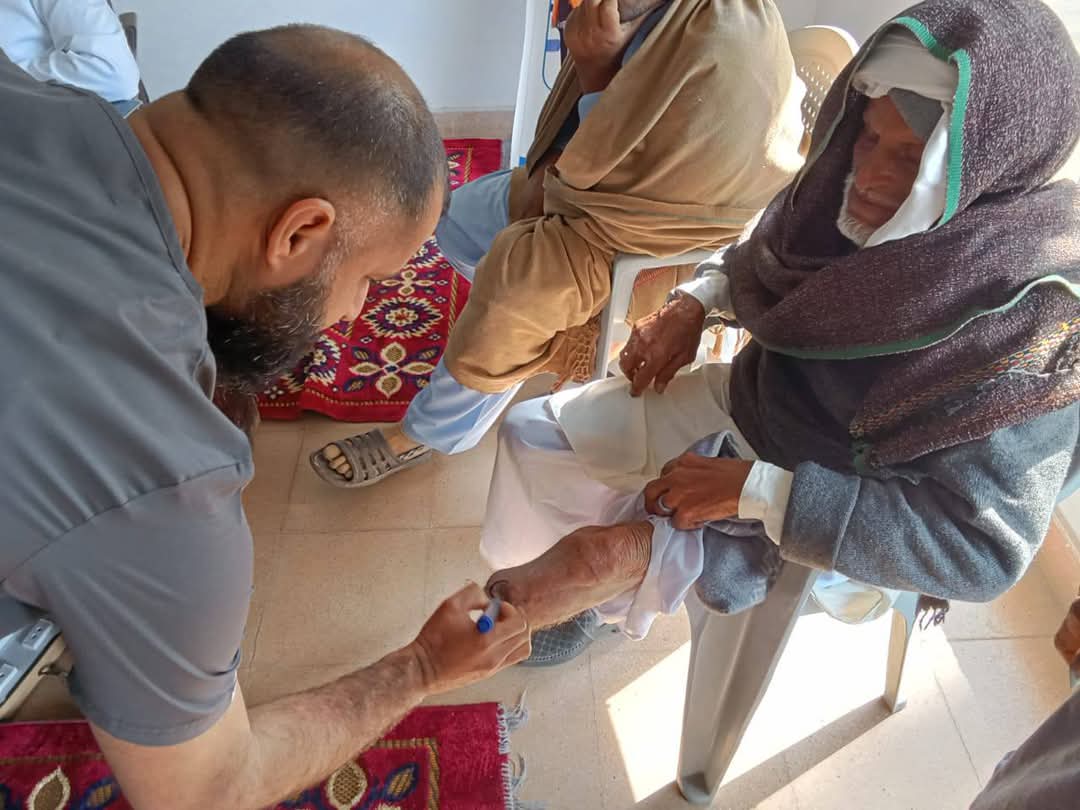
In the underserved districts of South Punjab, where chronic shortages in healthcare and rehabilitation services leave many differently-abled individuals marginalized, the Lodhran Pilot Project (LPP) has become a beacon of hope. Under the leadership of social activist Jahangir Khan Tareen, the initiative has significantly expanded its services beyond vision care to encompass life-changing prosthetic limb rehabilitation camps, empowering hundreds of people with limb loss to regain mobility, independence and dignity.
Traditionally known for its eye care outreach — with 45 free eye camps serving more than 73,000 patients — LPP’s prosthetics camps represent a crucial extension of its mission to support differently-abled communities. In its most recent phase, the organisation ran a 20-day free prosthetic limb camp at 12 MPR in Lodhran that brought together specialists, therapists, technicians and volunteers to provide holistic rehabilitation services to people with limb loss.
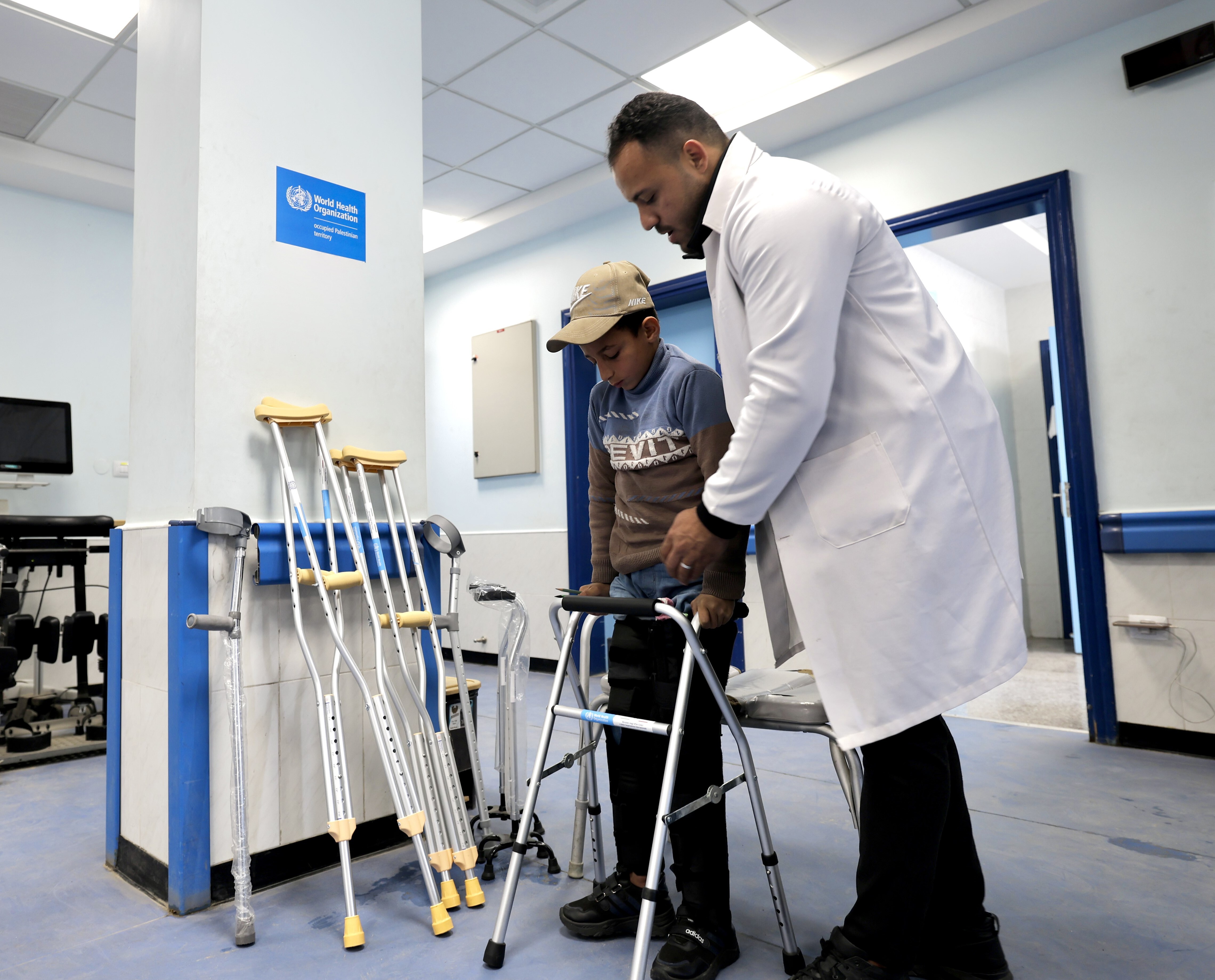
At the prosthetics camp, beneficiaries received customised prosthetic limbs, fittings, adjustments and rehabilitation support designed to enhance functional mobility. Beyond the clinical fittings, the camp offered gait training, balance therapy, and counselling to help individuals adapt to their devices — a process that is often overlooked in conventional medical camps but is vital for long-term success and confidence.
The impact on participants was immediate and deeply personal. Many attendees, who had previously struggled with mobility restrictions due to amputation, trauma or congenital limb deficiency, walked, stood and engaged in daily activities with newfound ability during the camp. Children who received prosthetics were also encouraged to participate in sports and recreational activities, promoting not only physical rehabilitation but also psychological well-being and social inclusion — especially important in rural settings where stigma and isolation are common.
During the final day of the camp, Jahangir Khan Tareen personally visited the facility, interacted with recipients and heard firsthand how the prosthetic services had transformed lives. His engagement underscored LPP’s emphasis on dignity-centered care — ensuring that those with limb loss are not merely recipients of aid, but active participants in rebuilding their mobility and self-esteem.
Experts note that such comprehensive prosthetic rehabilitation camps are rare in regions like South Punjab, where government healthcare infrastructure is often insufficient to meet the needs of people with disabilities. By bringing prosthetic technology, trained professionals and rehabilitation services directly into underserved communities, LPP is helping fill a critical gap — enabling individuals with limb loss to lead more independent, productive and socially connected lives.