 By
By
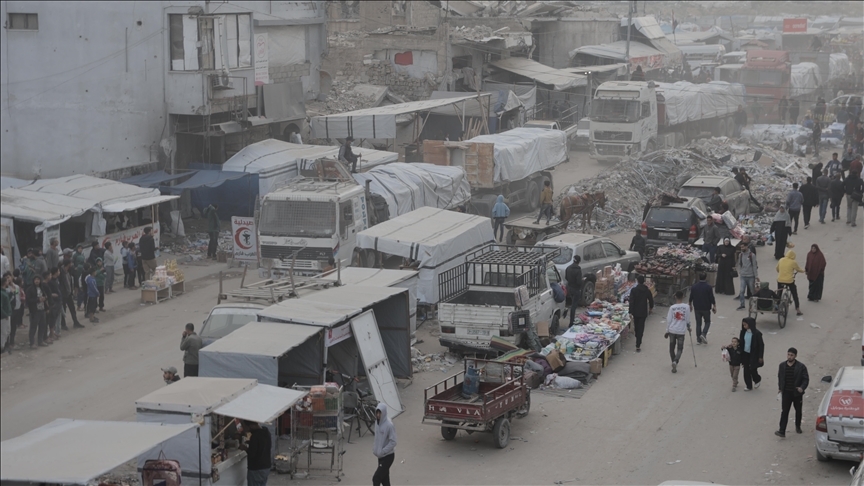
The United Nations has warned that more than 50 percent of planned humanitarian aid movements to the Gaza Strip were either denied or impeded by Israeli authorities in February, significantly undermining efforts to address a deepening crisis for civilians in the besieged territory.
Speaking at a press briefing, UN spokesperson Stephane Dujarric said that the restrictions have contributed to worsening shortages of food, medical supplies and other essential assistance across Gaza — where millions of people depend on external support for survival amid ongoing devastation.
According to the UN, around two-thirds of aid trucks arriving via the Egypt corridor were turned back during the month, and coordinated movements requiring clearance from Israeli authorities faced repeated barriers. Of the missions planned on certain days, only a minority were fully allowed to proceed.
Dujarric voiced particular concern about the humanitarian fallout of these restrictions, noting that food rations in Gaza were halved in February largely because supplies could not be delivered as planned, further aggravating already fragile living conditions.
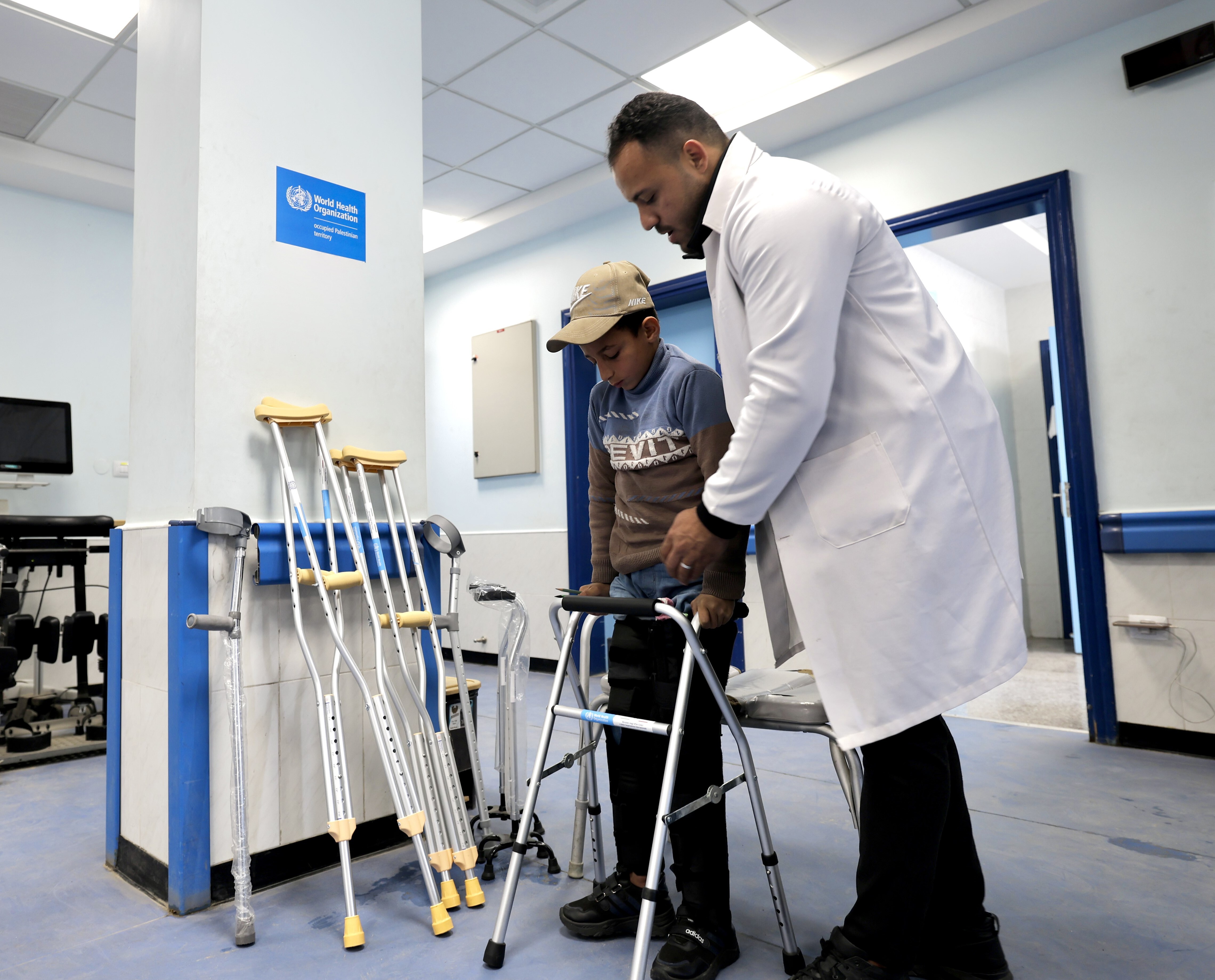
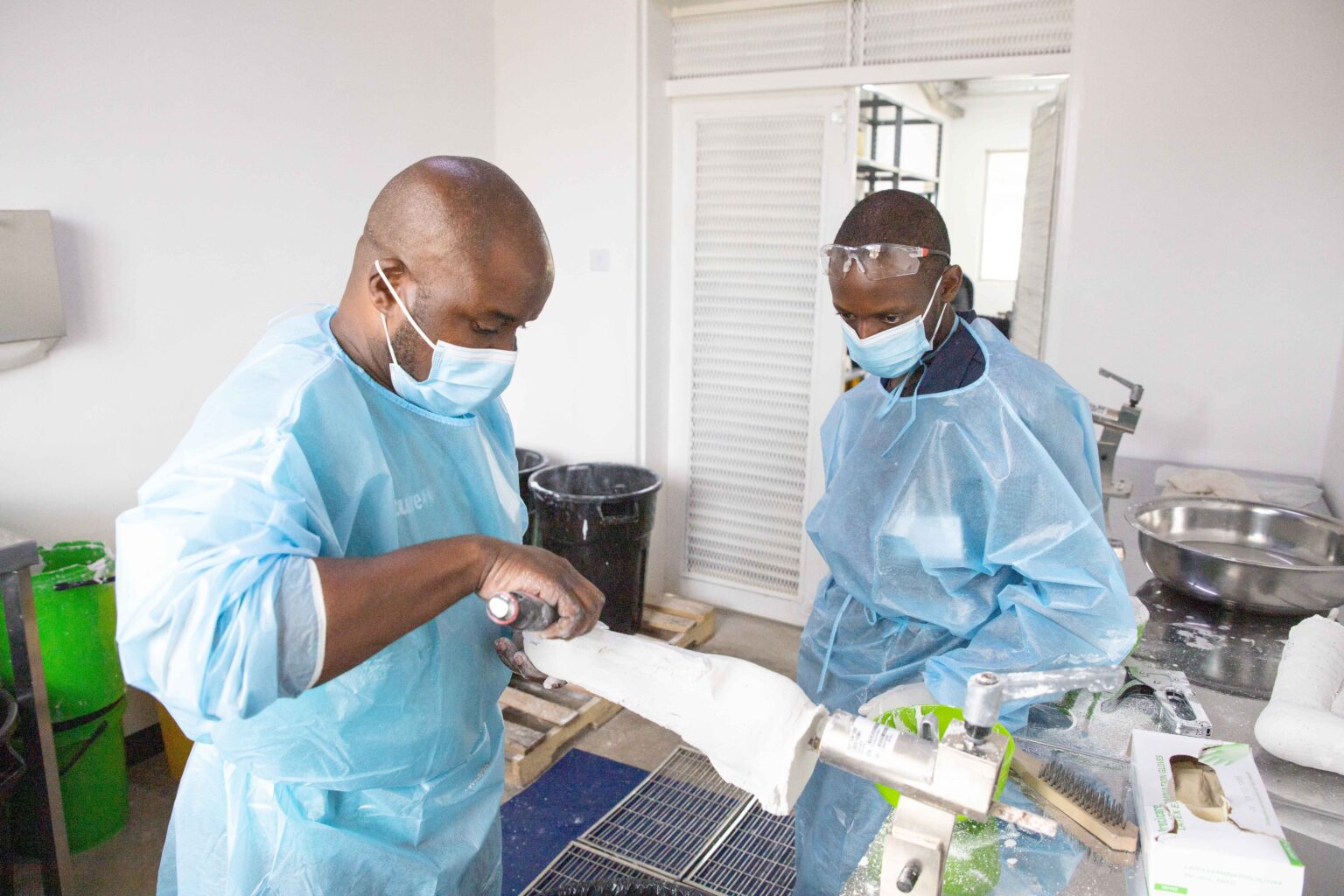
Beyond delays and denials at border crossings such as Kerem Shalom/Karem Abu Salem, the UN underscored broader challenges for vulnerable populations. Aid teams have reported ongoing difficulties in bringing in fuel, tents, baby kits, water and sanitation assistance, and have highlighted a lack of critical items such as prosthetics and other medical devices needed to treat people with war-related injuries.
The UN continues to engage with Israeli authorities in efforts to clarify and resolve operational constraints, but aid coordination on the ground remains fraught, according to Dujarric.
Humanitarian agencies say the restrictions come against the backdrop of a long-running blockade and repeated disruptions to aid flows, worsening food security, healthcare provision and basic services for civilians across Gaza.