 By
By
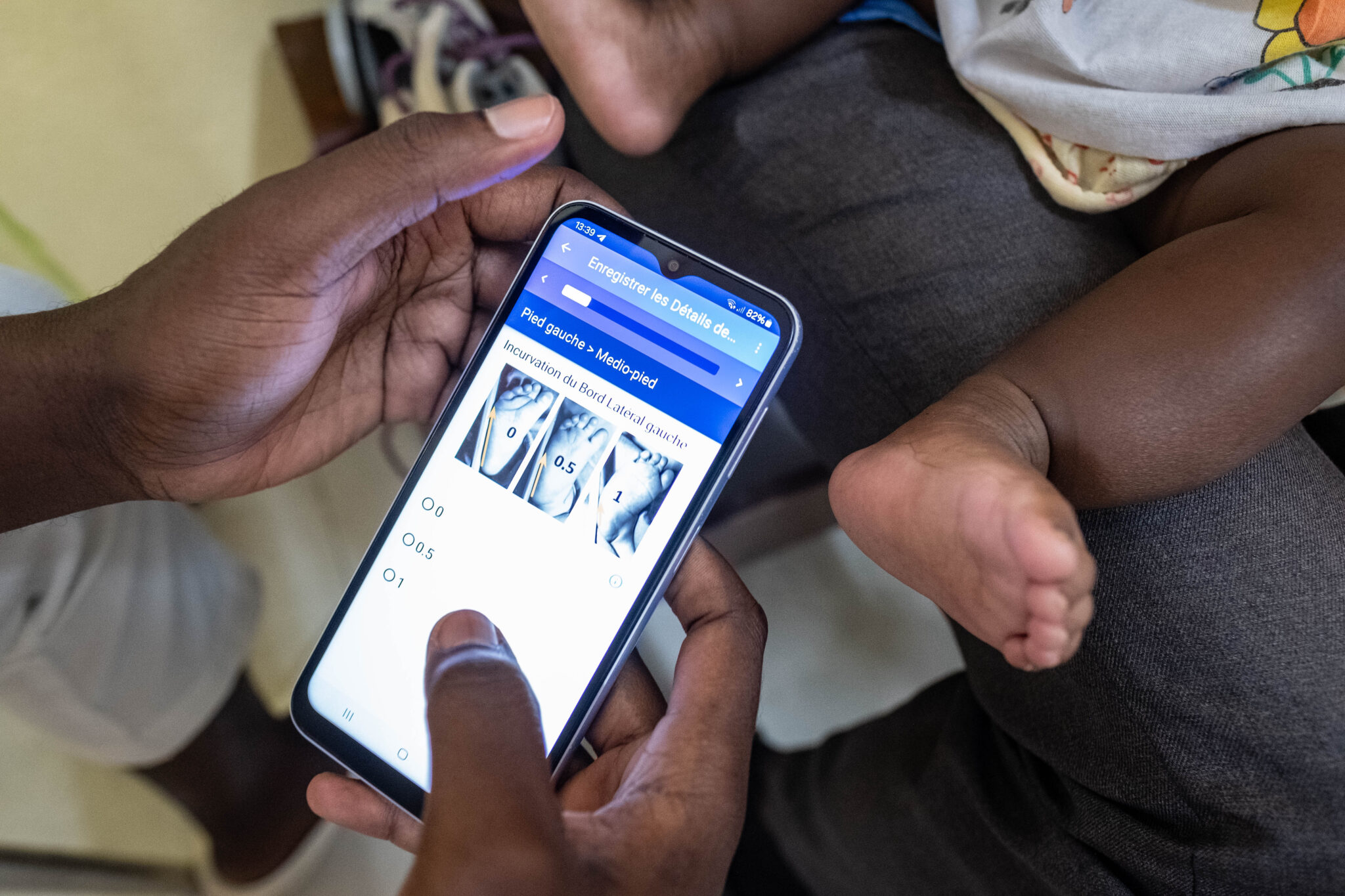
Delivering quality clubfoot care at global scale requires more than clinical expertise. It depends on reliable systems, timely data, efficient follow-up and partnerships that help children complete the full course of treatment.
MiracleFeet, working with Dimagi and Open Function, better known as OpenFn, has built a digital workflow to support clubfoot treatment across 38 countries. According to Dimagi, the system now supports more than 250,000 annual patient visits, using CommCare, OpenFn and Salesforce to help programme teams manage patient information more efficiently.
The challenge is familiar to many rehabilitation and orthopaedic services in low- and middle-income settings. Clubfoot is treatable, but the treatment pathway requires multiple visits, serial casting, possible tenotomy, bracing and long-term follow-up. If families miss appointments or drop out during the bracing phase, the risk of relapse increases. A strong digital system can help clinics identify those gaps earlier.
OpenFn reported that healthcare workers in more than 500 clinics across 38 countries record first visits, casts and follow-ups in a mobile application, often in places with unreliable internet. With approximately 258,000 patient visits a year, OpenFn said the data pipeline moves field-level information from CommCare into Salesforce without manual entry or reporting delays.
For frontline teams, this matters because clubfoot care is a process, not a single intervention. Each visit needs to be captured. Each missed appointment needs to be visible. Each child’s treatment journey needs to remain connected, even when services are delivered across different clinics, regions or partner organisations.
CommCare is designed for frontline data collection and service delivery, including offline use, case tracking and real-time reporting. Dimagi describes the platform as a tool that allows teams to capture data reliably in last-mile settings, manage longitudinal cases and access dashboards that show progress and outcomes.
For MiracleFeet, this digital approach has been developing for several years. Dimagi previously reported that MiracleFeet commissioned the CommCare-based Clubfoot Administration System, known as CAST, to track treatment and programme data, monitor quality and support service expansion through local partners. The system was designed to sync with Salesforce through OpenFn and provide analytics and reporting for clubfoot programmes.
The practical value is significant. Automated workflows reduce the administrative burden on clinical and programme teams. Instead of relying on spreadsheets, delayed reports or fragmented paper records, providers can capture data at the point of care. Programme managers can then see where children are missing visits, where treatment quality indicators may need attention, and where additional training or follow-up may be required.
This is especially important for clubfoot services because the clinical outcome depends heavily on continuity. The Ponseti method can correct most cases when delivered properly, but successful treatment depends on adherence to casting and bracing protocols. Digital reminders, patient tracking and real-time programme visibility can help reduce avoidable dropouts and support better long-term results.
For the wider orthotics, prosthetics and rehabilitation community, the MiracleFeet model offers an important lesson. Scaling care is not only about increasing the number of clinics or devices. It is about building the infrastructure that allows services to remain consistent, measurable and patient-centred across many locations.
In the IMEA region, where many rehabilitation services face workforce shortages, travel barriers, limited follow-up systems and uneven access to specialist care, this type of digital workflow has broader relevance. Similar approaches could support orthotic bracing programmes, prosthetic follow-up, spinal orthosis care, diabetic foot services and assistive technology provision.
The partnership between MiracleFeet, Dimagi and OpenFn shows how digital health infrastructure can strengthen rehabilitation delivery when it is built around real clinical workflows. For children born with clubfoot, the result is not just better data. It is a stronger chance of completing treatment, walking without pain and participating fully in family, school and community life.
- MiracleFeet
- Dimagi
- OpenFn
- CommCare by Dimagi
- Dimagi LinkedIn post on MiracleFeet, OpenFn and CommCare
- OpenFn LinkedIn post on the MiracleFeet data workflow
- Dimagi case study: MiracleFeet and the Clubfoot Administration System
- WHO rehabilitation fact sheet
- International Society for Prosthetics and Orthotics