 By
By
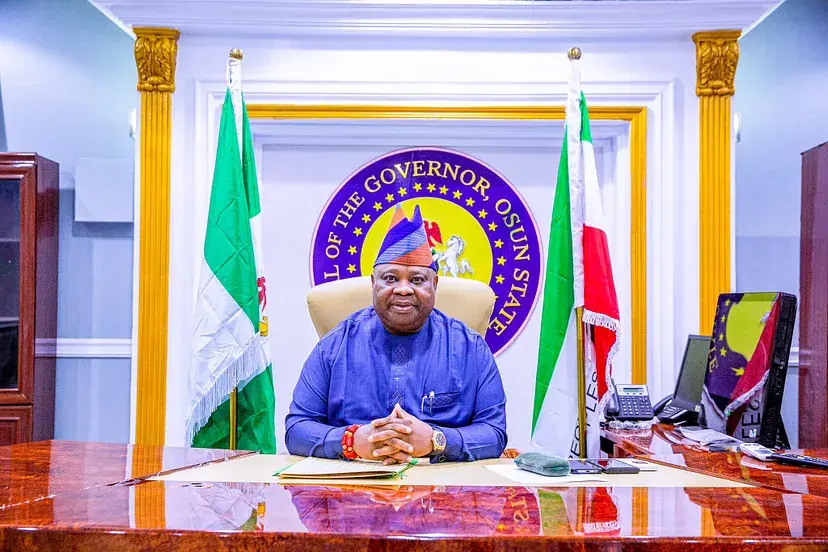
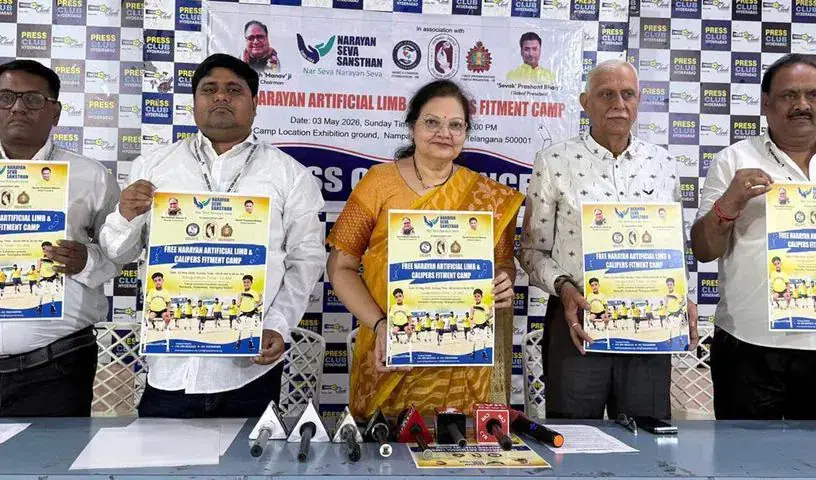
The Osun State Government has announced a large-scale humanitarian programme to provide free artificial limbs for 1,000 amputees across the state, marking a significant disability inclusion and mobility support initiative in south-west Nigeria.
The programme was announced by Kamil Aransi, Special Adviser on Special Needs to Governor Ademola Adeleke, and confirmed through both the state government and Nigerian media reports. The first phase will begin with a Measurement and Assessment Camp from May 7 to May 9, 2026, at the SOB Conference and Events Centre, starting at 7:30 a.m. daily.
According to the state government, the assessment stage will help determine the most appropriate prosthetic limb for each beneficiary. Prospective beneficiaries have been asked to register and schedule appointments by calling or texting 08038044318 or 08137991959, with officials noting that walk-in access will not be permitted.
Aransi said the intervention is intended to restore mobility and dignity for amputees in Osun State. He also linked the programme to the Osun State Discrimination Against Persons with Disabilities (Prohibition) Law, 2024, signed by Governor Adeleke on June 10, 2024, which guarantees rights and benefits for persons with disabilities, including access to free health insurance.
The government said fittings will be carried out by accredited professionals in the following month, with follow-up support to ensure that the prosthetic limbs function effectively for users. This follow-up element is important: in prosthetics, the clinical outcome depends not only on device provision, but also on fitting quality, alignment, comfort, gait training, maintenance, and continued review.
For Nigeria’s prosthetics and orthotics sector, the Osun initiative highlights the growing importance of state-level disability inclusion programmes that move beyond short-term donations and toward structured access to assistive technology. A programme targeting 1,000 amputees can have major social and economic value if it is supported by proper assessment, professional fitting, rehabilitation, user education and long-term service pathways.
The announcement also raises a broader policy point for the IMEA region: free prosthetic limb provision is most effective when integrated into a wider rehabilitation system. Amputees often require physiotherapy, stump care, socket adjustments, replacement parts, psychosocial support, and access to trained prosthetists and orthotists. Without these elements, even well-intentioned artificial limb programmes can face challenges with comfort, abandonment or limited functional use.
Osun’s programme could therefore become an important model if it combines large-scale outreach with professional prosthetic standards and sustained follow-up. For beneficiaries, the potential impact is clear: improved mobility, greater independence, and a stronger chance of returning to education, work, family life and community participation.