 By
By

Access to assistive technology is increasingly being recognised as a fundamental requirement for health, independence, education, employment and social inclusion across Africa.
For millions of people who require wheelchairs, prosthetic and orthotic devices, hearing aids, communication aids, mobility products, vision support and other assistive technologies, access remains limited. In many African settings, devices are either unavailable, unaffordable, poorly adapted to local realities, or difficult to maintain through existing service systems.
Against this background, OADCPH has announced AT Expo Africa 2027, described as the first international forum in Africa dedicated to innovation, markets, production and access to assistive technologies. The inaugural edition is scheduled to take place from 3 to 5 June 2027.
A Forum for Innovation, Production and Access
AT Expo Africa 2027 is positioned as more than a conventional exhibition. Its purpose is to create a platform where assistive technology stakeholders can address the full access chain: product design, local manufacturing, distribution, financing, service delivery, repair, training and long-term use.
This focus is important because assistive technology access is not only about importing devices. Across Africa, sustainable access depends on products that are affordable, clinically appropriate, culturally acceptable, locally serviceable and supported by trained personnel.
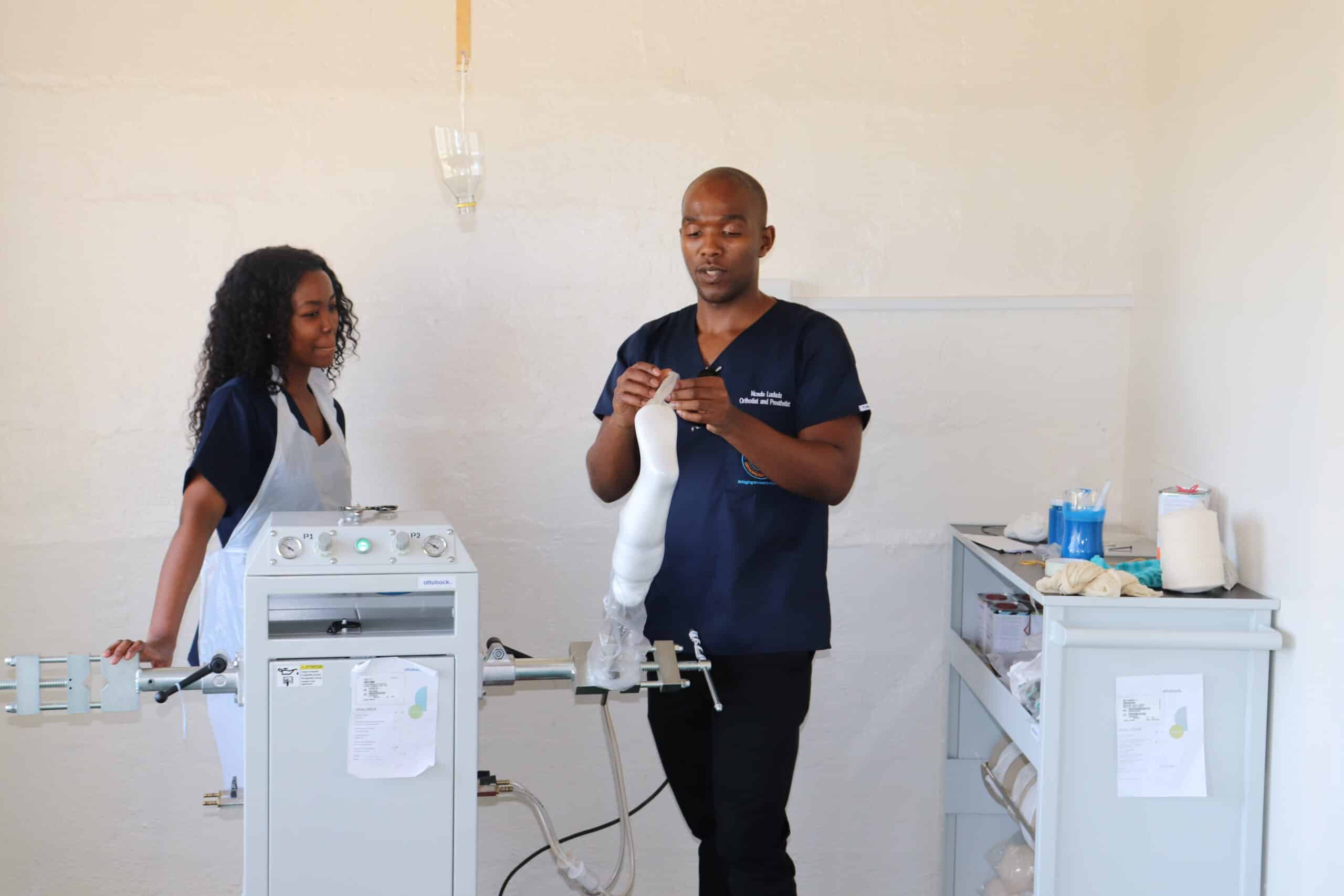
For the prosthetics and orthotics sector, the event could provide an important opportunity to connect rehabilitation professionals, device manufacturers, policymakers, NGOs, investors and local entrepreneurs around practical solutions for African service contexts.
Why Assistive Technology Access Matters
Assistive technologies can transform daily life for people with disabilities, older people, people recovering from injury, children with developmental conditions and people living with chronic health conditions. They can improve mobility, communication, participation, independence and dignity.
However, access gaps remain significant. ATscale has highlighted that assistive technology access in low- and middle-income countries, particularly in Africa, continues to be constrained by fragmented regulation, inconsistent quality standards, complex market entry, supply chain costs and unpredictable taxation policies.
These barriers affect both users and providers. Patients may wait too long for essential devices, while service providers may struggle with procurement, affordability, maintenance, spare parts and product suitability. For local manufacturers and distributors, unclear market pathways can limit investment and scale.
Building an African Assistive Technology Market
The significance of AT Expo Africa 2027 lies in its market-building ambition. A stronger African assistive technology ecosystem will require more than awareness. It will need practical collaboration between governments, rehabilitation services, industry, donors, training institutions and user organisations.
The event can help advance discussions around:
- Local and regional production of assistive products
- Better procurement and financing models
- Quality standards adapted to real service environments
- Training for clinicians, technicians and community-based providers
- Distribution and repair networks
- Stronger links between innovation and public health systems
- Inclusion of users in product design and service planning
For IMEA CPO readers, this is particularly relevant because assistive technology development in Africa is closely connected to the future of prosthetics, orthotics, mobility services, rehabilitation engineering and digital fabrication.
Inclusion Requires Systems, Not Only Devices
The message behind AT Expo Africa 2027 is clear: inclusion cannot be achieved if assistive technologies remain out of reach for the people who need them.
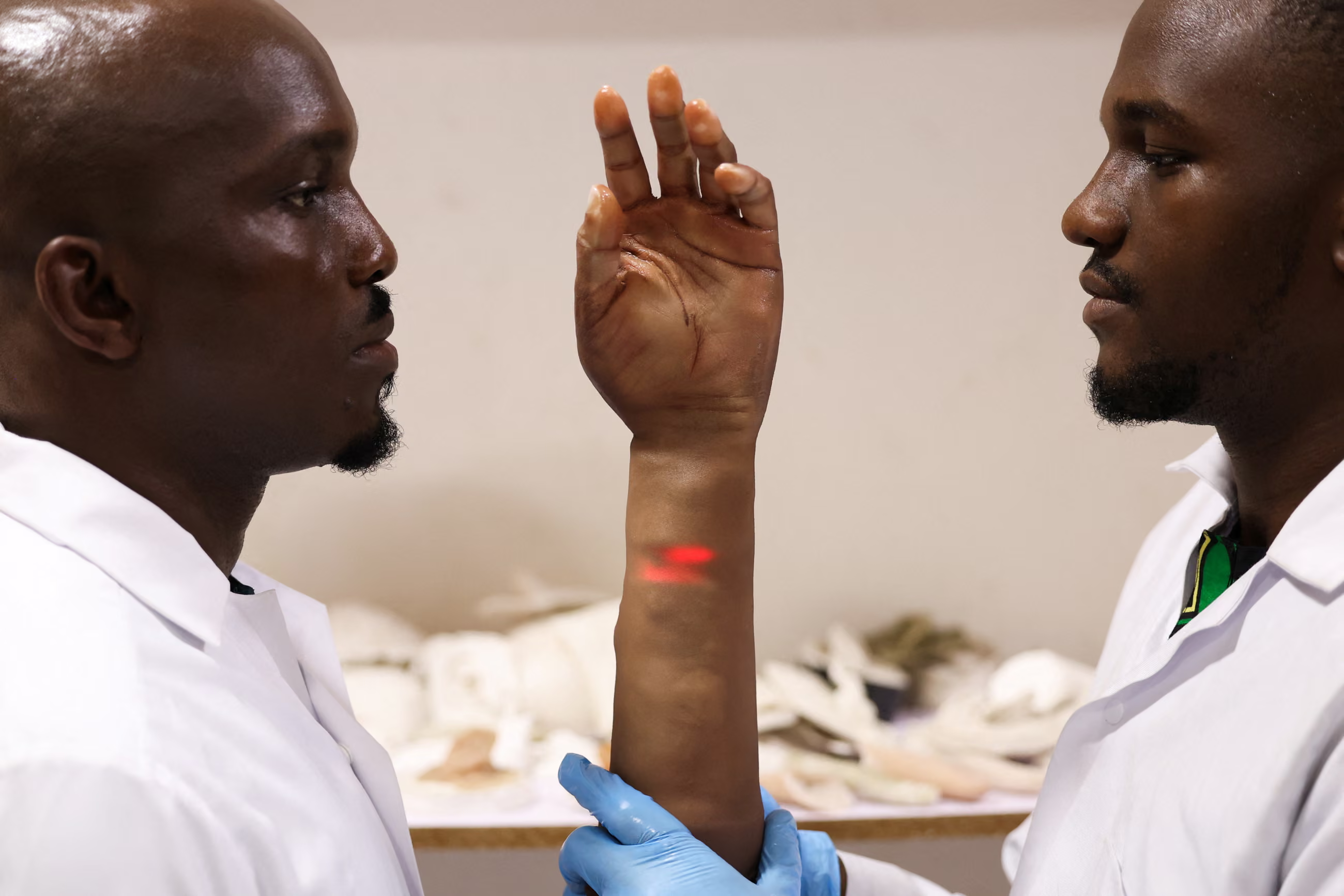
A prosthetic limb, orthosis, wheelchair or communication device is not simply a product. It is part of a wider system involving assessment, fitting, training, follow-up, repair, replacement and long-term support. Without these systems, even well-intentioned donations or innovations may fail to deliver lasting impact.
By bringing together stakeholders around innovation, production and access, AT Expo Africa 2027 could become an important milestone for assistive technology development on the continent.
The challenge now is to turn the event into a practical platform for action: one that supports African-led solutions, strengthens local capacity and helps remove the barriers that continue to limit participation in education, employment and community life.